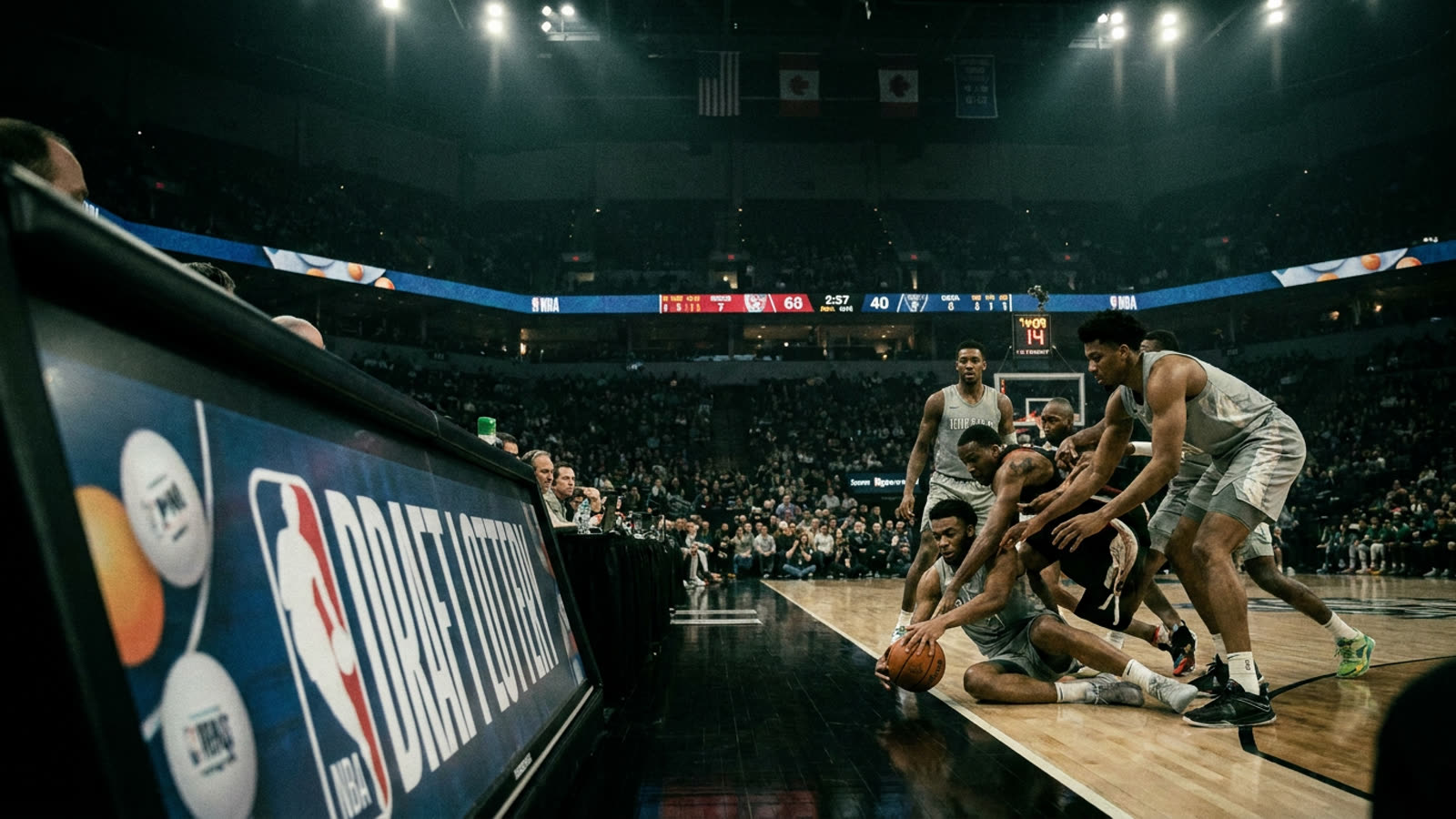
The NBA's tanking problem has never been about bad teams—it's been about bad incentives. For decades, the league has tried to thread an impossible needle: give struggling franchises a path to elite talent while discouraging them from treating March and April like extended garbage time. The new "3-2-1" proposal represents the most creative attempt yet to square that circle, and it deserves serious consideration.
The mechanics are elegant in their simplicity. Under the proposed system, teams would earn bonus lottery entries based on their performance in the final stretch of the regular season: three extra ping-pong balls for each win in the last ten games, two for the preceding ten, and one for the ten before that. A team that goes on a late-season tear could meaningfully improve its lottery odds without sacrificing the fundamental principle that worse records should yield better draft positions.
Why previous reforms failed
The 2019 lottery overhaul flattened the odds at the top, giving the three worst teams identical 14% chances at the first pick. The theory was sound—reduce the marginal benefit of being absolutely terrible versus merely bad. In practice, it created perverse new incentives. Teams now tank to reach the bottom three, then coast, knowing additional losses provide no advantage. The "Process" era Sixers would have loved this system.
The 3-2-1 proposal attacks the problem from the opposite direction. Instead of reducing the reward for losing, it creates a reward for winning. A team sitting at the fourth-worst record in late April suddenly has reason to compete: those bonus balls could leapfrog them past teams that mailed in their final month.
The Spurs exception
San Antonio's current playoff run offers a useful counterpoint to the tanking discourse. The Spurs built their roster through a combination of one transcendent lottery pick, shrewd trades, and player development—a reminder that championship construction rarely follows a single template. Victor Wembanyama arrived via the lottery, but the supporting cast came from everywhere: mid-round finds, reclamation projects, veterans seeking rings.
The 3-2-1 system wouldn't have changed San Antonio's trajectory. What it might change is the experience of fans in rebuilding markets, who currently endure months of unwatchable basketball as front offices optimize for loss columns rather than competitive games.
Our take
No lottery reform will eliminate tanking entirely, because the fundamental math of professional sports remains unchanged: elite prospects are scarce, and acquiring them through the draft is cheaper than free agency. But the 3-2-1 proposal at least introduces friction into the tank calculus. A general manager would have to weigh the certainty of a few extra losses against the possibility that a hot streak could improve lottery positioning. That uncertainty alone might be enough to keep more games meaningful deeper into the season. The NBA should try it.