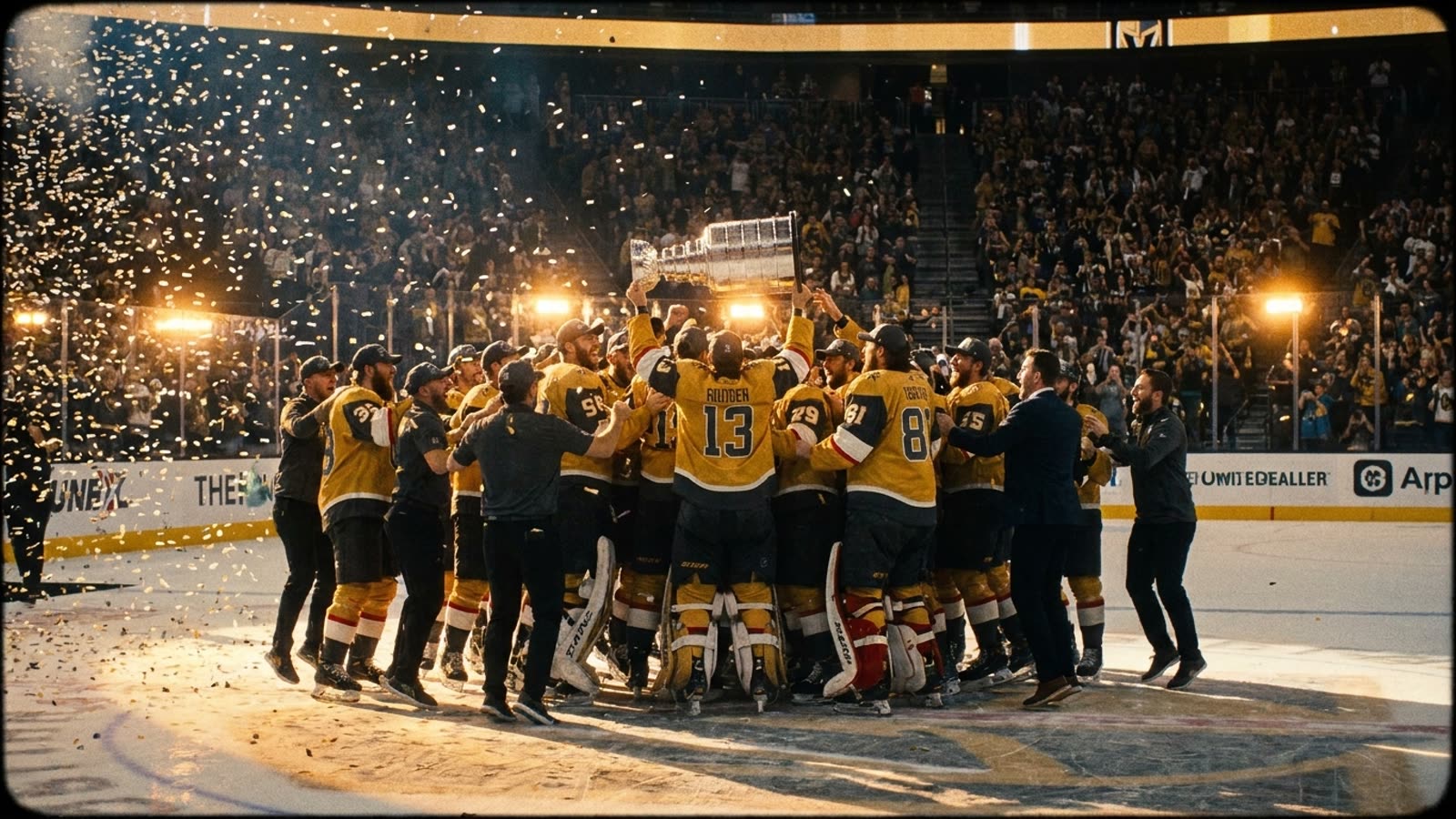
The Vegas Golden Knights needed only four games to eliminate the Colorado Avalanche and book their return to the Stanley Cup Final, a result that felt inevitable by the second period of Game 1 and merely awaited confirmation. This is what hockey's newest franchise does now: it identifies prey, suffocates it, and moves on without ceremony.
The sweep marks Vegas's third Final appearance since 2023, a concentration of success that no expansion team in any major North American sport has approached. The Golden Knights won the Cup in 2023, lost the Final in 2024, missed the conference final in 2025, and have now bulldozed their way back with a postseason run that has seen them lose exactly two games across three rounds.
The Avalanche were supposed to be different
Colorado entered the Western Conference Final as the betting favorite, armed with Nathan MacKinnon's Hart Trophy-caliber season and Cale Makar's generational skating. The Avalanche had dismantled Dallas in six games and appeared to have solved the defensive fragility that plagued their regular season. None of it mattered.
Vegas held Colorado to fewer than three goals in every game of the series. The Golden Knights' defensive structure—a blend of active sticks, lane denial, and goaltender Adin Hill's continued postseason excellence—turned MacKinnon into a perimeter player and forced Makar to defend more than attack. Colorado's vaunted transition game, the engine of their 2022 championship, never found traction.
The model that shouldn't work keeps working
Vegas operates without a consensus superstar. Jack Eichel is excellent but not transcendent. The roster is expensive but not extravagant by cap standards. What the Golden Knights possess is depth that regenerates annually and a coaching staff under Bruce Cassidy that extracts maximum defensive effort from players who arrived in Vegas with reputations for offensive flair.
The franchise's front office, led by Kelly McCrimmon, has shown a willingness to trade popular players before decline and to bet on reclamation projects that other teams have abandoned. It is a model built on unsentimental roster churn, and it continues to produce teams that peak in May and June.
Our take
Vegas is the league's most boring juggernaut, which is precisely why they keep winning. There are no soap operas, no generational talents demanding the spotlight, no dramatic Game 7 escapes that make for documentary fodder. The Golden Knights simply execute a system, trust their depth, and grind opponents into submission. The Eastern Conference finalist—whether Florida or the Rangers—will arrive at the Final with more star power and more narrative momentum. Vegas will arrive with a sweep under their belt and zero interest in being the underdog. That combination has proven lethal before.