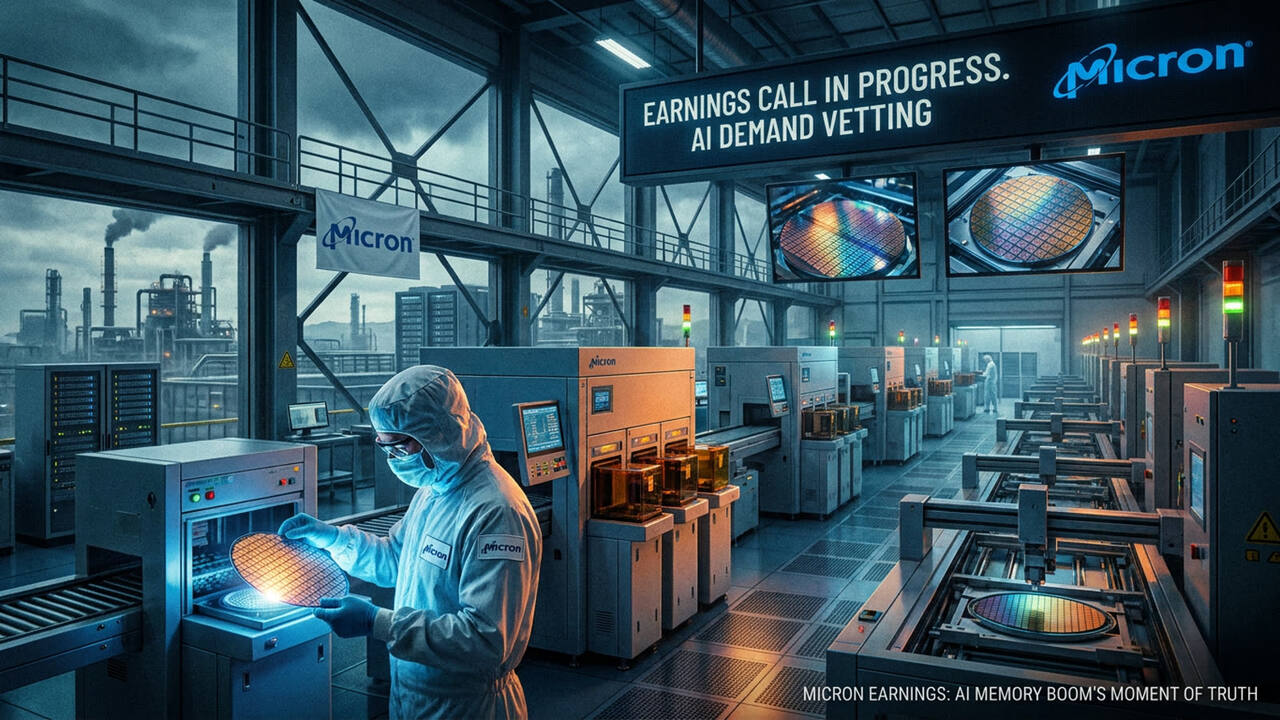
The market's love affair with technology stocks hit a speed bump on Tuesday, as the Nasdaq Composite and S&P 500 both closed lower on the back of widespread selling in the sector that has carried equity markets for the better part of two years. The pullback was not catastrophic — no single catastrophe triggered it — but that is precisely what makes it interesting. This was not panic selling. This was repricing.
The Nasdaq fell more than 1%, while the S&P 500 shed roughly half a percent, with technology and communication services leading the decline. Semiconductor stocks, which have been the market's darlings amid the artificial intelligence infrastructure buildout, were particularly weak. The Philadelphia Semiconductor Index dropped sharply, extending a pattern of volatility that has characterized the chip sector in recent weeks.
The rotation thesis gains traction
For months, strategists have warned that the market's concentration in a handful of mega-cap technology names posed risks. The top seven or eight stocks by market capitalization have accounted for an outsized share of the S&P 500's gains, leaving the index vulnerable to any stumble in the sector. Tuesday's action suggests that some investors are finally taking profits and looking elsewhere.
Defensive sectors — utilities, consumer staples, healthcare — held up better than the broader market, a classic sign of risk-off positioning. Bond yields edged lower as well, with the 10-year Treasury yield dipping modestly, indicating that some capital is flowing back into fixed income. This is not yet a flight to safety, but it is a gentle pivot.
Earnings season looms
The timing matters. Second-quarter earnings season is approaching, and expectations for technology companies remain elevated. Analysts have been revising estimates higher for months, betting that AI-related spending will continue to drive revenue and margin expansion. But elevated expectations create elevated risk. Any hint of softening demand, margin compression, or capex pullback could trigger sharper declines.
The semiconductor space is particularly exposed. After a historic run driven by data center demand, investors are now scrutinizing whether the AI infrastructure buildout can sustain its current pace or whether the industry is approaching a digestion period. Recent earnings from memory chipmakers have been mixed, and Tuesday's broader tech weakness suggests the market is not taking continued outperformance for granted.
Our take
This is not the beginning of a bear market, but it may be the end of the easy money phase of the AI trade. For two years, buying technology stocks has been the path of least resistance — and the path to the best returns. That trade is not broken, but it is maturing. The market is starting to differentiate between companies with durable AI-driven revenue and those riding the narrative. That is healthy, even if it feels uncomfortable for portfolios that have grown accustomed to relentless gains. The smart money is not panicking; it is simply getting more selective.