The Republican Party's candidate-selection process has completed its transformation from smoke-filled rooms to podcast studios.
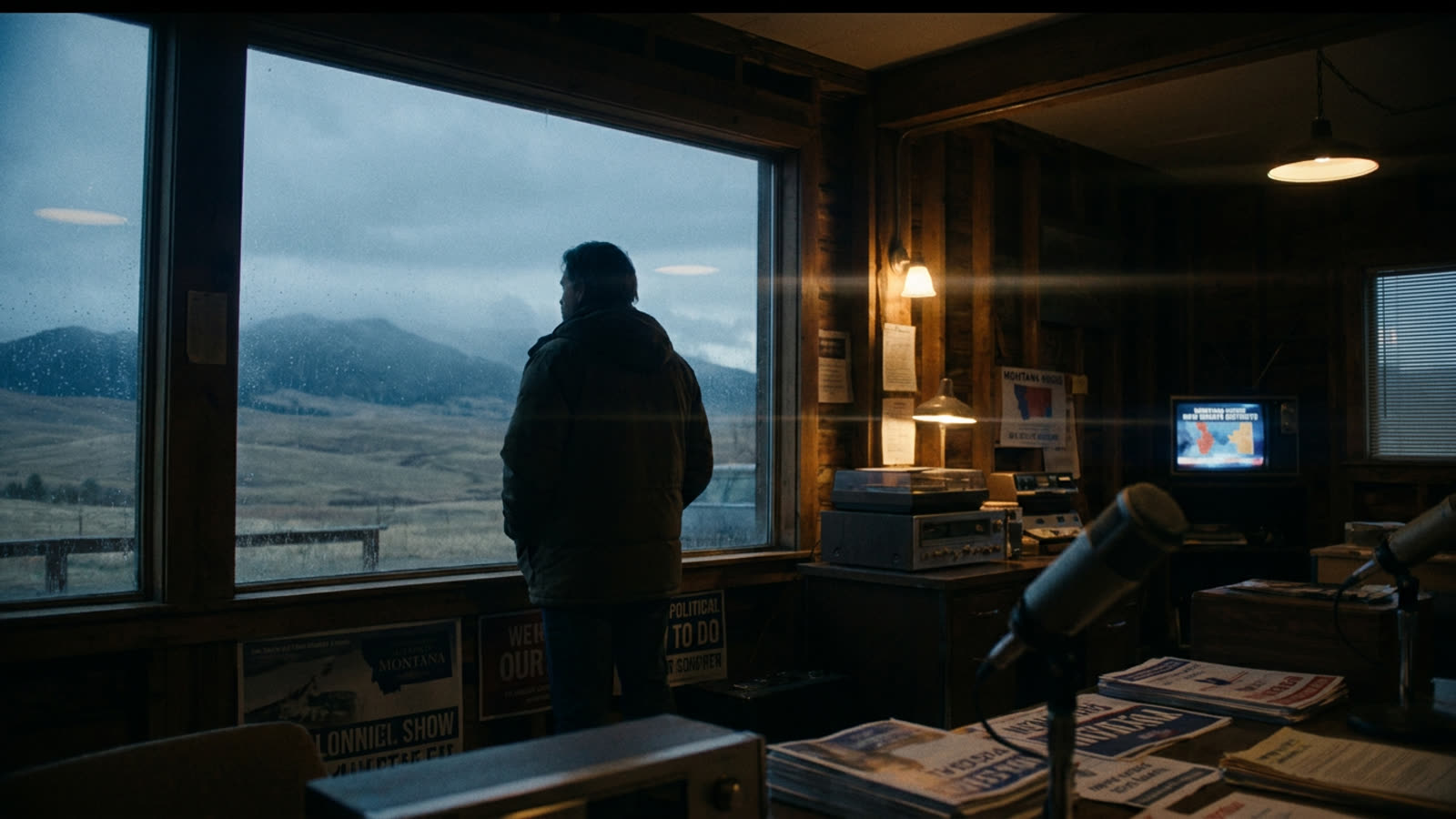
Montana's Republican House primary concluded Tuesday with a Trump-endorsed radio host defeating a field that included more conventionally credentialed candidates. The victory is unremarkable in isolation—endorsements from former presidents tend to matter—but it crystallizes a structural shift in how the GOP identifies and elevates talent. Broadcasting experience now outranks legislative experience, governing competence, or even fundraising prowess in the invisible primary that precedes the actual one.
The credential inflation problem
Two decades ago, a successful Republican House candidate typically emerged from state legislatures, county commissions, or the business community. The path was legible: demonstrate competence in a smaller arena, build relationships with local party infrastructure, then graduate to federal office. That pipeline hasn't disappeared entirely, but it's been supplemented—and increasingly supplanted—by an alternative track that runs through conservative media.
The logic is straightforward. In a primary electorate that consumes hours of partisan media daily, name recognition built through radio or television appearances translates directly into votes. A candidate who has spent years articulating conservative grievances to a loyal audience arrives at the campaign with a pre-built coalition. Traditional retail politics becomes optional.
What Trump's endorsement machinery reveals
The former president's involvement in Montana follows his established pattern: identify candidates who mirror his communication style and media fluency, then deploy the endorsement as a sorting mechanism for voters who trust his judgment. The strategy works because it aligns with how Republican primary voters actually make decisions. They're not studying policy papers; they're listening to people who sound like the voices they already trust.
This creates a feedback loop. Media personalities see a viable path to office, which encourages more of them to run, which normalizes the phenomenon, which makes future media-to-politics transitions even easier. The Montana result isn't an anomaly to be explained away. It's the system working as designed.
Our take
There's nothing inherently disqualifying about a background in broadcasting—Ronald Reagan did reasonably well after his entertainment career. But the Montana primary illustrates that the GOP has institutionalized a preference for performance over preparation. The party's bench now consists largely of people who are very good at talking about governance and largely untested at actually doing it. That's a bet on charisma over competence, and it's one the party keeps doubling down on.