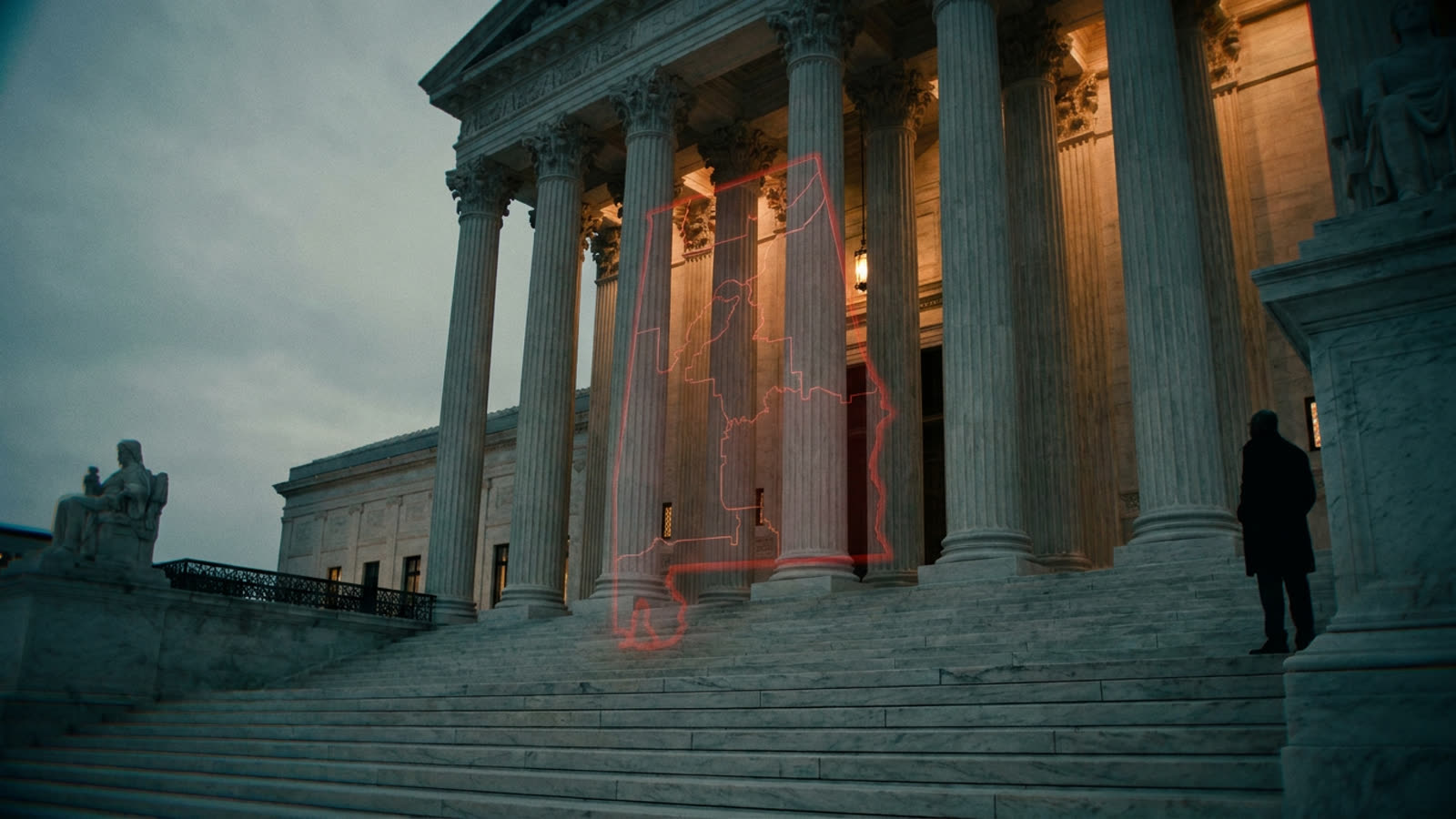
The Supreme Court's decision to let Alabama deploy its Republican-drawn congressional map for the 2026 midterms is not a procedural footnote—it is the clearest signal yet that the conservative supermajority views racial gerrymandering challenges as obstacles to be managed rather than constitutional injuries to be remedied.
The map in question eliminates one of two districts where Black voters had achieved meaningful representation, collapsing the seat currently held by a Black Democrat into a configuration that heavily favors Republicans. Lower federal courts had found the map likely violated Section 2 of the Voting Rights Act, the same provision the Court ostensibly upheld in its 2023 Allen v. Milligan ruling against an earlier Alabama scheme. Yet when the state asked the justices to stay those rulings pending appeal, the Court obliged—ensuring that whatever the merits of the underlying case, the election itself will proceed under lines that dilute Black voting power.
The shadow-docket pattern
This is now the third consecutive election cycle in which Alabama has benefited from Supreme Court intervention on its redistricting disputes. In 2022, the Court allowed a racially gerrymandered map to stand for that year's elections while litigation continued. After Milligan appeared to vindicate plaintiffs, the state legislature responded with maps that critics said accomplished the same dilution through slightly different means. The lower courts agreed. The Supreme Court has now, again, let the state run out the clock.
The pattern suggests that emergency-docket relief has become a de facto merits ruling for redistricting cases: states can draw aggressive maps, litigate slowly, and rely on the Court to freeze any adverse judgment until after ballots are cast. The remedy, if it ever arrives, comes too late to matter.
What it means for Section 2
The Voting Rights Act's Section 2 prohibits voting practices that result in the denial or abridgement of the right to vote on account of race. After Shelby County gutted preclearance in 2013, Section 2 litigation became the primary vehicle for challenging discriminatory maps. Milligan was supposed to confirm that this avenue remained viable.
But viability on paper means little if plaintiffs cannot obtain timely relief. Alabama's strategy—delay, appeal, seek stays, repeat—has now been validated at the highest level. Other Republican-controlled states with pending racial gerrymandering challenges are watching closely. Louisiana, Georgia, and South Carolina all have litigation in various stages; each now has a template for how to keep contested maps in place through multiple election cycles.
Our take
The Court did not formally overrule Milligan. It did something more insidious: it rendered the decision toothless by ensuring that successful plaintiffs cannot translate legal victories into electoral outcomes. For Black voters in Alabama's Seventh District, the distinction between losing on the merits and winning too late is academic. The seat will flip, the map will entrench, and by the time any final ruling arrives, the political landscape will have shifted to make remediation even harder. This is how voting rights die—not with a bang, but with a stay order issued in June.