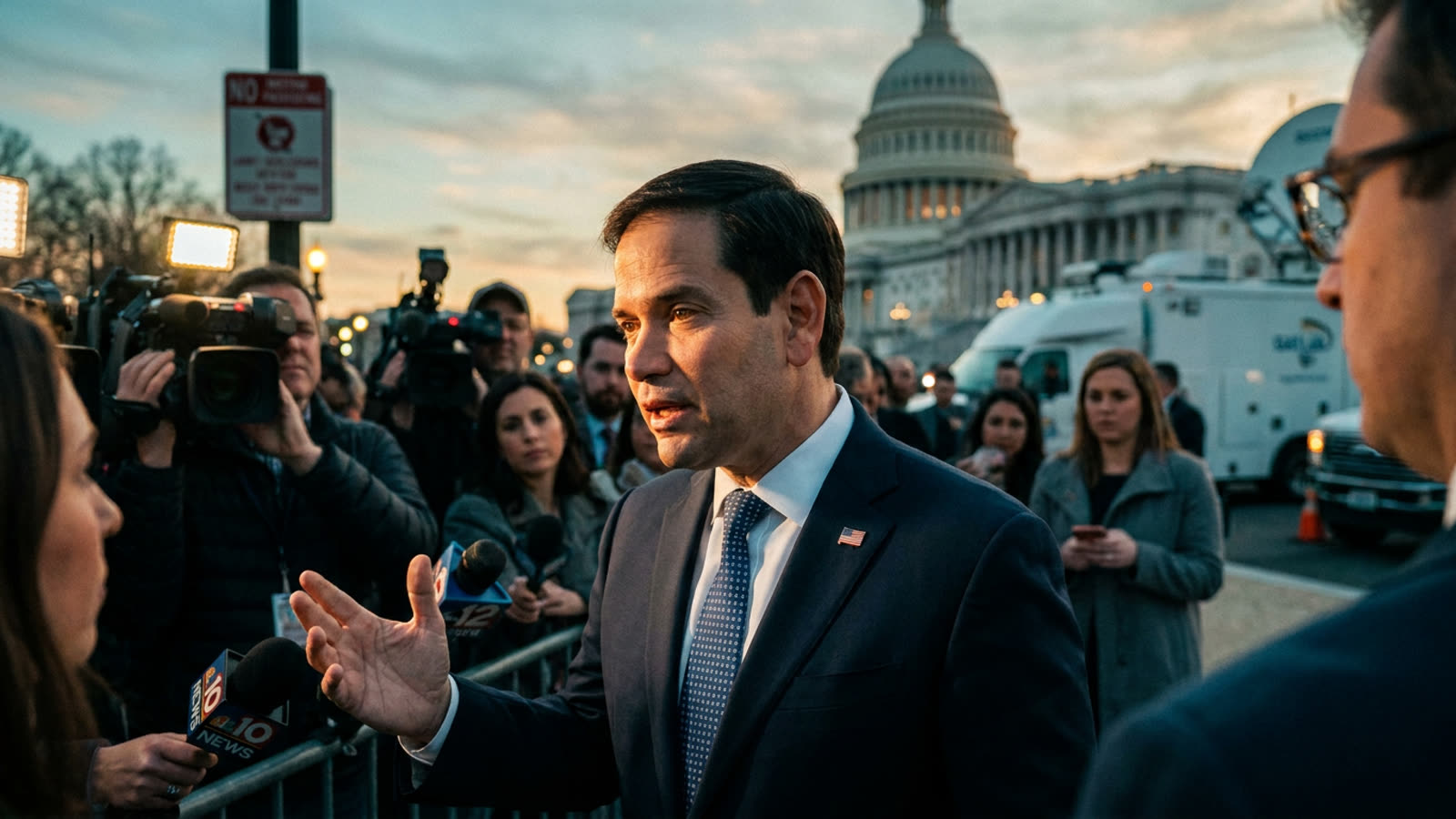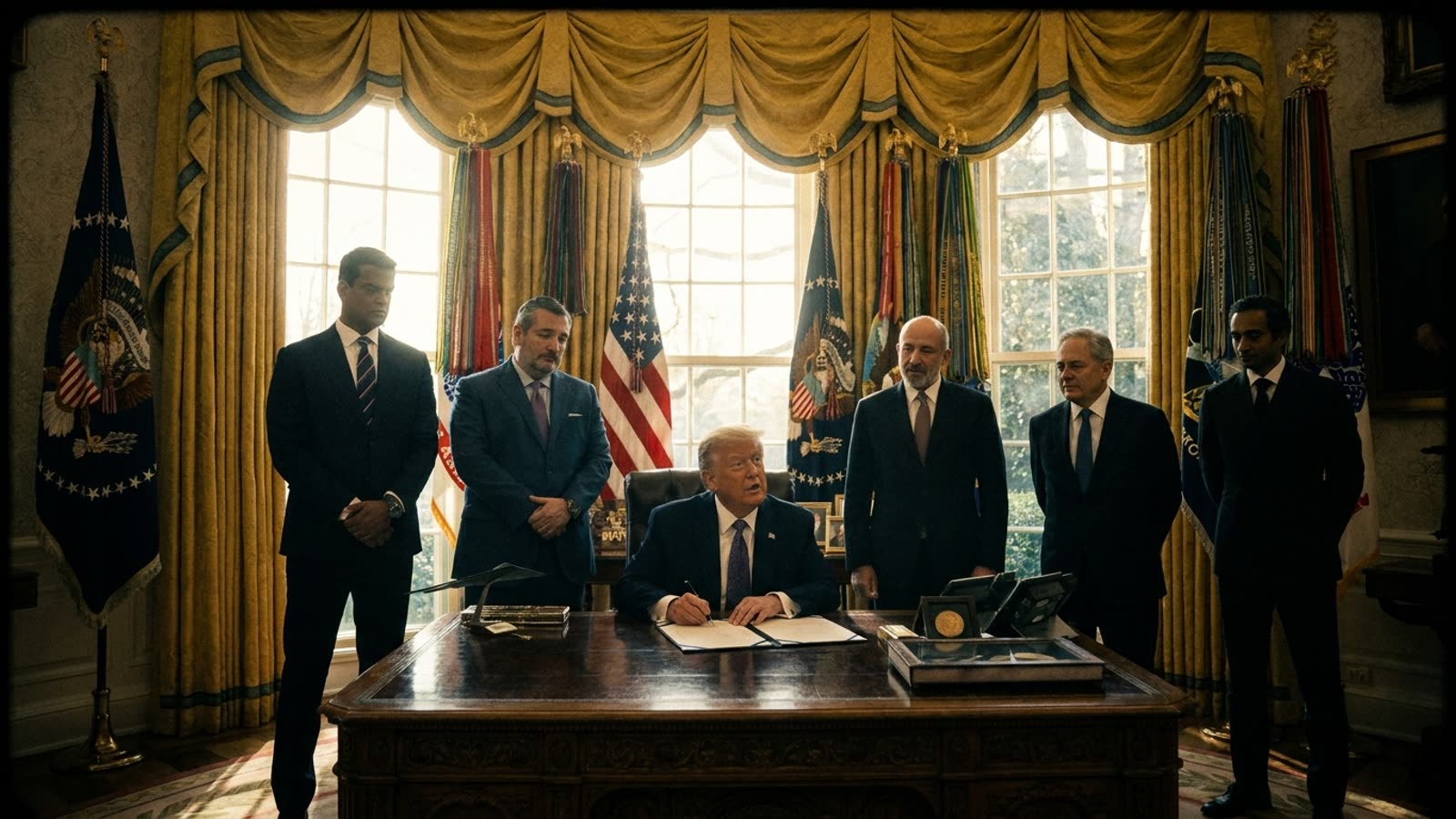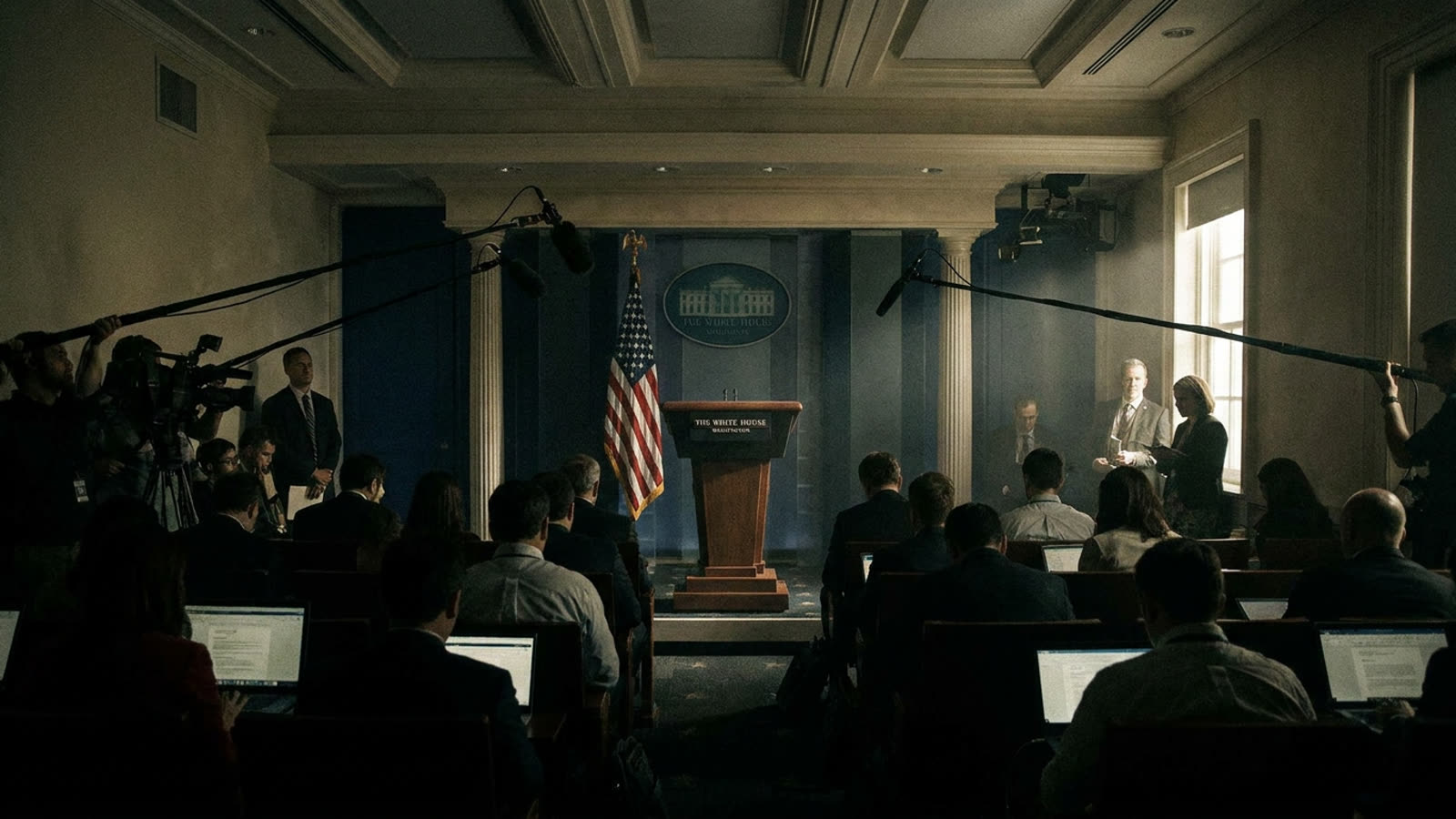
The Trump administration's sudden decision to drop its demand for a $1.8 billion "anti-weaponization" fund has thrown Republican immigration efforts into disarray, forcing congressional leaders to hastily retool a bill that was already limping toward an uncertain fate.
The fund, which would have compensated individuals the administration deemed victims of federal overreach, had become a poison pill for the broader immigration package. Moderate Republicans balked at what they saw as a slush fund for presidential allies, while Democrats dismissed it as institutionalized grievance politics. When the White House quietly signaled it would no longer insist on the provision, it removed an obstacle—but also exposed the fragility of the coalition Trump had assembled.
The art of the non-deal
What the administration is selling as pragmatic flexibility looks, from Capitol Hill, more like a forced retreat. Republican leadership had spent weeks defending the fund as essential to the President's mandate, only to watch the White House abandon it without extracting any concessions in return. The move has emboldened Democrats, who now sense weakness, and frustrated hardline Republicans who feel their leverage has been squandered.
The immigration bill itself remains a patchwork of enforcement measures, border funding, and asylum restrictions that satisfies no faction completely. Without the fund as a rallying point for the base, GOP whips must now find new reasons for skeptical members to vote yes.
The clock problem
Congress faces a narrow window before the August recess, and the legislative calendar is already crowded with must-pass spending measures. Republican leaders are attempting to fast-track a revised immigration bill, but the procedural hurdles are significant. The Senate, where the GOP holds a slim majority, will likely demand substantial changes to any House-passed version, setting up a conference negotiation that could drag into autumn.
Meanwhile, the border situation that animated Trump's campaign shows no signs of abating, giving Democrats little incentive to hand the President a legislative victory before the midterms.
Our take
The White House wants credit for dealmaking flexibility, but abandoning your own demand without getting anything in return is not negotiation—it's capitulation dressed up in talking points. Republicans now face the worst of both worlds: a base that wanted the fund and moderates who never trusted it. The immigration bill may yet pass in some form, but this episode has revealed that Trump's congressional coalition is held together more by fear of his displeasure than by genuine policy alignment. That is not a foundation for ambitious legislation.