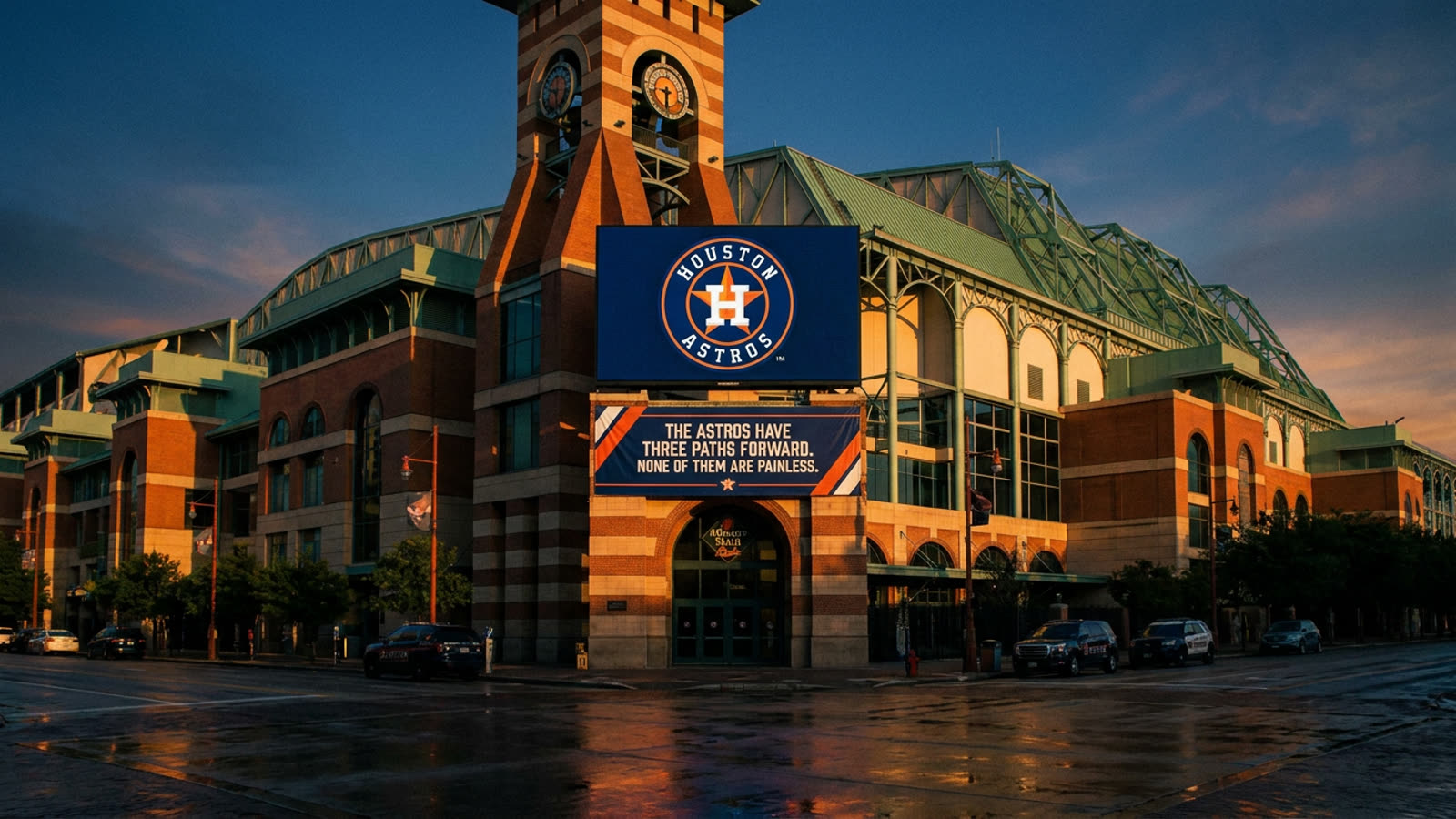
The trade deadline is still weeks away, but the contours of July's market are already visible — and they tell us more about baseball's structural anxieties than any individual swap ever could.
Buster Olney's latest assessment of the deadline landscape identifies the forces that will shape every negotiation: a league-wide pitching crisis that has teams willing to overpay for even mediocre arms, a handful of sellers who recognize their leverage and intend to exploit it, and a buyer's market so crowded that front offices are already gaming out scenarios where they lose bidding wars and must pivot to secondary targets. The deadline, in other words, is less about which star changes uniforms and more about which organizations correctly read the room.
The pitching premium is real and unsustainable
Every contender believes it is one starter away from October relevance. This collective delusion — or perhaps collective clarity — has created a seller's market for anyone with a pulse and a sub-4.00 ERA. Teams that would have been buyers in previous years are now considering whether to flip rental arms for prospect packages that seem irrationally rich. The math is simple: when fifteen teams want the same seven pitchers, prices detach from value. The organizations that win July are often those disciplined enough to lose the marquee auctions and find value in the second tier.
The seller pool is smaller than it looks
On paper, a dozen teams should be selling. In practice, perhaps five will commit fully. Ownership groups increasingly resist the optics of teardowns, preferring the slow bleed of competitive mediocrity to the short-term embarrassment of a fire sale. This means the teams that do sell — and sell aggressively — will extract premiums that distort the market for years. The deadline has become a test of organizational honesty: can you admit what you are?
Prospect hoarding meets prospect inflation
Farm systems have never been more valuable, and front offices have never been more reluctant to deplete them. The result is a strange paralysis where buyers want impact players but refuse to pay impact prices, and sellers want elite prospects but settle for lottery tickets. The deals that get done will be the ones where both sides convince themselves they won — a useful fiction that keeps the market moving.
Our take
The modern trade deadline rewards patience, information asymmetry, and the willingness to be boring. The teams that overpay for rental pitchers in July rarely play in November. The teams that hold their prospects and add at the margins often do. Baseball's summer theater is entertaining, but the winners are usually the ones who understand that the deadline is a trap as often as it is an opportunity.