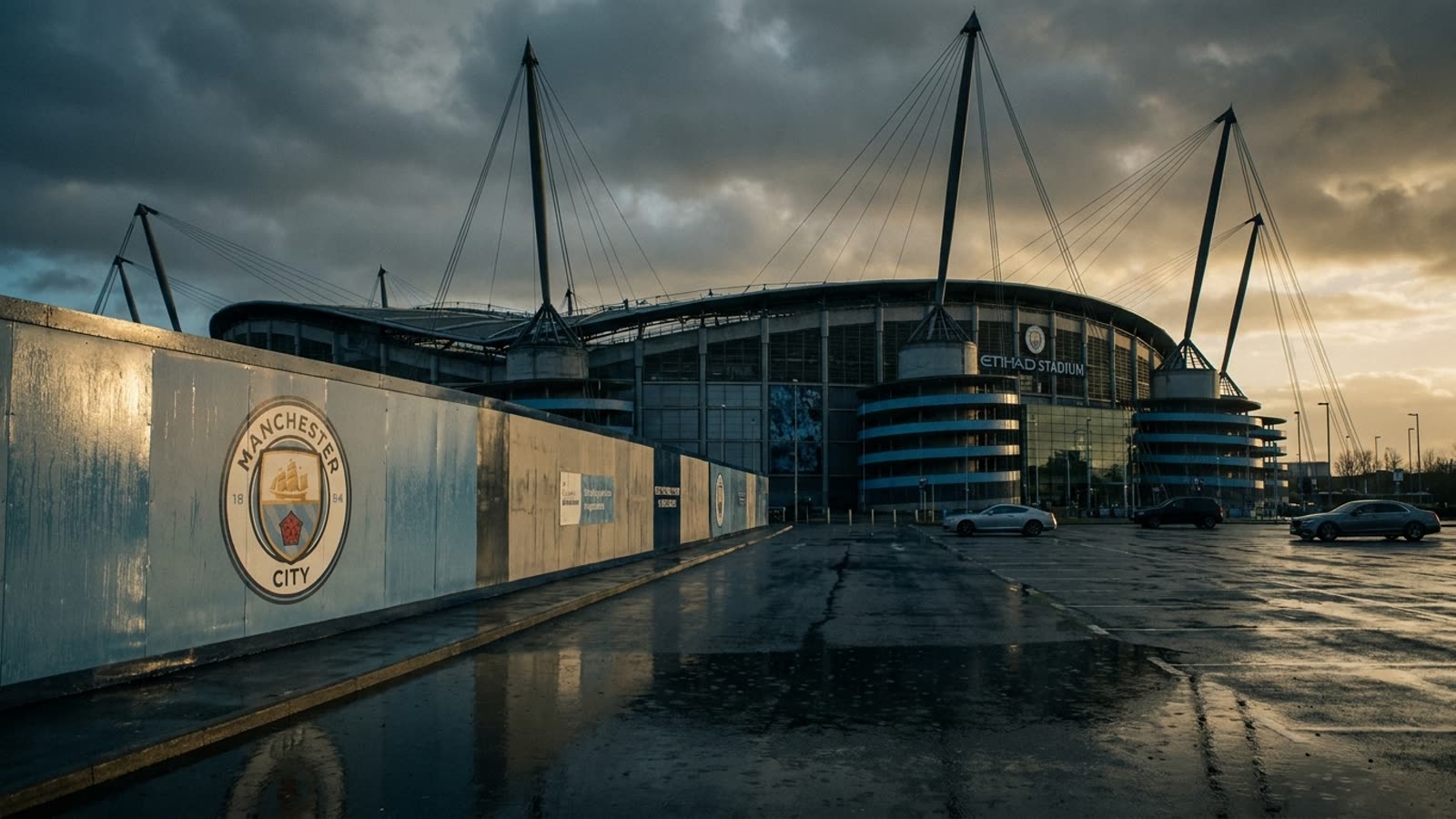
The most successful manager in English football history is still technically employed, yet Manchester City are already living in the aftermath. Pep Guardiola's impending exit—whether this summer or next—has transformed from speculation into accepted fact, and the club's response reveals an organization less prepared for succession than its decade of dominance would suggest.
The timing could hardly be worse. City face more than a hundred charges related to alleged financial fair play violations, with a verdict expected to reshape the club's competitive standing regardless of outcome. An aging squad built around players who thrived in Guardiola's system—Kevin De Bruyne, Bernardo Silva, Kyle Walker—offers diminishing returns. And the managerial market, once flush with Guardiola disciples eager to inherit his machinery, has thinned considerably.
The succession problem
City's hierarchy has long operated under the assumption that Guardiola's methods could be institutionalized, that the infrastructure he built would outlast his tenure. This theory remains untested. Every previous Guardiola departure—from Barcelona, from Bayern Munich—resulted in immediate regression, not because his successors were incompetent but because his system demands his presence. The pressing triggers, the positional rotations, the in-game adjustments that appear intuitive are actually the product of obsessive daily refinement.
The candidates to replace him—Xabi Alonso chief among them—have learned from Guardiola's playbook but lack his decade-long relationship with City's squad and front office. Whoever inherits the job inherits a team built for someone else's brain.
The financial overhang
The FFP proceedings cast a longer shadow than City publicly acknowledge. Even acquittal would not erase the reputational damage or the scrutiny that will follow every future transfer. A guilty verdict could mean points deductions, transfer bans, or worse. Guardiola has navigated this uncertainty with characteristic deflection, but his departure would leave a successor managing both a sporting transition and an existential legal threat simultaneously.
Our take
Dynasties end. This is not a revelation. What distinguishes City's situation is the convergence of factors—managerial transition, legal jeopardy, squad aging—arriving simultaneously rather than sequentially. The Premier League's other powers have spent years waiting for this moment; they should not assume the collapse will be swift or complete. City's resources remain vast. But the club that redefined English football for a generation is entering its most vulnerable period since the Abu Dhabi takeover, and no amount of sovereign wealth can purchase what Guardiola provided: certainty.