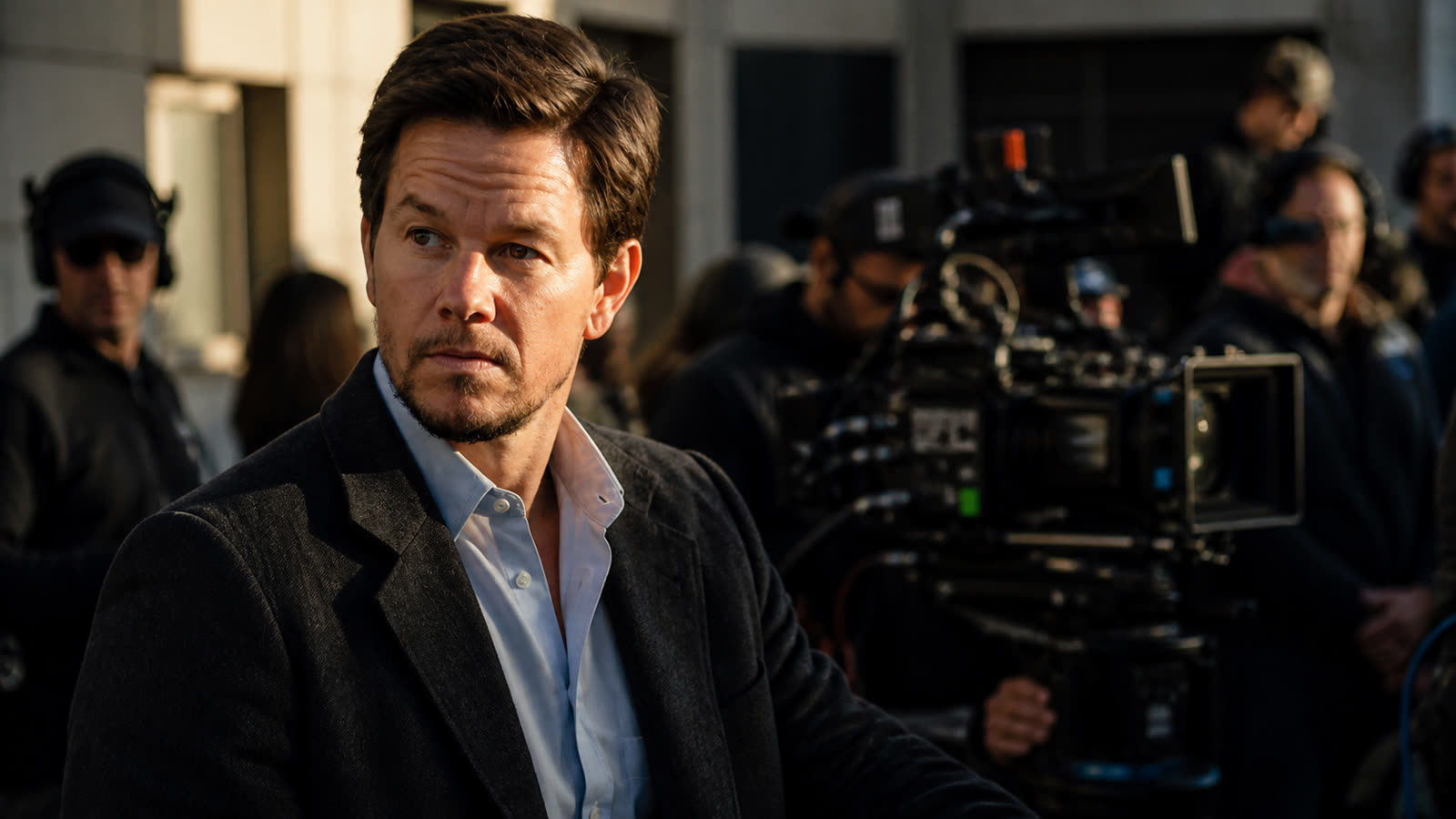
Mark Wahlberg has never been accused of excessive introspection, which makes his latest pronouncement on artificial intelligence so revealing. The actor and angel investor told interviewers this week that he's "OK" with AI in filmmaking, provided it's used "to enhance what you're doing"—and that he'd be open to an AI clone carrying on his legacy after he's gone.
This is not a man wrestling with existential dread. This is a man who sees the future and has decided to own stock in it.
The economics of digital immortality
Wahlberg's comfort with AI cloning makes perfect sense once you follow the money. A-list actors with recognizable faces and decades of footage are sitting on goldmines of training data. The question isn't whether their likenesses will be synthesized—it's who controls the licensing.
The 2023 SAG-AFTRA strike secured some protections around AI replication, requiring consent and compensation for digital doubles. But those agreements assumed actors would want to limit their synthetic selves. Wahlberg is signaling something different: that for stars of sufficient wattage, AI isn't a threat to be contained but an asset to be monetized. His estate could theoretically license "Mark Wahlberg" for action films in perpetuity, long after the biological version has retired to his Wahlburgers empire.
This is the logical endpoint of celebrity as brand. Why stop earning when you stop breathing?
The two-tier future
What Wahlberg glosses over—what stars of his caliber can afford to gloss over—is that AI's impact on Hollywood isn't evenly distributed. Background actors, stunt performers, voice artists, and mid-tier character actors face genuine displacement. They lack the leverage to negotiate favorable AI terms and the brand recognition to make their synthetic selves valuable.
When Wahlberg says AI should "enhance what you're doing," he means enhance what he's doing. For the grip who gets replaced by a virtual set, or the voice actor whose tone gets cloned from three sessions of archived work, enhancement looks rather different.
The industry is quietly bifurcating: a small tier of talent wealthy enough to treat AI as an investment opportunity, and a much larger tier for whom it represents straightforward job destruction. Wahlberg's breezy acceptance isn't wrong, exactly—it's just a view from the penthouse.
Our take
There's something almost admirable about Wahlberg's refusal to perform anxiety he doesn't feel. Most celebrities hedge their AI statements with careful caveats about "protecting workers" while quietly exploring the same deals. Wahlberg just says what the economics already dictate: if you're famous enough, AI is a wealth-generation tool, not an adversary. The honesty is refreshing. The implications are bleak. Hollywood has always been a place where the gap between stars and everyone else was vast; AI is simply making that gap architectural, baking it into the infrastructure of production itself. Wahlberg will be fine. His clone will be fine. The question is whether anyone else will be.