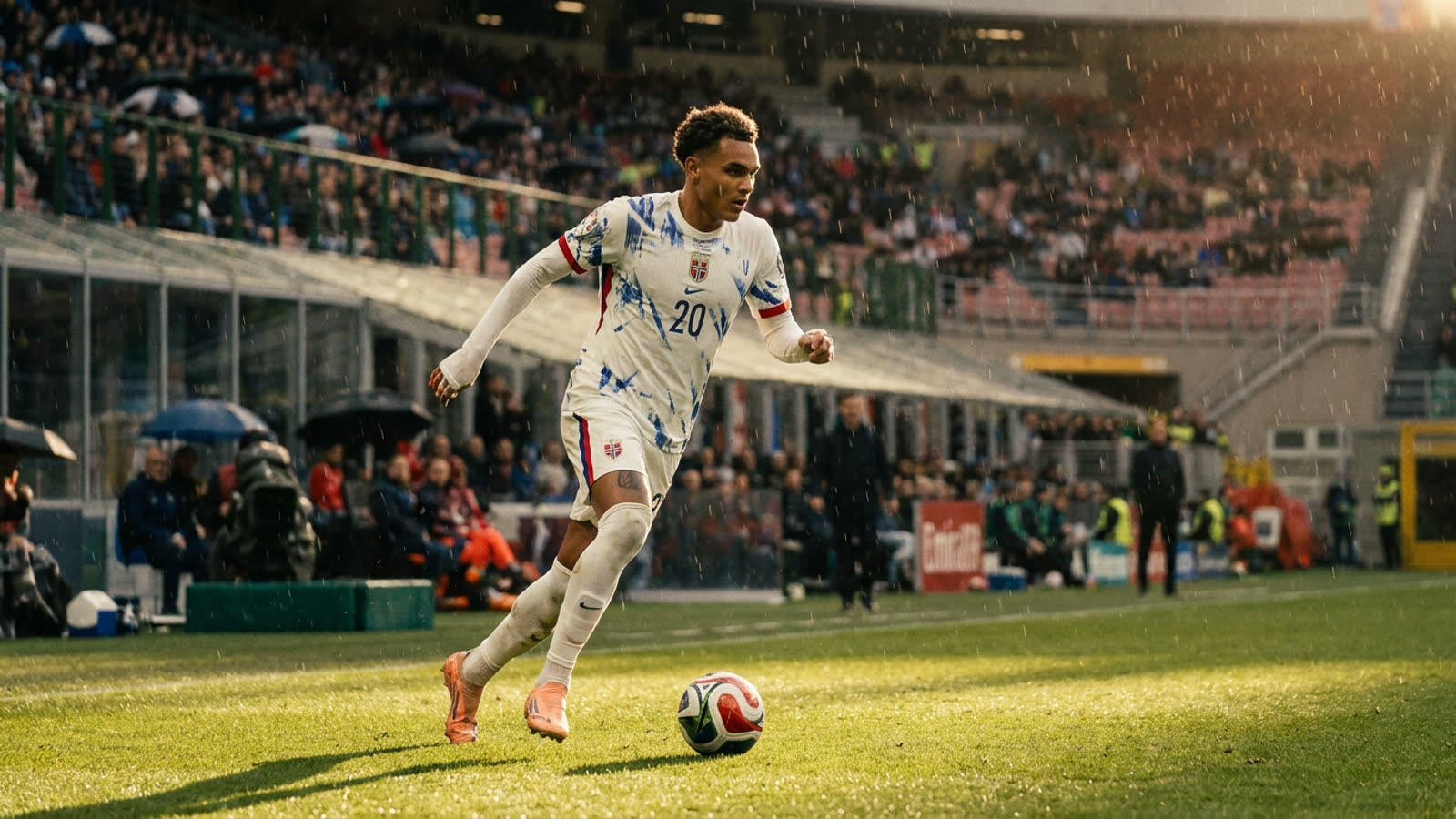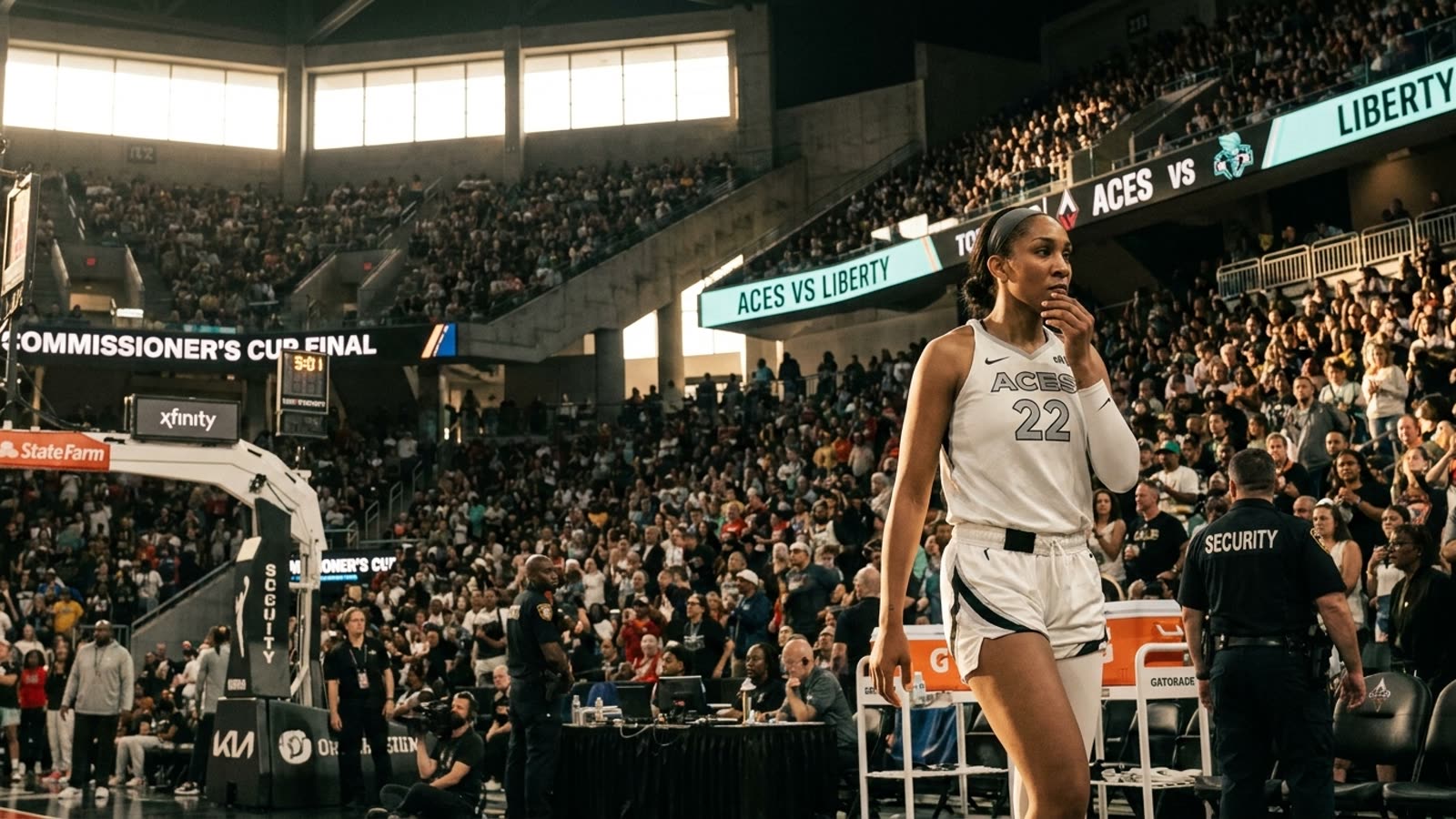
A player competing in the 2026 World Cup is simultaneously working as a paid analyst for a cryptocurrency sportsbook covering that same tournament. Luis Suárez, Uruguay's all-time leading scorer and one of football's most controversial figures, has signed with 1win Betwave to provide "exclusive match analysis" while his national team pursues knockout-round glory in North America.
The arrangement would have been unthinkable a decade ago. Now it barely registers as news.
The normalization machine
Suárez's deal with 1win Betwave — a crypto-native betting platform that has aggressively courted Latin American markets — represents the logical endpoint of football's Faustian bargain with the gambling industry. The sport that once banned shirt sponsorships altogether now features betting logos on roughly half of Premier League kits. FIFA itself partnered with betting data providers for this World Cup cycle.
What makes the Suárez arrangement particularly brazen is the timing. He is not a retired legend lending his name to a sportsbook; he is an active participant in the matches he's analyzing for bettors. Uruguay faces Portugal in the Round of 16 on Thursday. Suárez will presumably have thoughts on the odds.
The crypto angle adds another layer. Traditional sportsbooks face regulatory scrutiny that crypto platforms often sidestep through offshore registration and blockchain-based transactions. 1win Betwave operates in a gray zone that allows it to market directly to audiences that licensed operators cannot easily reach.
Why athletes keep saying yes
The economics are straightforward. Suárez, at 39, is in the twilight of his playing career. His market value has cratered from its peak, but his name recognition remains enormous across South America and Europe. Betting companies pay handsomely for that recognition — often more than traditional sponsors — because the return on investment is measurable in real time through new account signups and wagering volume.
For players from countries with weaker currencies, crypto payouts offer an additional appeal: instant, borderless compensation that bypasses local banking systems and currency controls. It's the same dynamic driving crypto sponsorships across Latin American football more broadly.
Our take
There's something grimly fitting about Suárez being the face of this particular intersection. He has always been football's id — brilliant, ruthless, willing to do whatever it takes. Biting opponents, handball saves on the goal line, now pitching parlays to fans while wearing the same shirt he'll wear against Portugal. The sport's governing bodies could stop this tomorrow if they wanted to. They don't want to, because the money flows in their direction too. The beautiful game sold itself long ago; we're just haggling over the terms.