WWE has spent decades trying to crack the European market with homegrown stars, cycling through British grapplers and continental hopefuls with mixed results. Ludwig Kaiser, the 31-year-old German performer who has quietly become one of the company's most watchable weekly presences, represents perhaps the most promising attempt yet—a wrestler who combines legitimate technical credentials with the kind of theatrical menace that translates across language barriers.
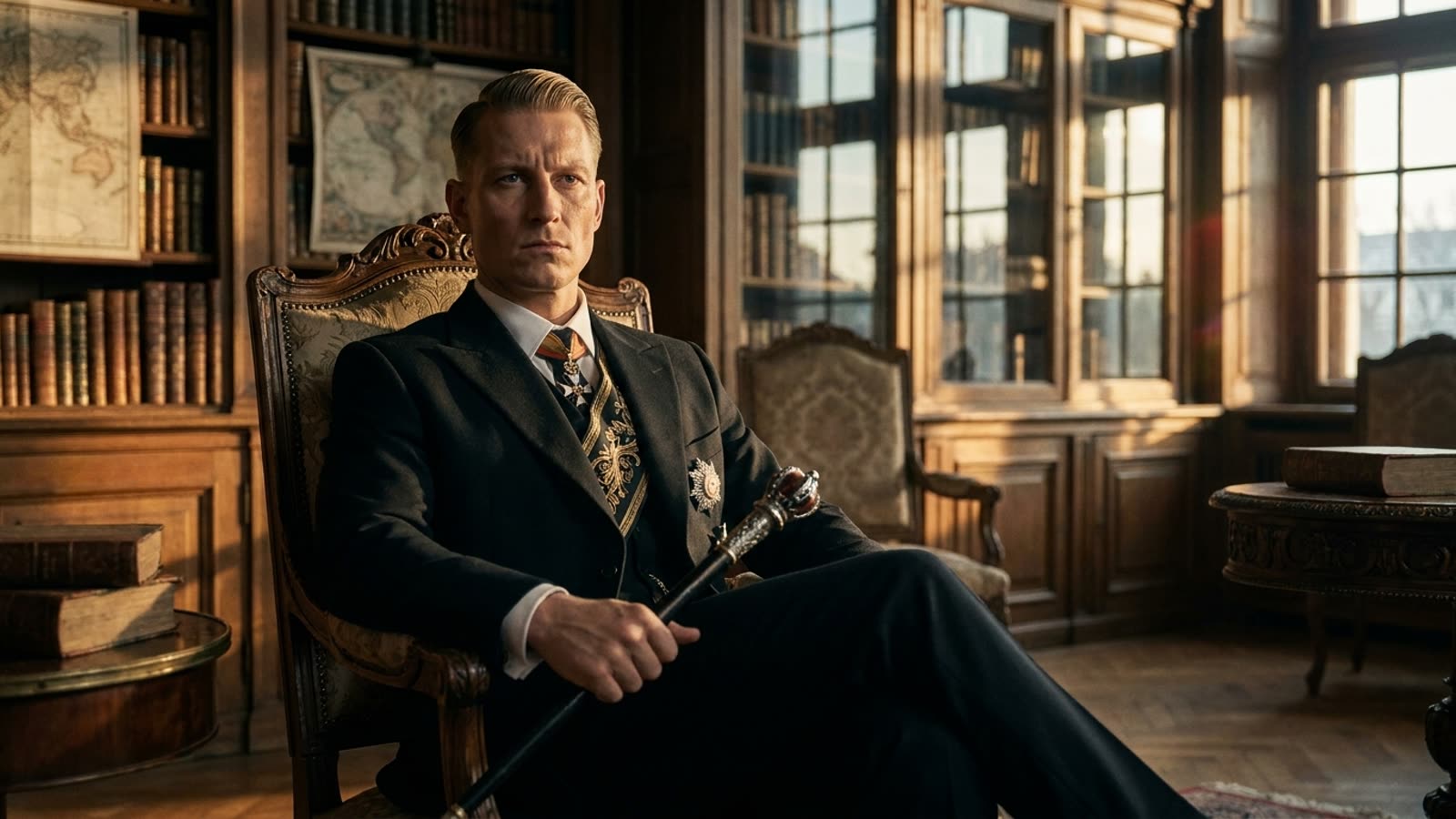
Kaiser's trajectory from Imperium faction muscle to genuine singles contender has been the rare WWE developmental arc that feels organic rather than manufactured. His ring work borrows liberally from European catch wrestling traditions while his character—all clipped consonants and aristocratic disdain—plays beautifully against American babyfaces without descending into lazy nationalism.
The Gunther problem
Kaiser's career has been inextricably linked to Gunther, his fellow German and former Imperium stablemate who currently holds the World Heavyweight Championship. The association has been both blessing and curse: it provided Kaiser with main-event adjacency and credibility by osmosis, but it also threatened to permanently cast him as a subordinate. His gradual separation from Gunther's shadow over the past year has been handled with unusual patience by WWE standards, allowing Kaiser to establish his own identity without the abrupt heel-face turns that typically accompany such splits.
The challenge now is whether WWE views Kaiser as a genuine main-event prospect or merely a reliable upper-midcard hand. The company's track record with European talent not named Gunther or Drew McIntyre suggests the latter is more likely.
Why Germany matters
WWE's renewed push into European markets—including expanded live event schedules and the persistent rumors of a German performance center—makes Kaiser's success strategically important beyond his individual merits. The company needs credible European champions to sell tickets in Frankfurt and Munich, and Kaiser's authentic German identity (he trained extensively in wXw, Germany's premier independent promotion) gives him legitimacy that manufactured international gimmicks cannot replicate.
His social media presence, which leans into dry humor and behind-the-scenes training content, has cultivated a following that skews younger and more international than WWE's traditional American base. It's the kind of organic audience-building that the company's marketing apparatus struggles to manufacture.
Our take
Ludwig Kaiser is doing everything right, which in WWE historically means very little. The company has a reliable pattern of identifying international talent, pushing them to the cusp of main-event status, then losing interest when the next shiny project emerges. Kaiser's best asset may be his patience—he's played the long game through Imperium, through the Gunther association, through the slow-burn singles push. Whether that patience gets rewarded with a world title run or a perpetual intercontinental purgatory will say more about WWE's European ambitions than any press release about international expansion.