The American Music Awards have announced their 2026 nominees, and the most notable thing about the announcement is how few people noticed.
Once the populist counterweight to the Grammy Awards — votes determined by fans rather than industry insiders — the AMAs have spent the better part of a decade sliding into irrelevance. The 2024 ceremony was cancelled outright. The 2025 edition limped along with modest ratings and a truncated broadcast. Now, with fresh nominees circulating, the show's producers are betting that name recognition alone can resurrect a franchise that younger audiences barely remember exists.
The fan-vote paradox
The AMAs' original premise was democratic: let the people decide. In the streaming era, that model has become redundant. Spotify wrapped, Apple Music replays, and TikTok virality already tell us what the masses prefer, in real time, with granular precision. A year-end ceremony tabulating the same data feels less like celebration than belated confirmation.
Meanwhile, the Grammys have leaned into their controversial insider voting as a feature, not a bug — the discourse around snubs and surprises generates more attention than the wins themselves. The AMAs occupy an awkward middle ground: neither prestigious enough to confer credibility nor chaotic enough to drive conversation.
Who needs another trophy?
For artists, the calculus has shifted. A Grammy still moves the needle on catalogue sales and licensing deals. A VMAs performance can define a visual era. An AMAs win in 2026? It barely registers on an artist's Wikipedia page. Major labels have quietly deprioritized AMA campaigns, redirecting resources toward playlist placements and sync opportunities that deliver measurable returns.
The ceremony's broadcast partner has cycled through networks, each hoping to capture lightning that dissipated years ago. Production budgets have contracted accordingly, making the kind of spectacular performances that once defined the show increasingly rare.
Our take
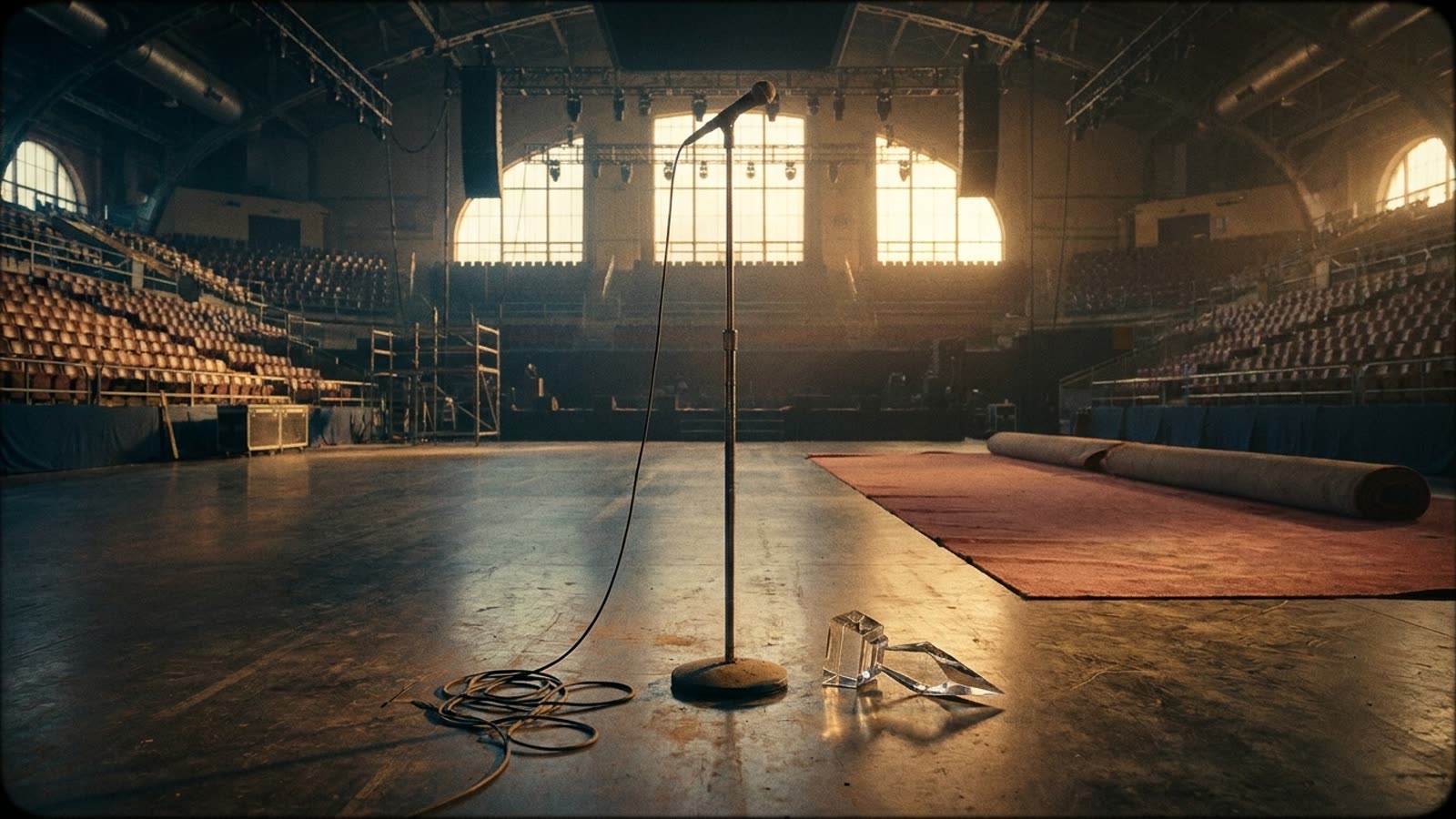
The American Music Awards are not dead, but they are something arguably worse: ambient. They exist in the background of an industry that has found more efficient ways to measure popularity and more compelling stages to celebrate artistry. This year's nominees will win their trophies, post their thank-yous, and watch the clips disappear into algorithmic oblivion within forty-eight hours. The AMAs' problem is not that audiences hate them — it is that audiences have simply stopped caring enough to have an opinion at all.