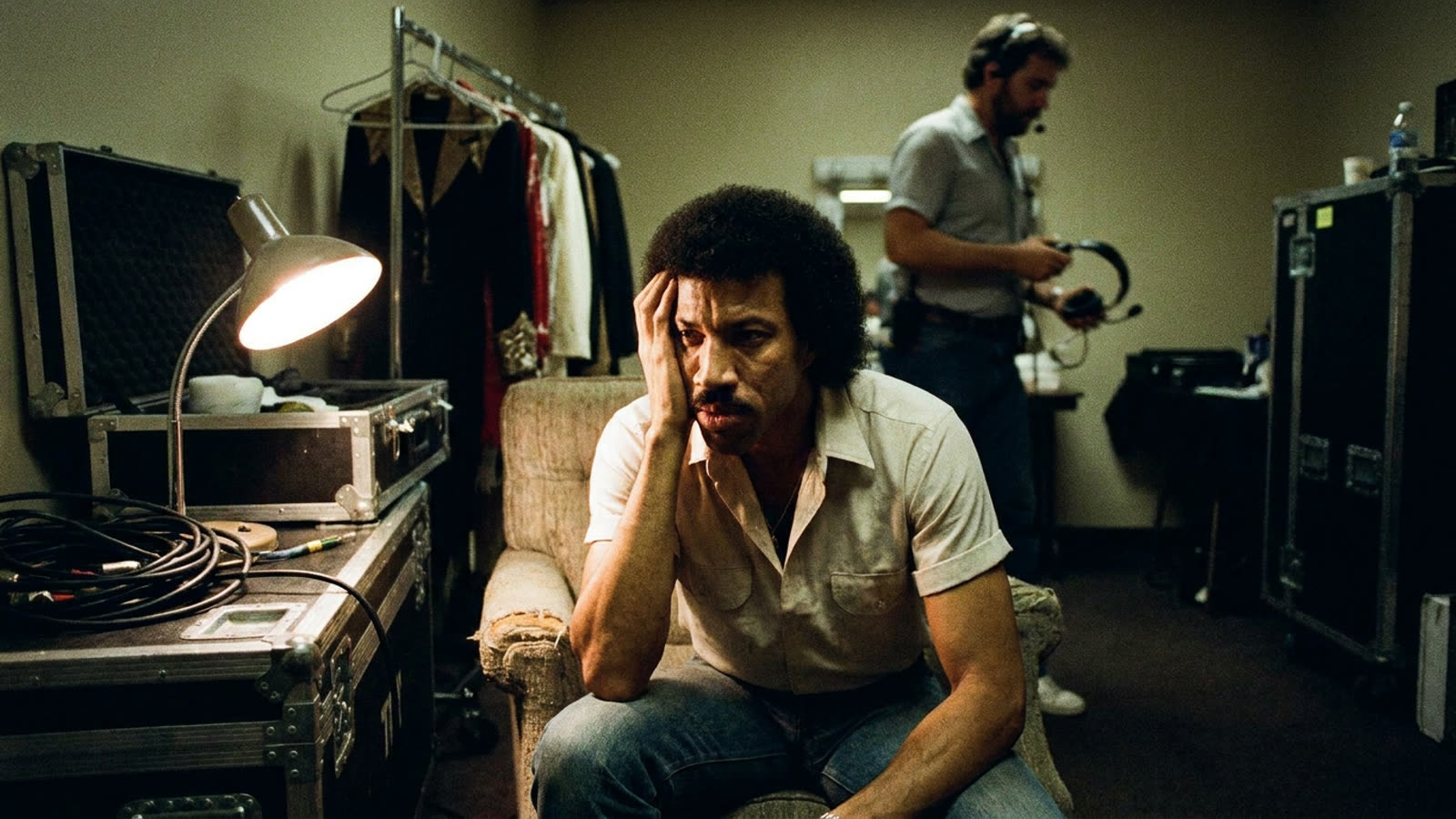
A video circulating Wednesday shows Lionel Richie, mid-song at Connecticut's Mohegan Sun Arena, suddenly stopping, steadying himself, and being helped offstage by crew members. The show was cancelled. The crowd was sent home. And the entertainment industry's most lucrative growth sector—legacy artist touring—received another reminder of its actuarial fragility.
Richie, 76, has not released a statement detailing the cause of his collapse. Representatives described the incident as the singer "falling ill" without elaboration. But the optics alone tell a story the concert business would prefer not to narrate: one of pop music's most durable performers, a man who has been touring continuously for five decades, reaching his physical limit in real time, on camera, in front of thousands.
The economics of forever tours
The modern concert industry runs on nostalgia. Legacy artists—acts whose commercial peaks came decades ago—now command the highest ticket prices and most reliable attendance figures in live entertainment. Richie himself has been a fixture of this economy, touring steadily through his seventies while younger artists struggle to fill arenas. The model works beautifully until it doesn't.
What Wednesday's incident exposes is the tension between financial incentive and biological reality. Artists of Richie's generation face enormous pressure to keep touring: streaming has decimated recorded-music income, catalog sales provide one-time windfalls rather than recurring revenue, and live performance remains the only reliable path to eight-figure annual earnings. The industry has built itself around the assumption that these performers will keep showing up.
A pattern emerges
Richie is hardly the first. Elton John's farewell tour was extended repeatedly before concluding in 2023. Billy Joel, 77, maintains a Madison Square Garden residency. The Rolling Stones, whose youngest member is 77, continue to book stadiums. Each performance carries implicit risk that promoters, venues, and insurance underwriters have learned to price but cannot eliminate.
The question isn't whether these artists can still perform—clearly, most can, and brilliantly. The question is whether an industry predicated on their continued performance has adequately prepared for the inevitable moment when they cannot. Wednesday night in Connecticut, that moment arrived for Lionel Richie, however temporarily.
Our take
There is something both admirable and troubling about watching a 76-year-old man collapse while singing "All Night Long" for the ten-thousandth time. Admirable because Richie clearly loves performing and has earned the right to do it as long as he wishes. Troubling because the economic structures around him make stopping feel impossible. The concert industry has become dependent on artists who should have the option to rest—and has given them every reason not to take it. Richie will almost certainly return to the stage. The system demands it.