When a wealthy man publicly denies being a woman's sugar daddy, he has already lost the semantic battle. The very act of refutation confirms that the question was worth asking, and in the economy of celebrity gossip, that's the only currency that matters.
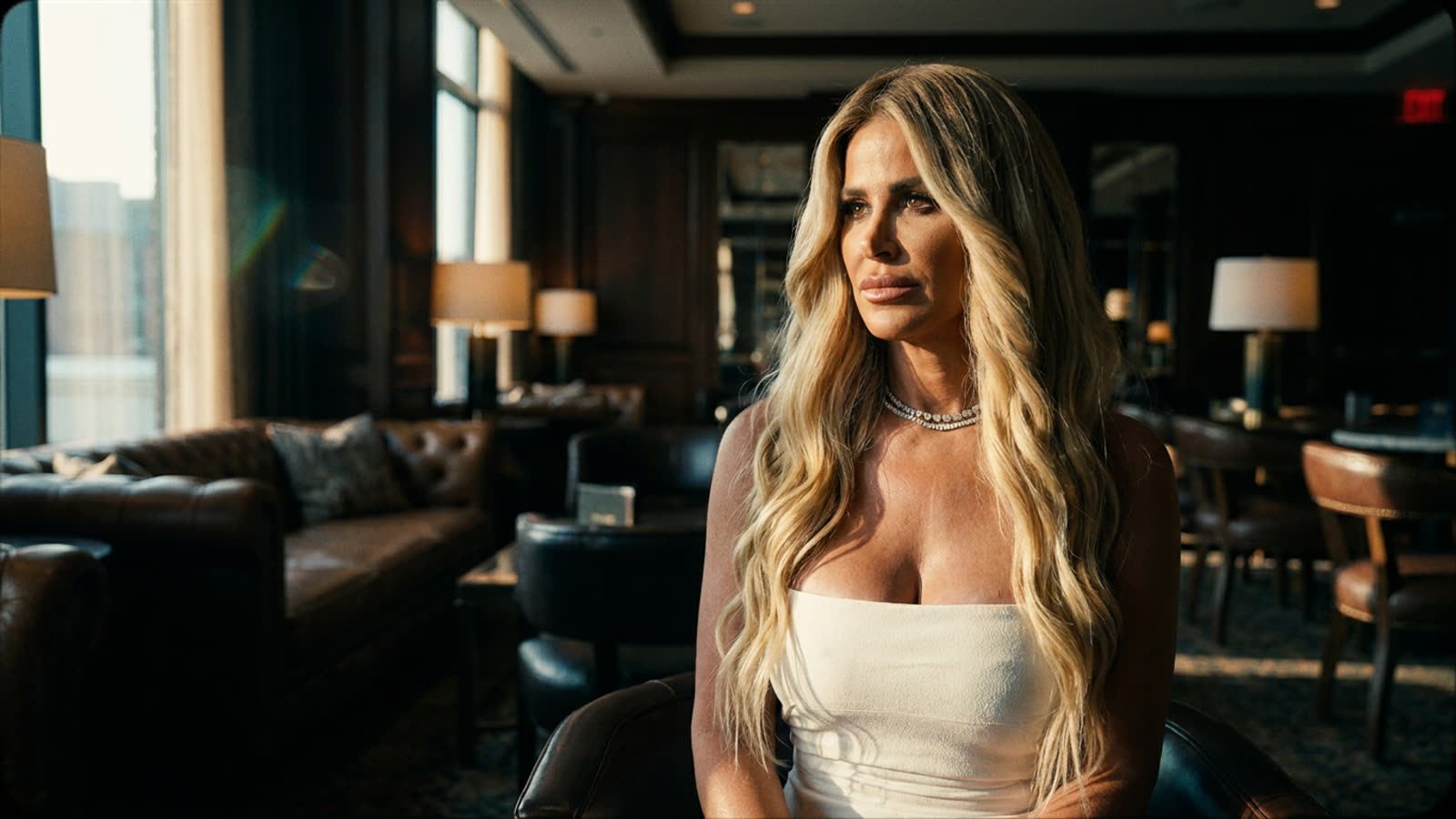
Kim Zolciak, the former Real Housewives of Atlanta star whose divorce from Kroy Biermann has been a rolling financial catastrophe covered in excruciating detail, has surfaced with a new boyfriend. He is, by all accounts, quite comfortable. And he would very much like you to know that his relationship with Zolciak is not transactional.
The choreography of the denial
There is a specific rhythm to these clarifications. The wealthy partner issues a statement—unprompted or lightly prompted—that frames the relationship in terms of genuine connection, shared values, perhaps a mutual love of travel or wine or rescue dogs. The subtext is always the same: I am not paying for companionship; I am simply a man who happens to have resources and happens to have fallen for a woman who happens to need them.
The denial serves multiple functions. It protects the man's ego, suggests the woman has value beyond her financial predicament, and generates a second news cycle. Zolciak, who has spent years watching her foreclosure drama play out in tabloid headlines, understands this machinery intimately. The boyfriend's statement is not damage control; it is content.
Reality television's debt economy
Zolciak's trajectory is instructive. She parlayed her Housewives fame into a spin-off, a wig line, and a lifestyle that required increasingly creative financing. When that financing collapsed—publicly, humiliatingly, with court documents detailing gambling debts and IRS liens—she faced a choice familiar to many reality stars: retreat into obscurity or lean further into the narrative.
She chose the latter. Every boyfriend, every real estate listing, every cryptic Instagram caption becomes a plot point in an ongoing series that no longer requires Bravo's cameras. The audience has been trained to follow these stories across platforms, assembling meaning from TMZ posts and court filings and carefully worded denials from men who insist they are not sugar daddies.
The post-divorce playbook
Zolciak is not unique. A generation of reality stars has discovered that financial ruin, properly managed, can be as valuable as success. The key is maintaining narrative control—never appearing desperate, always suggesting that the next chapter is imminent. A new relationship with a wealthy man is not evidence of decline; it is a pivot, a rebrand, proof of enduring desirability.
The boyfriend's denial fits neatly into this framework. By rejecting the sugar daddy label, he elevates both parties: he becomes a romantic lead rather than a benefactor, she becomes a woman chosen for her qualities rather than her circumstances. That neither characterization survives close scrutiny is beside the point. In the attention economy, the story only needs to hold together long enough to generate engagement.
Our take
The sugar daddy denial is a minor masterpiece of celebrity media management. It acknowledges the audience's cynicism while refusing to confirm it, creating just enough ambiguity to sustain interest. Zolciak, whatever her financial troubles, remains a skilled practitioner of the form. She understands that in 2026, the line between reality television and reality has dissolved entirely—and that the only losing move is to stop performing.