Emma Chamberlain has stopped trying to be relatable, and it might be the smartest career decision she's made since launching Chamberlain Coffee.
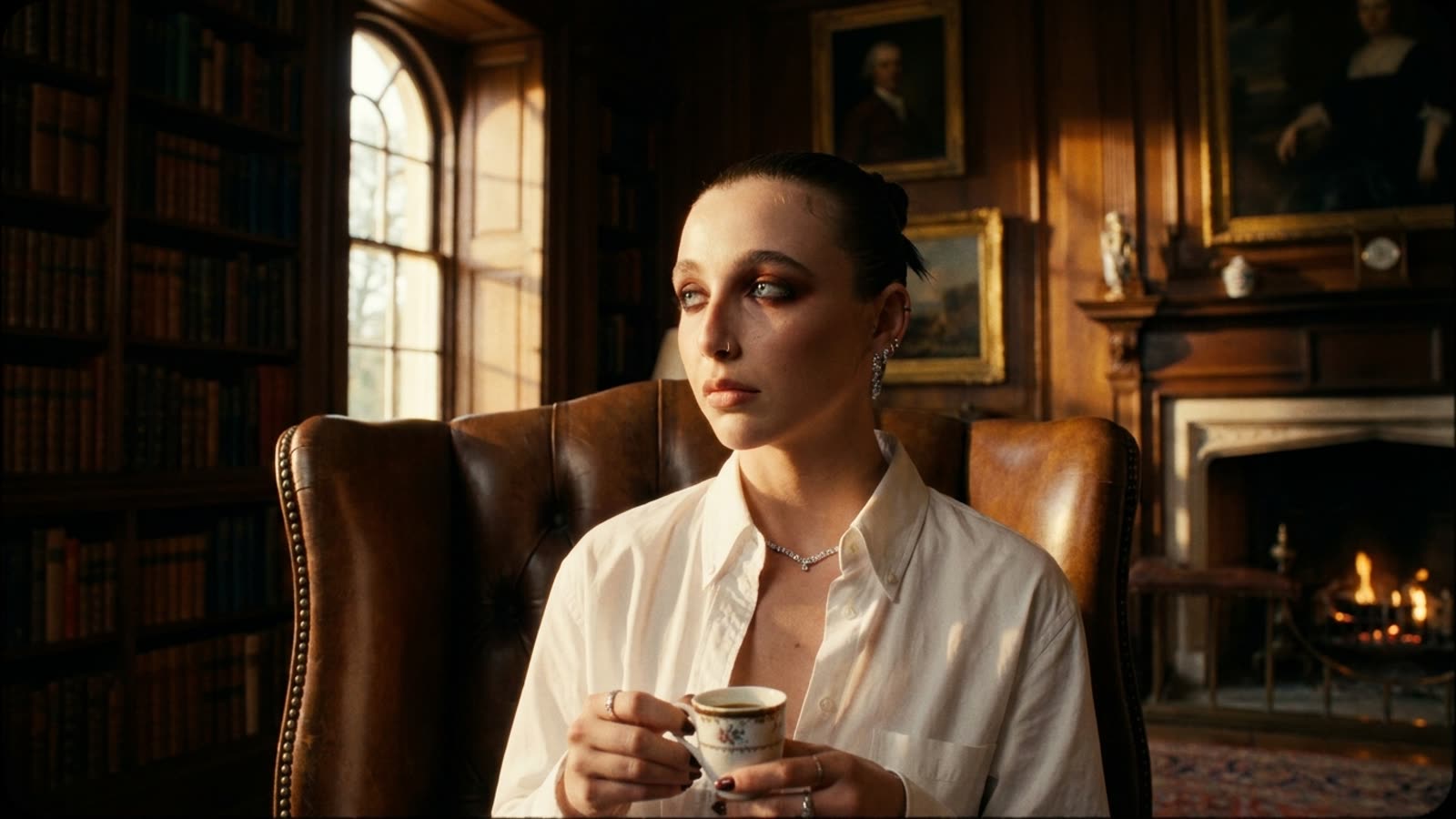
The 25-year-old creator, who built her empire on jump cuts and unfiltered confessionals, has been steadily releasing a series of polished, editorial-quality images that look less like influencer content and more like a Bottega Veneta campaign. The aesthetic shift—muted tones, architectural settings, conspicuous absence of product placement—represents a deliberate departure from the chaotic authenticity that made her YouTube's most bankable personality in the late 2010s.
The influencer maturation problem
Every creator who came up in the 2016-2019 YouTube boom faces the same dilemma: the persona that built your audience at nineteen becomes a straitjacket at twenty-five. Chamberlain's contemporaries have largely responded by doubling down on their original formulas or pivoting to reality television. She's chosen a third path—borrowing the visual language of legacy fashion houses while maintaining enough digital-native credibility to keep her 12 million Instagram followers engaged.
The strategy mirrors what Hailey Bieber accomplished with Rhode, using personal aesthetic as a bridge between influencer culture and traditional luxury positioning. But where Bieber had marriage to a global pop star as her legitimacy accelerant, Chamberlain is attempting the transition on creative output alone.
Why the fashion industry is buying it
Chamberlain's Met Gala appearances and front-row status at Paris Fashion Week aren't accidents. The fashion establishment, perpetually anxious about reaching younger consumers, has identified her as one of the few influencers who can credibly occupy both worlds. Her Louis Vuitton ambassadorship, now entering its fourth year, has outlasted most celebrity partnerships because she delivers something the brand can't manufacture internally: genuine cultural fluency with a demographic that views traditional advertising with suspicion.
The new visual direction suggests she's renegotiating that relationship. These aren't sponsored posts; they're positioning exercises, designed to demonstrate that she can operate at the aesthetic level the industry respects while maintaining the audience reach it covets.
Our take
Chamberlain is essentially betting that the influencer-to-mogul pipeline requires a visual vocabulary upgrade most of her peers aren't willing to invest in. It's a gamble that assumes her audience will follow her into more rarefied territory rather than seeking out the next chaotic twenty-year-old. Given that she's already survived multiple platform algorithm shifts and a pandemic-era creator boom that minted thousands of competitors, the odds seem reasonable. The girl who made anxiety relatable is now making aspiration feel attainable—a harder trick, but a more durable one.