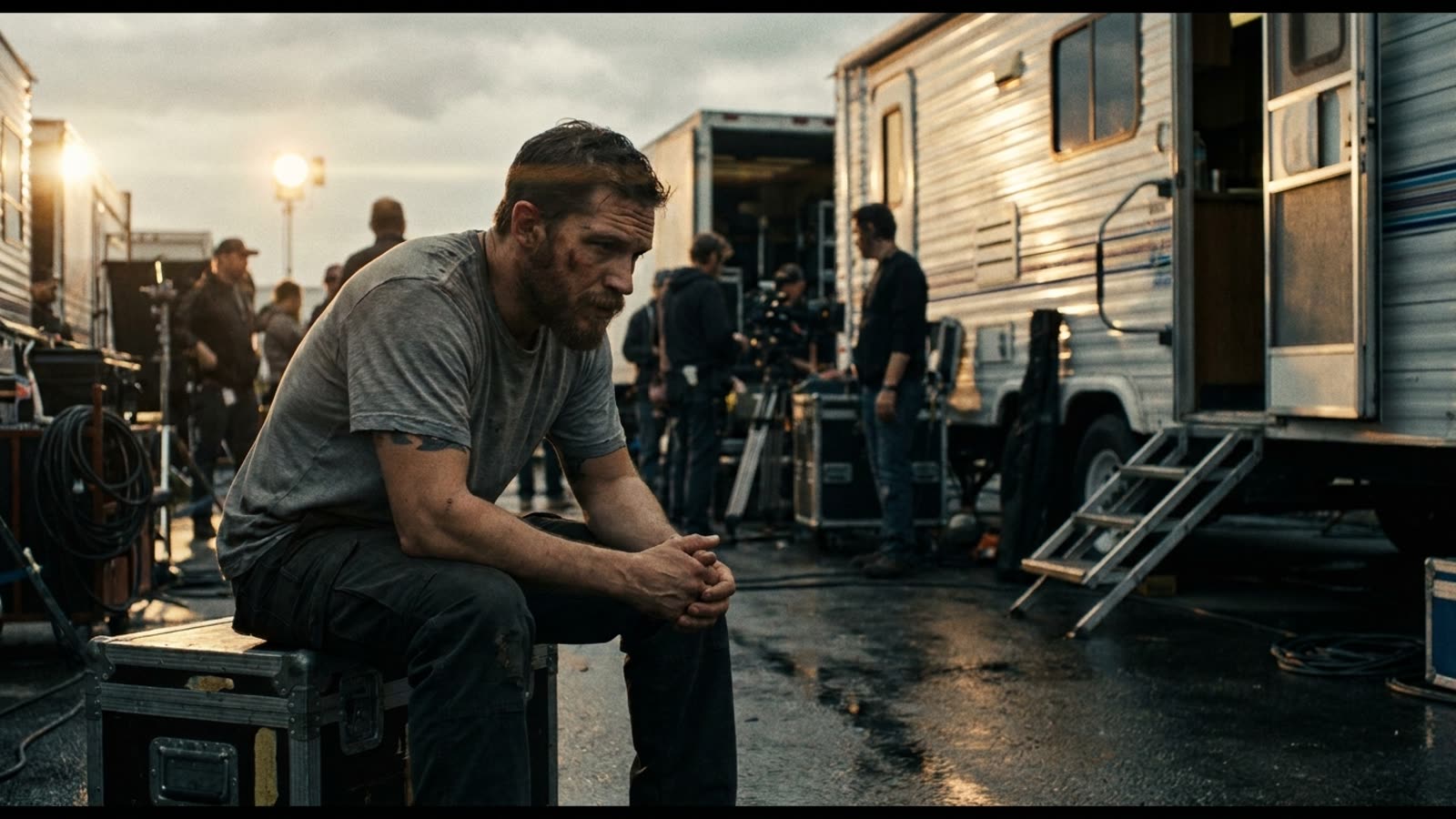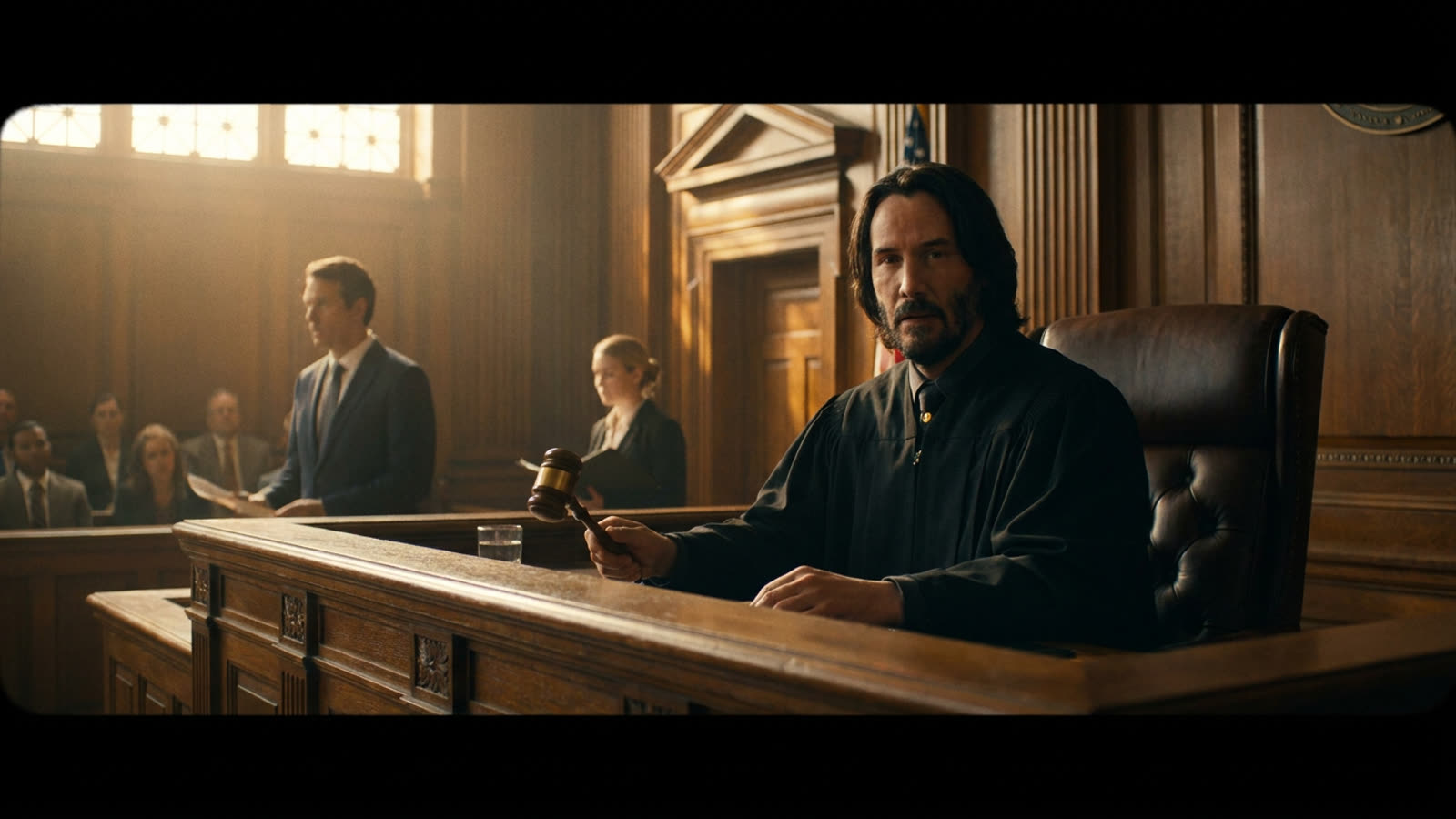
Keanu Reeves, the 61-year-old actor who has spent four decades cultivating an image as Hollywood's most reluctant celebrity, is reportedly set to join the ranks of television judges—a move that feels both perfectly on-brand and utterly bewildering.
The John Wick star, whose appeal has always resided in his apparent discomfort with fame itself, is stepping into a format that demands the opposite: the authority to evaluate others, the confidence to pronounce judgment, the willingness to occupy the center of attention week after week. For an actor who became a meme precisely because he seemed so uncomfortable being photographed eating a sandwich alone on a park bench, this represents either a radical reinvention or a spectacular misreading of his own mythology.
The Reeves paradox
What makes Reeves singular in contemporary celebrity culture is his studied ordinariness. While his peers collect Hamptons estates and launch tequila empires, Reeves rides the subway, gives up his seat to strangers, and reportedly donated most of his Matrix backend to the film's crew. His internet canonization as "the nicest man in Hollywood" depends entirely on his apparent indifference to the machinery of fame.
Television judging shows, by contrast, are exercises in performed authority. From Simon Cowell's theatrical cruelty to the choreographed warmth of The Voice, the format requires judges to project certainty, to embody expertise, to matter visibly. The question isn't whether Reeves can do this—he's been acting for forty years—but whether doing it will puncture the very mystique that makes him valuable.
The economics of late-career pivots
Reeves isn't the first action star to seek softer landings as the stunt work becomes less sustainable. But where Dwayne Johnson pivoted to family comedies and Arnold Schwarzenegger to prestige television, Reeves has been notably resistant to the usual retirement trajectories. His continued commitment to performing his own stunts in the John Wick franchise, well into his sixties, suggested someone uninterested in the graceful exit.
A judging gig offers something different: steady work, minimal physical demands, and the kind of parasocial intimacy that streaming-era television rewards. Whether the show involves music, cooking, or some yet-undisclosed competition format, Reeves brings an audience that will tune in simply to watch him exist on screen—the same audience that made a documentary about him riding motorcycles into a modest hit.
Our take
The appeal of Keanu Reeves has always been that he seems to want nothing from us. He doesn't hawk products, doesn't court controversy, doesn't perform the exhausting labor of contemporary celebrity. A television judging role threatens this careful equilibrium—not because it's beneath him, but because it requires him to want something publicly: our viewership, our approval, our weekly attention. The internet's boyfriend works precisely because he never asked to be. Whether he can survive asking remains to be seen.