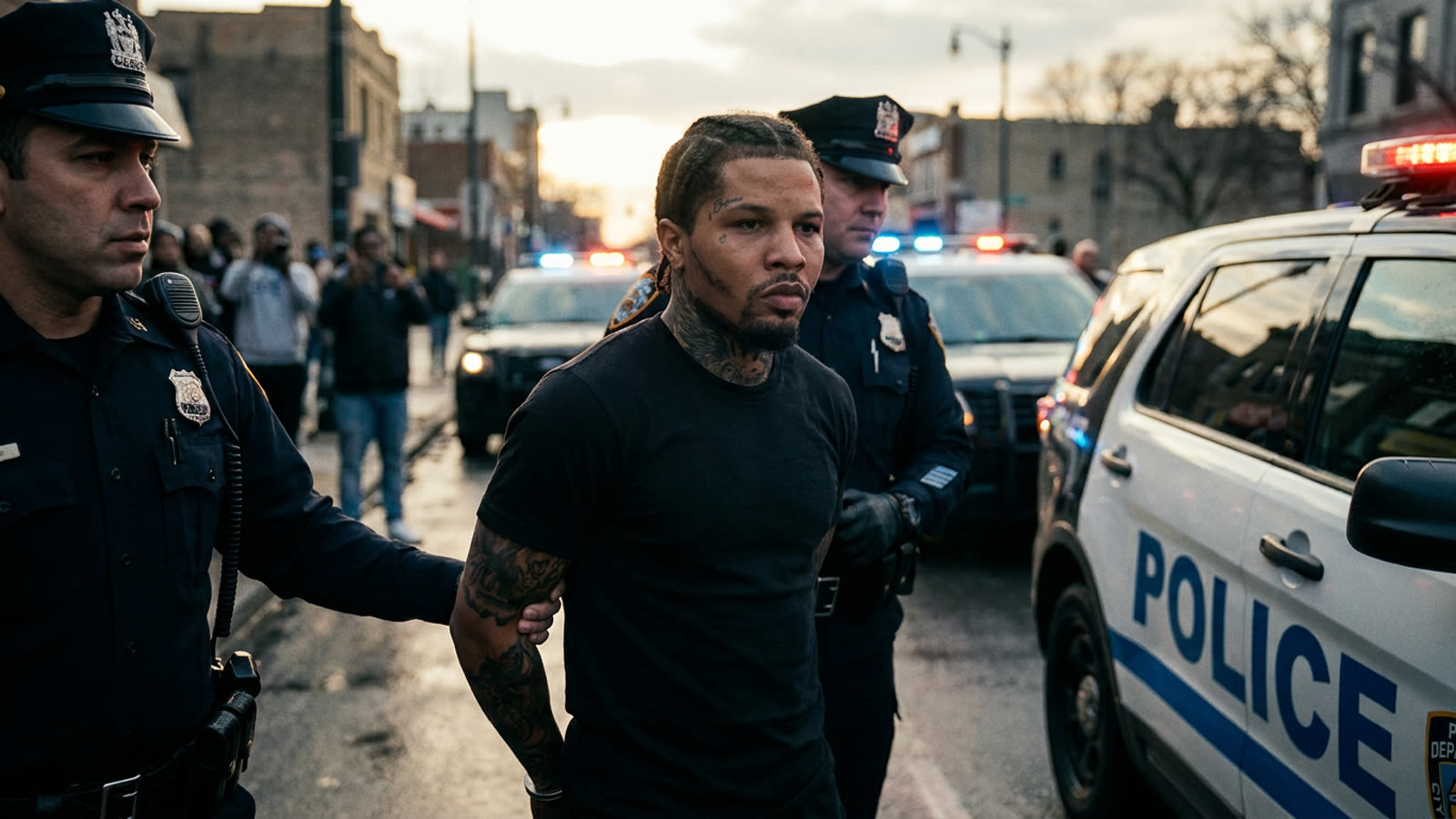
Gervonta Davis, the 31-year-old boxing sensation with a record of devastating power and equally devastating legal entanglements, is wanted by Maryland authorities for allegedly violating his probation. The warrant marks the latest chapter in a career that has seen Davis become one of the sport's most electrifying performers while simultaneously accumulating a rap sheet that reads like a cautionary tale about fame, money, and accountability.
The probation stems from a 2020 hit-and-run incident in Baltimore, where Davis struck four people with his Lamborghini after running a red light. He eventually pleaded guilty and received a suspended sentence with probation — a resolution that critics argued was far too lenient for an incident that left victims with serious injuries. Now, whatever the specific violation, Davis finds himself once again explaining his behavior to a court system that has shown him considerable patience.
The talent-trouble paradox
What makes Davis's situation so frustrating for boxing observers is the sheer waste of it all. Inside the ring, he is a genuine phenom — a fighter with knockout power in both hands, defensive reflexes that border on precognitive, and the kind of charisma that fills arenas. His promotional partnership with Floyd Mayweather positioned him as the heir apparent to boxing's pay-per-view throne. By any athletic measure, Davis should be spending his early thirties cementing a legacy, not dodging warrants.
Instead, his out-of-ring conduct has created a parallel narrative. Beyond the hit-and-run, there have been domestic violence allegations, a battery arrest at a celebrity basketball game, and various social media incidents that suggest a man struggling with the pressures and temptations of sudden wealth and fame. The pattern is familiar in combat sports, where young men from difficult backgrounds are handed millions of dollars and minimal structure.
What happens next
Maryland authorities will presumably seek Davis's arrest, though high-profile athletes with resources rarely languish in custody for probation violations. More likely, Davis will turn himself in, face a hearing, and either have his probation revoked or extended with additional conditions. The real question is whether this latest incident affects his boxing career — specifically, whether promoters and networks will begin to view him as more trouble than he's worth.
So far, the answer has been no. Davis remains a massive draw, and the boxing business has historically tolerated far worse from its stars. Mike Tyson's conviction didn't end his career; Floyd Mayweather's domestic violence history didn't prevent him from becoming the sport's highest-paid athlete. The calculus is coldly commercial: as long as fans buy tickets and pay-per-views, the show goes on.
Our take
Gervonta Davis is not a complicated case study. He is an immensely gifted athlete who has repeatedly demonstrated that talent alone does not confer maturity, judgment, or the ability to navigate life outside the ring. The boxing world will continue to enable him because he generates revenue, and the legal system will continue to offer him chances because that is what the legal system does for celebrities with expensive lawyers. The only person who can change the trajectory is Davis himself, and the evidence suggests he is not particularly interested in doing so. At some point, the knockouts inside the ring will stop mattering if the self-inflicted wounds outside it become severe enough. That point has not yet arrived, but it is closer than it was yesterday.