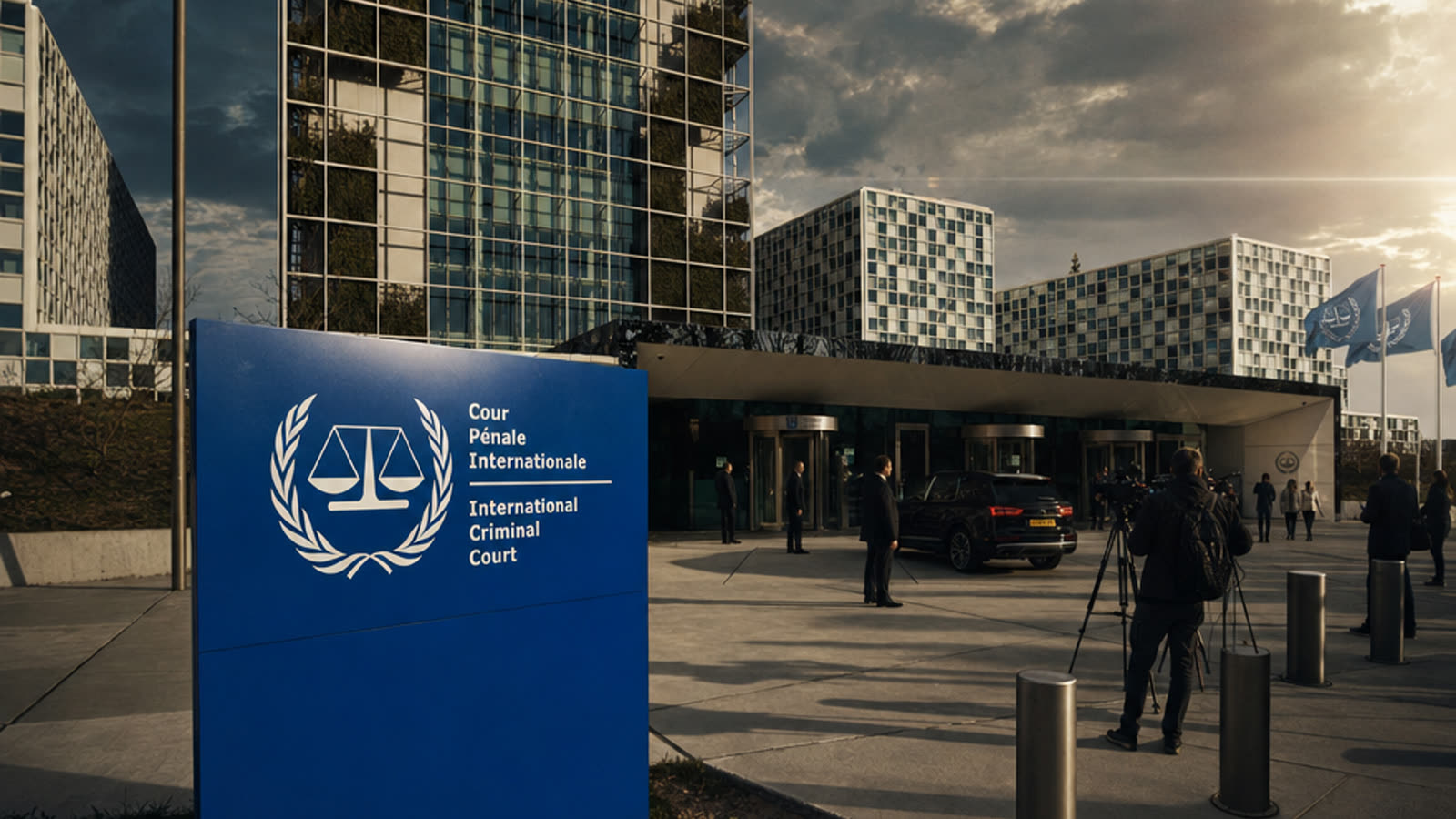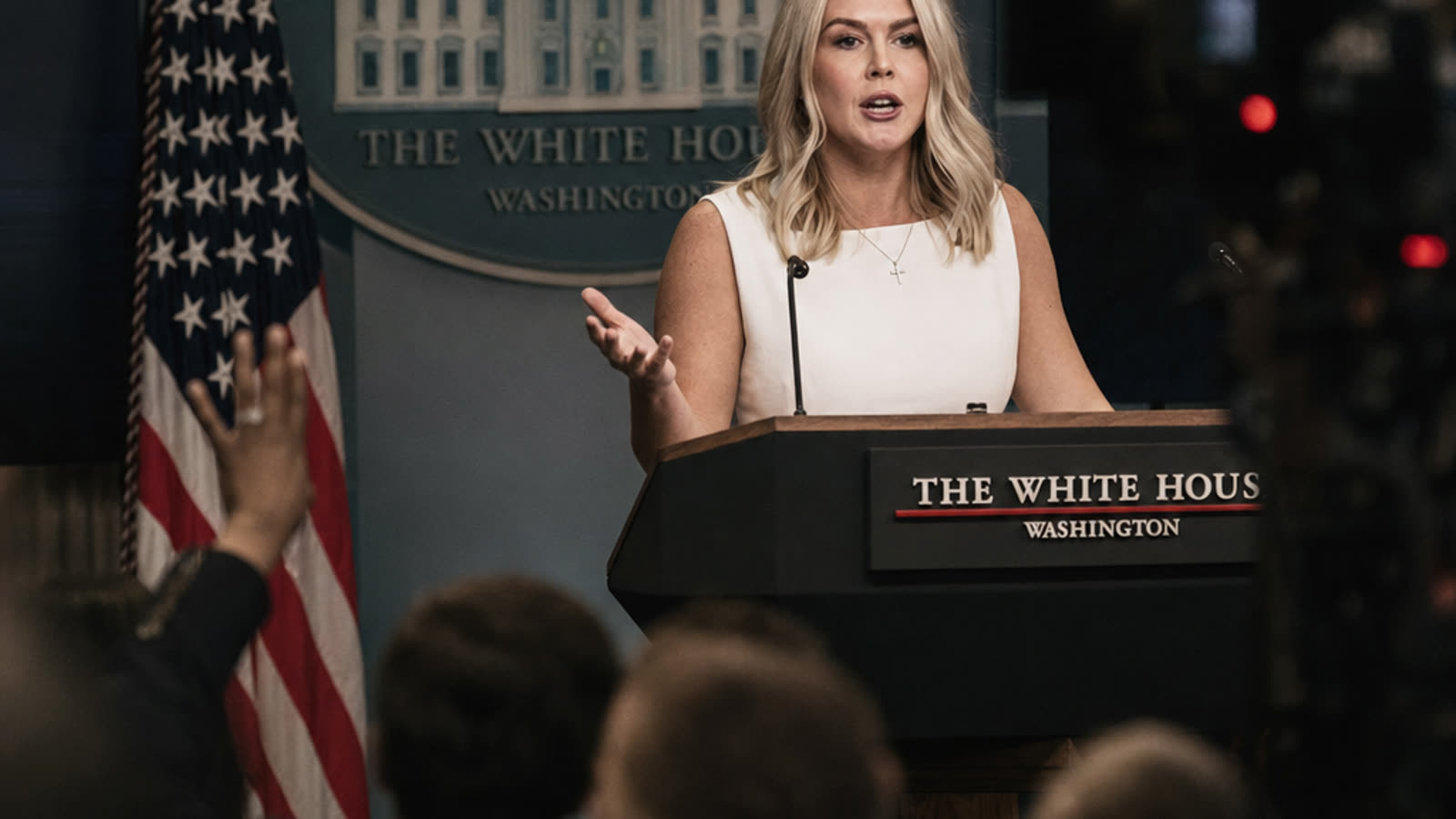
The Trump administration's campaign to punish anyone cooperating with the International Criminal Court ran into an immovable object this week: the federal judiciary.
A U.S. district judge granted a temporary injunction blocking the administration from imposing sanctions on Dawn and Taag, two American human rights organizations that have been assisting the ICC's investigation into alleged war crimes in Gaza. The ruling does not end the legal battle, but it represents the first meaningful judicial pushback against an executive order that critics have called the most aggressive assault on international accountability mechanisms in American history.
The sanctions playbook
The administration's approach has been straightforward: if you cannot withdraw from the ICC (the United States never ratified the Rome Statute), you can at least terrorize anyone who works with it. The executive order signed earlier this year authorized asset freezes, visa bans, and secondary sanctions against individuals and entities deemed to be "materially supporting" ICC investigations targeting American personnel or allies.
Dawn and Taag, which have provided documentation and research to ICC prosecutors examining the conduct of Israeli military operations, became early targets. Their inclusion on a preliminary sanctions list triggered an immediate legal challenge.
What the judge actually said
The court's reasoning focused narrowly on First Amendment concerns and the procedural deficiencies in how the organizations were designated. The judge did not rule on the broader constitutionality of sanctioning Americans for cooperating with an international court, leaving that question for later proceedings.
But the temporary relief matters enormously. Sanctions, once imposed, create immediate and often irreversible damage—frozen bank accounts, severed business relationships, reputational harm that persists even if the designation is later overturned. By halting implementation, the court preserved the status quo while the underlying issues are litigated.
The administration's dilemma
The Justice Department can appeal, but doing so risks an unfavorable ruling from a circuit court that would create binding precedent. The smarter play may be to let the case proceed at the district level while hoping political winds shift. Midterm elections are weeks away, and a Republican Congress would be far more sympathetic to legislative fixes that could moot the judicial challenge entirely.
Meanwhile, the ICC investigation continues. Prosecutor Karim Khan has shown no inclination to slow his work in response to American pressure, and the court's member states have rallied around the principle that external threats cannot be allowed to compromise judicial independence.
Our take
This ruling will not stop the administration from pursuing its broader campaign against the ICC, but it establishes that American courts are not rubber stamps for executive action in this domain. The sanctions regime depends on speed and intimidation; prolonged litigation undermines both. If the goal was to make cooperation with the ICC radioactive, the message from the federal bench is that the fallout may be contained.