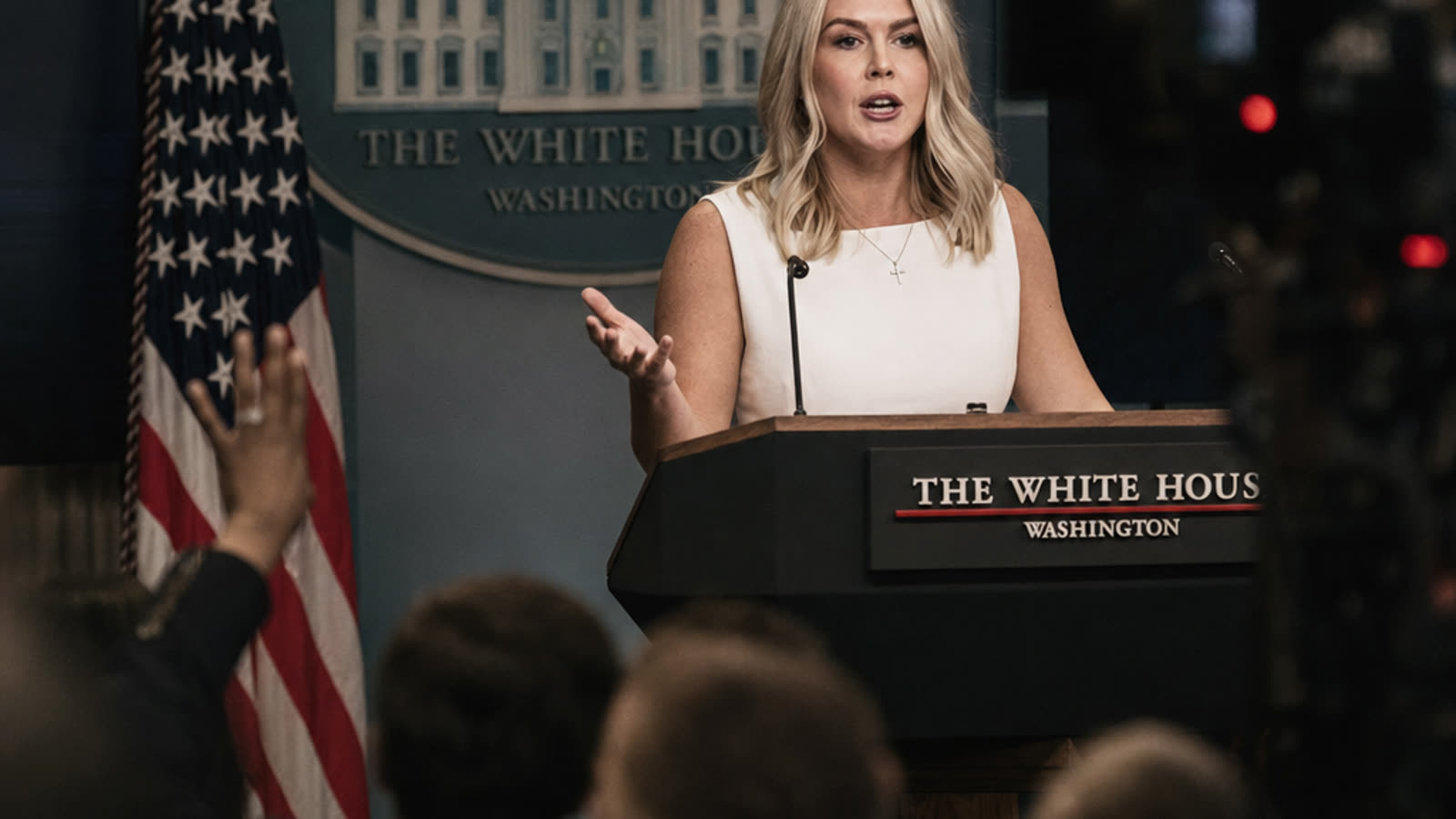
The White House chose the most symbolically loaded moment possible to remind the world that American exceptionalism extends to international law.
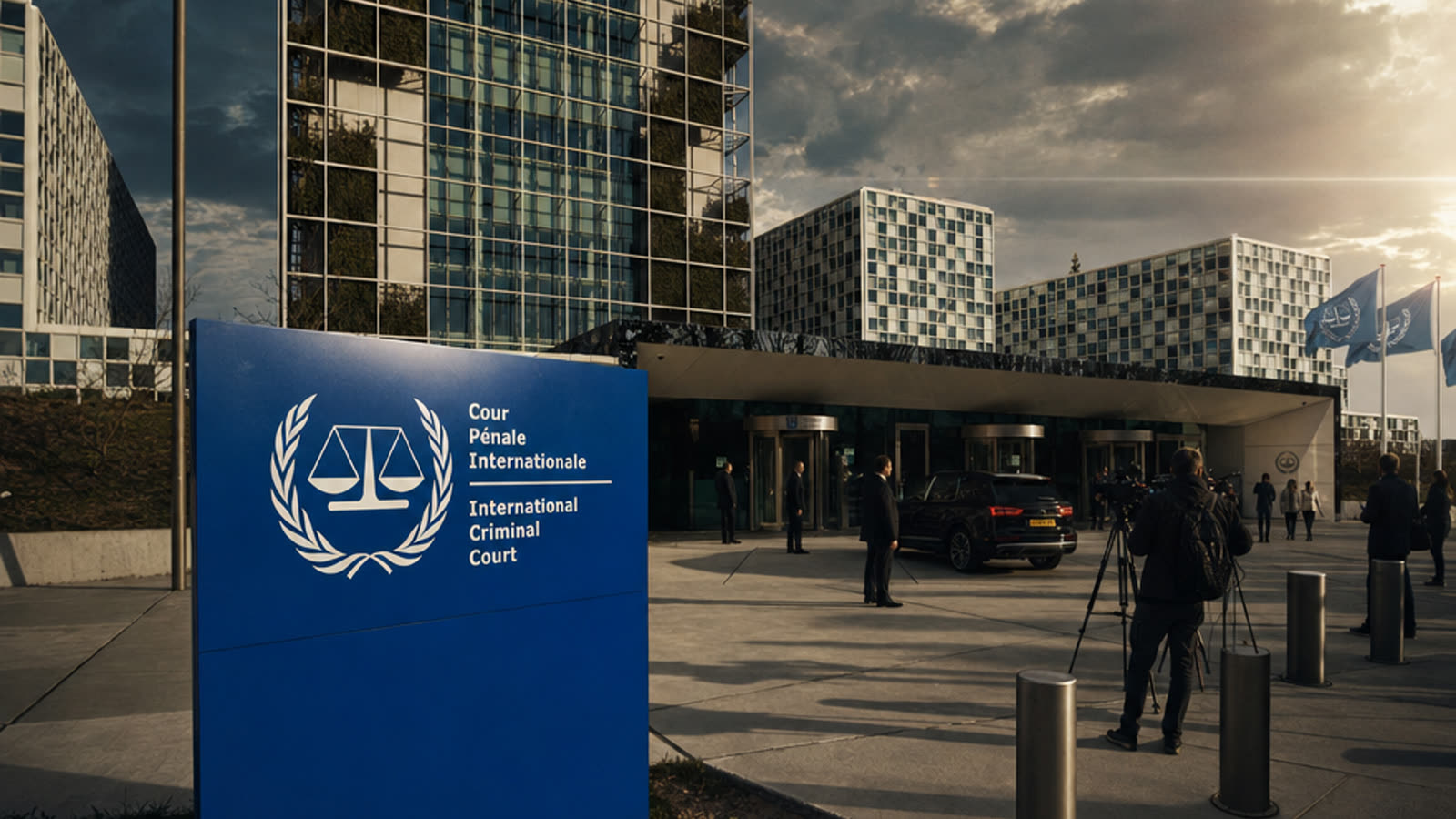
Hours after the Norwegian Nobel Committee announced that a former International Criminal Court judge had been awarded the 2026 Peace Prize — a pointed endorsement of the tribunal's work on war crimes and crimes against humanity — the Treasury Department unveiled fresh sanctions targeting ICC officials and their families. The juxtaposition was so stark that even seasoned diplomats struggled to read it as coincidental.
The sanctions package
The new measures expand on the framework first deployed during the first Trump administration, when the ICC's investigation into alleged American war crimes in Afghanistan triggered a furious response from Washington. That earlier sanctions regime was quietly lifted under President Biden, who sought to repair relationships with European allies who view the court as a cornerstone of the rules-based international order.
The 2026 package goes further. Beyond asset freezes and visa bans on senior prosecutors, the Treasury has designated certain law firms and NGOs that provide support services to ICC investigations. The message to the international legal community is unmistakable: cooperation with The Hague carries costs.
Why now
The official explanation cites ongoing ICC proceedings that touch on American personnel and allies — a reference to investigations that could implicate Israeli officials over Gaza operations and, more distantly, American military contractors. But the timing suggests something more theatrical.
The Nobel announcement was widely anticipated. The former judge's name had circulated on shortlists for weeks, and the committee's choice was read as a deliberate statement about the importance of international accountability mechanisms at a moment when they face unprecedented pressure. By moving within hours of the announcement, Washington transformed a story about the court's legitimacy into a story about American defiance.
The European dilemma
For EU member states, the sanctions create an uncomfortable compliance puzzle. European companies and financial institutions must now navigate between American secondary sanctions and their own legal obligations to the ICC, which operates under a treaty ratified by all 27 EU members. Brussels has issued the predictable statement of "deep concern," but the practical response remains unclear.
The United Kingdom, which has been cultivating closer post-Brexit ties with Washington, faces a particularly awkward choice. London ratified the Rome Statute and has historically championed international criminal justice, but the current government's foreign policy depends heavily on American cooperation.
Our take
The administration could have imposed these sanctions last week or next month. It chose today. That is not clumsiness; it is communication. The message is that American power operates on its own calendar, indifferent to the symbolic dates that matter to the international community. Whether this strengthens or weakens American influence in the long run is a question the current White House appears uninterested in asking. The immediate goal — demonstrating that Washington answers to no external authority — has been achieved with brutal clarity.