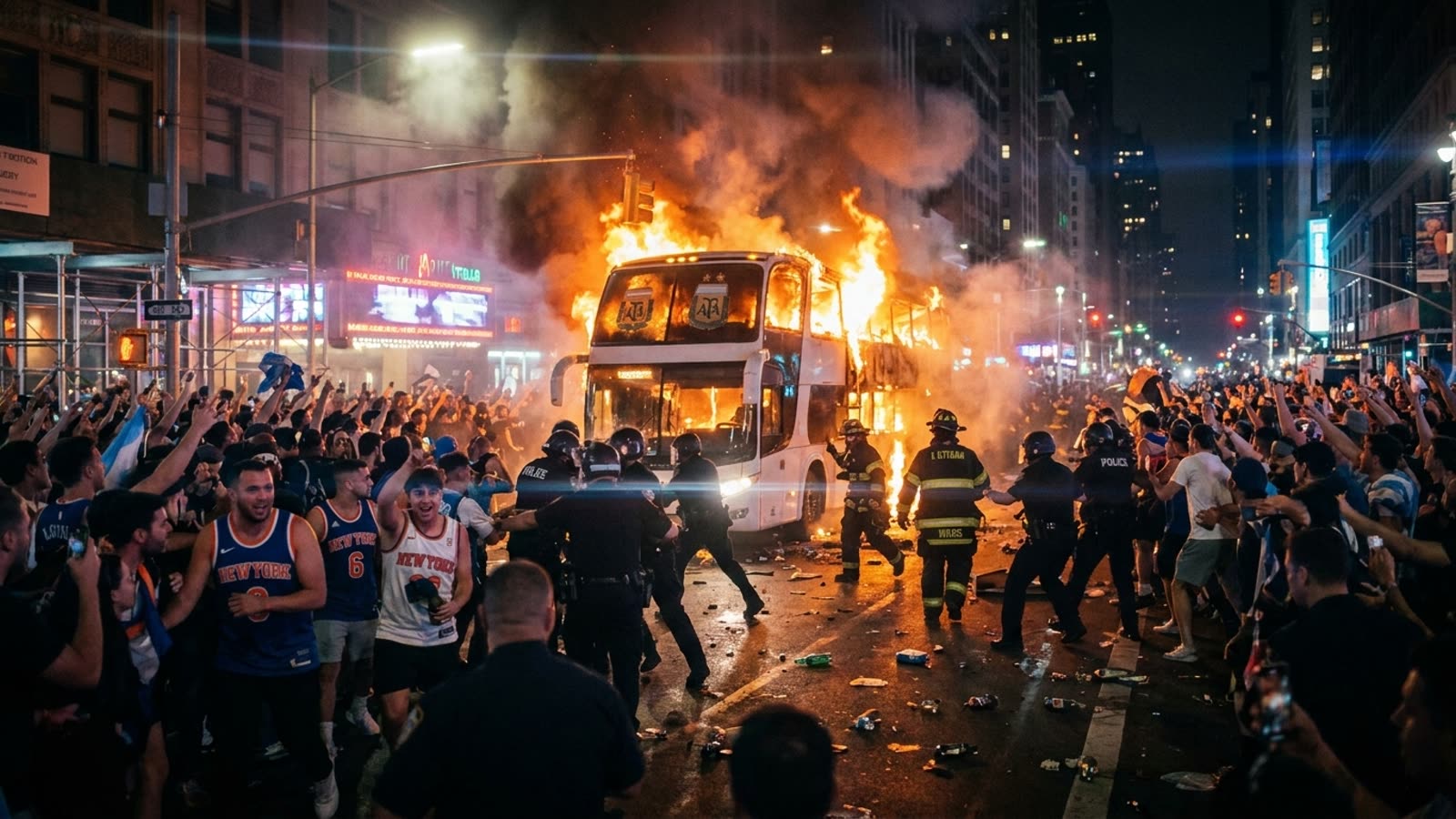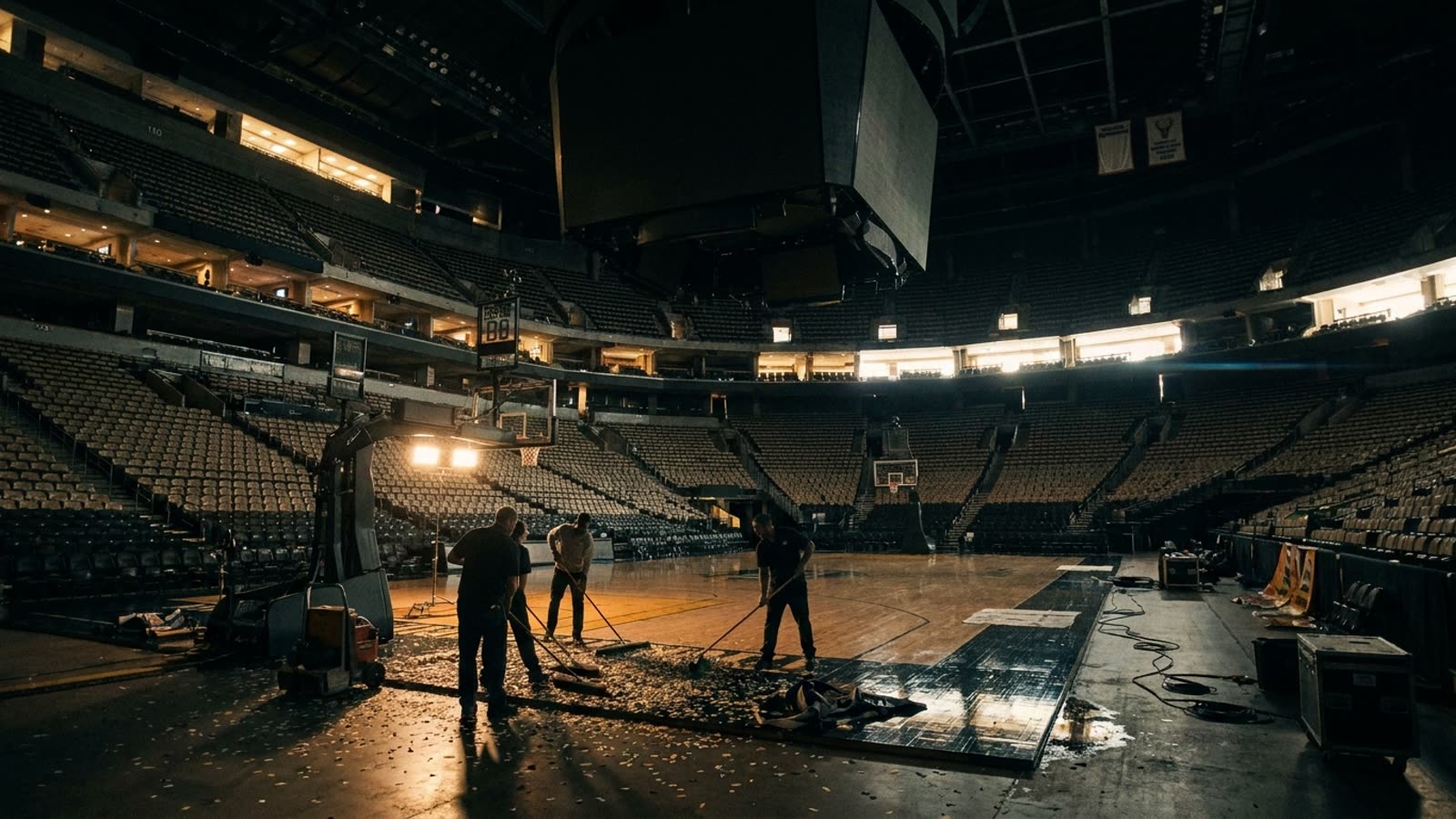
The confetti has settled in Manhattan, Victor Wembanyama is processing the hardest lesson of his young career, and across the league, general managers are already deep into spreadsheets that will determine who hoists the trophy next June.
The 2026 NBA offseason officially begins with a landscape reshaped by New York's first title in over half a century. The Knicks proved that patient roster construction, strategic trades, and the right veteran core can still overcome the superteam model. Now every franchise must answer the same question: what's our path?
The draft equation
The 2026 NBA Draft arrives June 26 with a class that scouts describe as deep rather than top-heavy. No consensus generational talent sits at the top, which means teams picking in the lottery face genuine uncertainty—and genuine opportunity. The San Antonio Spurs, despite their Finals run, hold a protected first-rounder that could prove crucial in accelerating their rebuild around Wembanyama. Teams in the middle of the draft will be hunting for the kind of second-round steals that have defined recent championship cores.
For rebuilding franchises, the calculus is straightforward: accumulate young talent and hope for development. For contenders, it's more complex. Do you trade picks for win-now pieces, or trust your development staff to find rotation players at pick 28?
The free agency chessboard
July 1 brings the annual ritual of midnight meetings, private jets, and cap-space contortions. Several All-Star caliber players hit unrestricted free agency, and the ripple effects of their decisions will reshape the conference hierarchy. Teams with max-slot flexibility are already positioning their pitches. Teams without it are exploring sign-and-trade scenarios that require the kind of multi-party negotiations that make trade deadlines look simple.
The salary cap's modest increase this summer means most franchises are operating in the luxury tax's shadow. Front offices must weigh the cost of keeping their own free agents against the opportunity cost of flexibility. It's the NBA's eternal tension: pay your guys or chase someone else's.
Trade season never ends
The draft-night trade market has become its own ecosystem. Teams that covet specific prospects will package picks and players in deals that won't fully materialize until the commissioner announces the selection. Last year's draft saw more than a dozen trades; this year could exceed that. For contenders, the summer trade market offers a chance to address weaknesses exposed in the playoffs. For lottery teams, it's an opportunity to accelerate timelines by converting picks into proven players—or to extend them by moving veterans for future assets.
Our take
The Knicks' championship should serve as a template, not an anomaly. New York won without a top-five draft pick on the roster, without a max free agent signing in the traditional sense, without the kind of superteam assembly that dominated the previous decade. They won through shrewd trades, player development, and organizational patience. Every front office will study the blueprint this summer. Few will have the discipline to actually follow it. The offseason rewards boldness, but the championship rewards coherence. That tension is what makes the next three months so fascinating—and so treacherous.