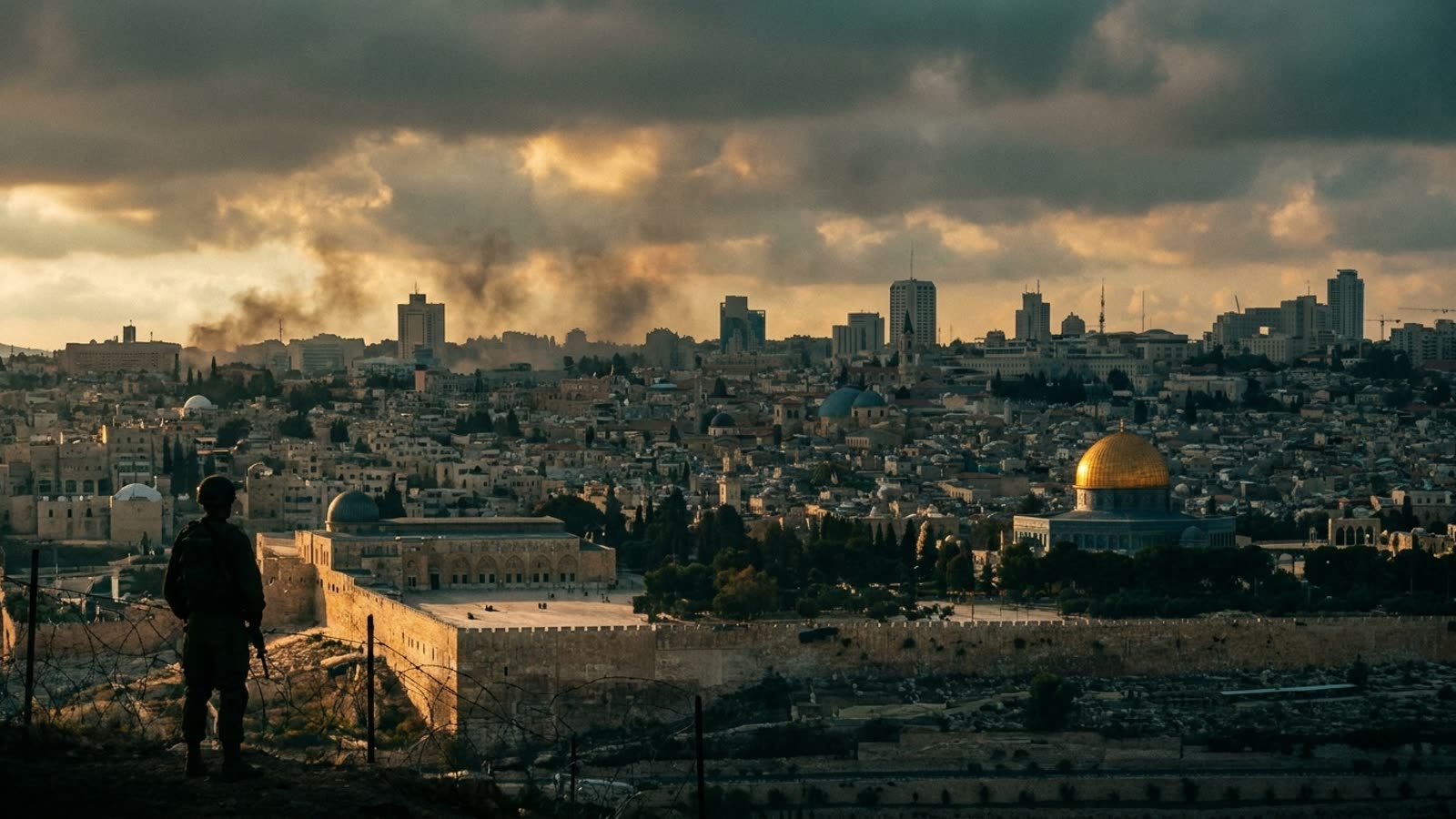
The timing was almost comically bad. Hours before American and Iranian negotiators were expected to finalize terms on what the White House has billed as a historic nuclear agreement, Israeli jets struck Hezbollah positions in southern Lebanon, prompting retaliatory rocket fire into northern Israel. The exchange killed at least a dozen people and reminded everyone involved that the Middle East has its own veto power.
The Iran deal, whatever its final shape, depends on a fiction: that Tehran can deliver regional calm in exchange for sanctions relief. But Hezbollah, Iran's most capable proxy, operates with considerable autonomy, and Israel has made clear it will not subordinate its security calculus to American diplomatic timelines. The result is a triangle of actors, each capable of derailing negotiations that none of them fully controls.
The spoiler dynamic
Hezbollah's leadership faces a genuine dilemma. A successful US-Iran agreement would likely require the group to curtail operations against Israel, at least temporarily, in exchange for economic benefits flowing to Lebanon through reduced Iranian isolation. But Hezbollah's domestic legitimacy rests partly on its posture as the only force willing to confront Israel militarily. Standing down looks like capitulation; escalating looks like sabotage of a deal that could benefit its patron.
Israel's calculations are equally fraught. Prime Minister Netanyahu's coalition includes hardliners who view any Iran deal as existential betrayal, a replay of the 2015 agreement they spent years undermining. Striking Hezbollah now serves multiple purposes: it degrades a genuine threat, signals that Israel will not be bound by American diplomacy, and creates facts on the ground that complicate the agreement's implementation.
Washington's limited leverage
The Biden and now second Trump administrations have both discovered the same uncomfortable truth: the United States can negotiate with Iran, but it cannot negotiate with the entire region. Tehran may genuinely want sanctions relief, but it cannot simply order Hezbollah to stand down without undermining the network of proxies that constitutes much of its regional power. And Washington has no mechanism to restrain Israeli military action short of threatening the alliance itself, which no American president will do.
This leaves the prospective deal in a peculiar limbo. The text may be agreed, the signing ceremony scheduled, the diplomatic communiqués drafted. But the agreement's survival depends on actors who were not at the table and who have strong incentives to ensure it fails.
Our take
The optimistic read is that both Israel and Hezbollah are posturing for leverage, extracting maximum concessions before a deal locks in new constraints. The pessimistic read is that neither side believes the deal will hold and is positioning for the conflict that follows its collapse. History suggests the pessimists usually win in this neighborhood. The diplomats in Vienna and Washington are drafting a peace agreement; the generals in Tel Aviv and Beirut are planning for war. Someone is going to be proven right, and the rest of us will have to live with the consequences.