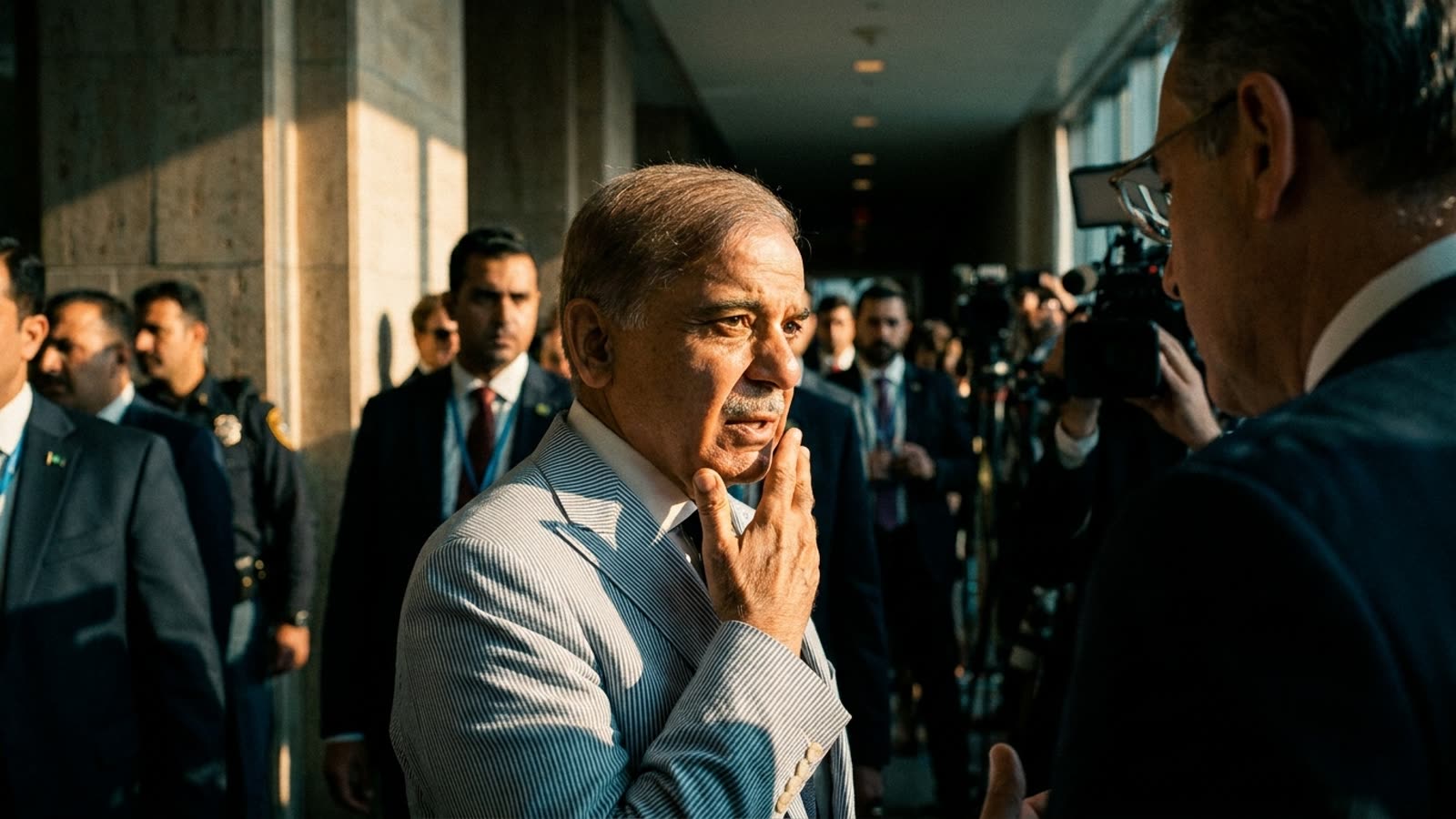
Pakistan's Prime Minister Shehbaz Sharif has inserted his country into the center of the Iran-US negotiations with a striking assertion: a peace deal is near. The claim, which briefly lifted Bitcoin above $64,000 as traders bet on reduced geopolitical risk, represents Islamabad's most consequential diplomatic intervention in years—and a calculated bid to restore Pakistan's relevance in Washington's strategic calculus.
The timing is exquisite. With Trump administration officials signaling that a deal could come as early as Sunday while hedging on specifics, Sharif's statement positions Pakistan as either a credible back-channel participant or an opportunistic claimant to credit that may not be his to take. Either way, Islamabad is forcing itself into a conversation from which it has been largely excluded.
The logic of Pakistani mediation
Pakistan shares a 900-kilometer border with Iran and maintains functional, if occasionally tense, relations with Tehran. It also desperately needs American goodwill. The country's economy remains on IMF life support, its currency has been battered, and its military establishment—the true power behind any Pakistani government—has watched with alarm as India's strategic partnership with Washington has deepened while Pakistan's has withered.
Offering itself as a diplomatic conduit serves multiple purposes. It reminds Washington that Pakistan retains regional utility beyond counterterrorism cooperation. It signals to Tehran that Islamabad can be trusted as an interlocutor. And it gives Sharif's government a foreign policy win to distract from grinding domestic economic pain.
What Pakistan actually knows
The substance behind Sharif's optimism remains opaque. Pakistani officials have not clarified whether they possess independent intelligence about the negotiations or are simply reading the same signals as everyone else. The Trump administration has been characteristically vague, with the president himself suggesting Sunday as a possible date while his negotiators emphasize that timing remains fluid.
What is clear is that any Iran deal would benefit Pakistan materially. Reduced tensions would stabilize energy markets—critical for a country that imports most of its fuel. A sanctions-relief scenario could eventually revive the long-dormant Iran-Pakistan gas pipeline, a project that has languished for decades under American pressure.
Our take
Sharif is playing a weak hand with considerable skill. Pakistan cannot actually deliver an Iran deal, but by claiming proximity to one, it forces Washington to either acknowledge Pakistani relevance or publicly dismiss it—neither of which American diplomats are eager to do while delicate negotiations continue. Whether the gambit pays off depends entirely on whether a deal actually materializes. If it does, Pakistan will claim a seat at the table it may not have earned. If it doesn't, Sharif's statement will be quietly forgotten amid the noise of failed diplomacy. That asymmetry makes the bet nearly costless.