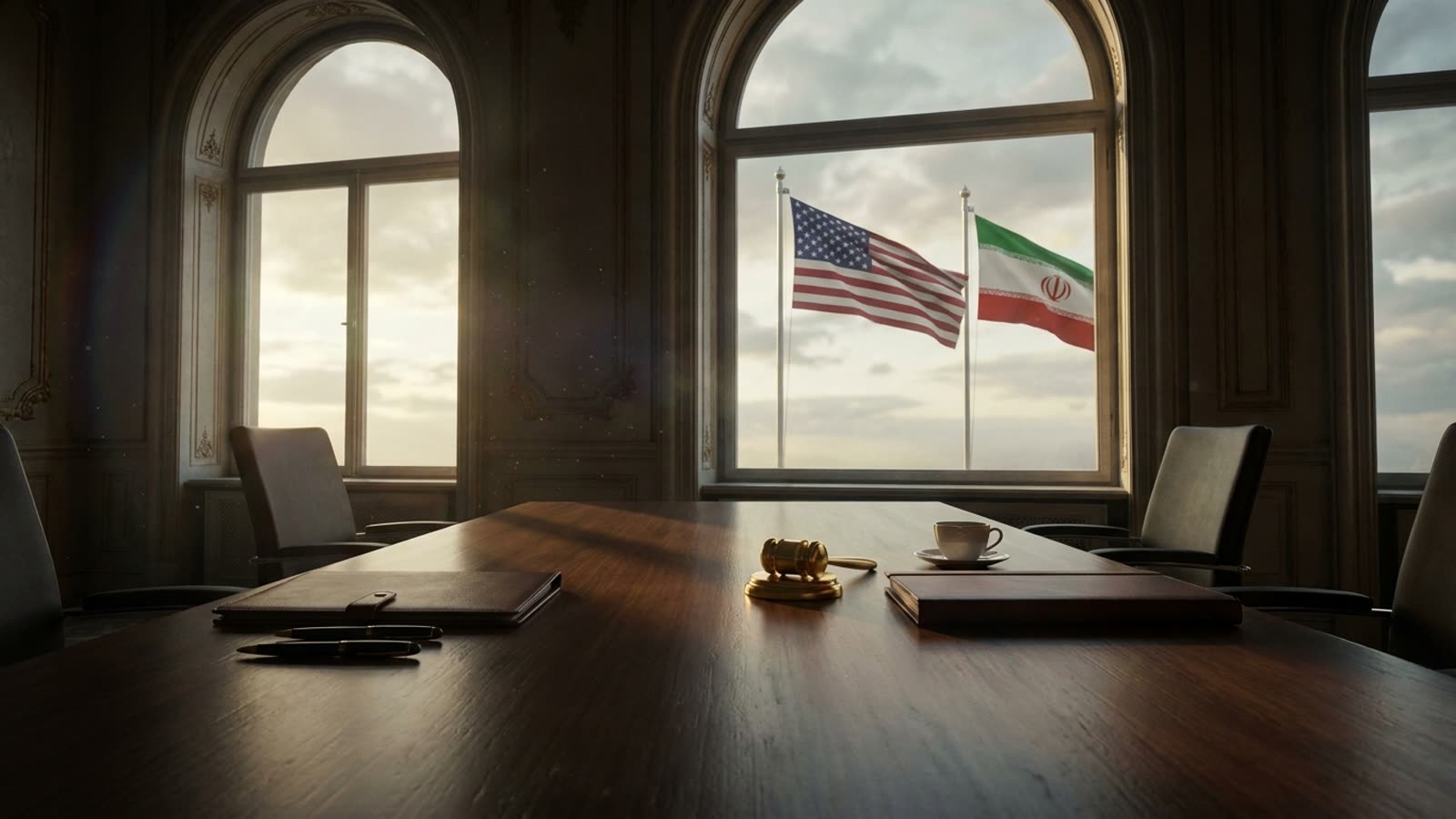
The ceasefire extension deal between Washington and Tehran, announced in the early hours of Thursday morning and now awaiting presidential approval, represents either a genuine diplomatic breakthrough or an elaborate exercise in kicking the can down the road—depending entirely on what Donald Trump does next.
The agreement, brokered through intermediaries over weeks of back-channel negotiations, would extend the current cessation of hostilities while establishing a framework for broader talks on Iran's nuclear program, regional proxies, and sanctions relief. It is, by most diplomatic standards, exactly the kind of preliminary accord that precedes more substantive negotiations. It is also, by Trump's own historical standards, the kind of deal he would have eviscerated had Barack Obama or Joe Biden signed it.
The architecture of ambiguity
What makes this framework notable is less its contents—which remain partially classified—than its construction. The deal reportedly includes sunset provisions, phased sanctions relief tied to verification benchmarks, and language on ballistic missiles that falls well short of the complete dismantlement Trump once demanded. In other words, it bears more than a passing resemblance to the 2015 Joint Comprehensive Plan of Action that Trump withdrew from in 2018, calling it "the worst deal ever negotiated."
The administration's negotiators have apparently argued internally that the current agreement contains stronger verification mechanisms and more explicit language on regional behavior. Critics, including several Republican senators who have seen classified briefings, suggest the differences are largely cosmetic—a JCPOA with different fonts.
The domestic calculus
Trump's decision will be shaped less by the agreement's merits than by its optics. Approval would hand him a foreign policy achievement heading into the 2026 midterms, allowing him to claim he succeeded where predecessors failed. Rejection would satisfy his hawkish base but leave him owning whatever escalation follows—a prospect that has reportedly made some White House advisers nervous given current oil prices and military overstretch.
The timing is particularly awkward. Israeli Prime Minister Benjamin Netanyahu's simultaneous announcement of expanded operations in Gaza has created a regional context that makes any accommodation with Iran politically radioactive among evangelical and pro-Israel constituencies. Trump cannot easily celebrate détente with Tehran while his closest Middle Eastern ally is prosecuting an expanded military campaign against Iranian-backed groups.
Our take
The deal itself is probably fine—a modest, incremental step that reduces immediate risks while deferring harder questions. The problem is that Trump has spent a decade arguing that modest, incremental steps are for suckers. If he signs, he validates an approach to diplomacy he's built his brand denouncing. If he doesn't, he owns the alternative. The framework agreement isn't really about Iran. It's about whether this president can accept a win that doesn't look like total victory.