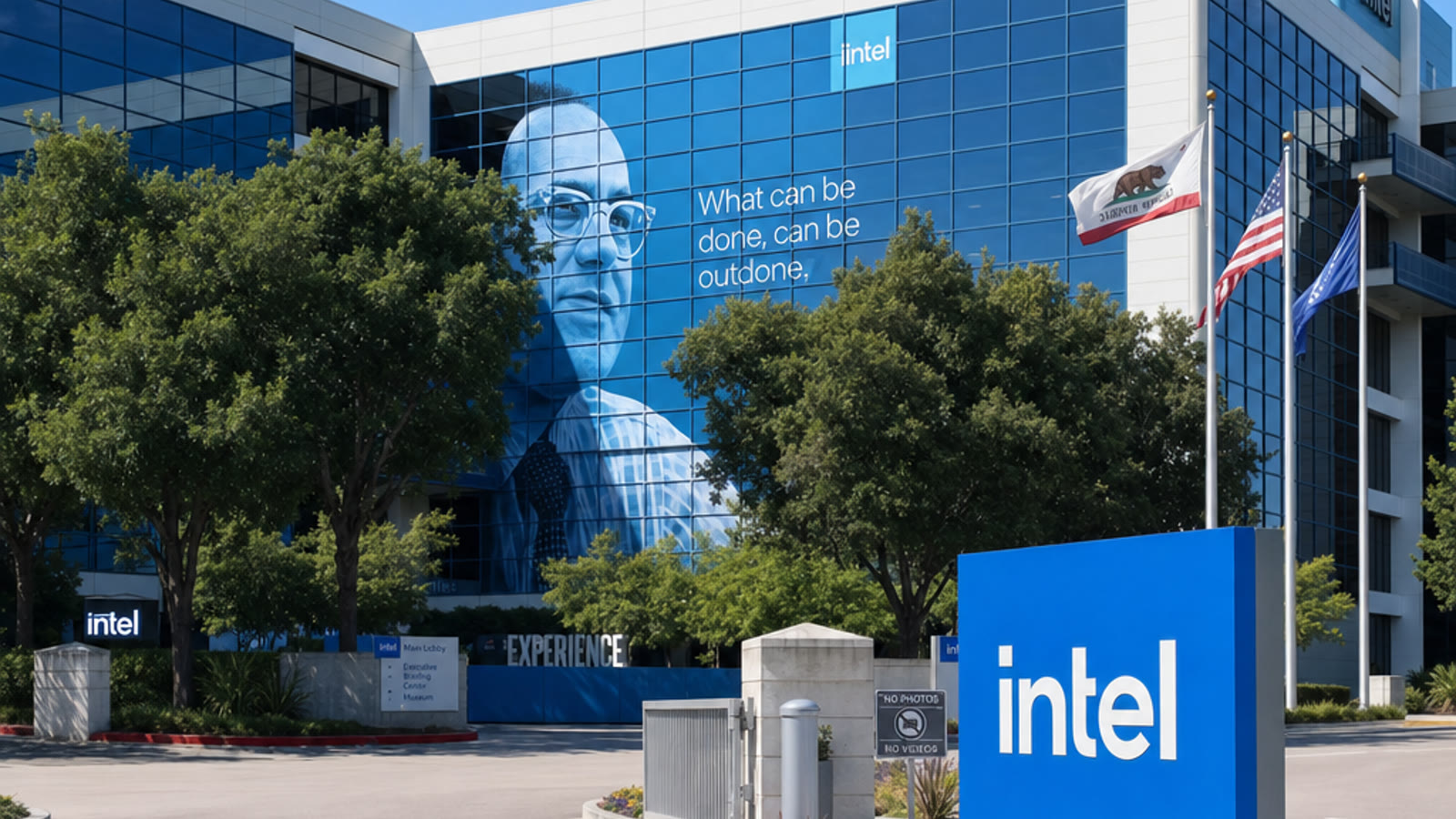
The numbers are striking: Intel shares closed above $130 on Friday, a level the company hasn't seen since the dot-com era, after news emerged of a preliminary deal to manufacture Apple silicon on American soil. But the market's euphoria obscures a more consequential development—the extent to which the federal government is now actively engineering the semiconductor supply chain.
The agreement, still subject to final terms, would see Intel's Arizona fabs produce at least some of Apple's proprietary chips, reversing years of the iPhone maker's exclusive reliance on Taiwan Semiconductor Manufacturing Company. Sources familiar with the negotiations told reporters that White House officials played a direct role in bringing the two companies together, offering unspecified incentives to sweeten the arrangement.
The strategic calculus
For Apple, the logic is partly defensive. TSMC's facilities sit roughly 100 miles from mainland China, and the ongoing conflict in the Persian Gulf has concentrated minds on supply chain vulnerabilities. Tim Cook has spent a decade optimizing for efficiency; he may now be optimizing for resilience. The premium Apple will pay for American-made chips—Intel's manufacturing costs remain higher than TSMC's—is effectively an insurance policy against geopolitical disruption.
For Intel, the deal represents vindication of CEO Pat Gelsinger's bet that the company could reinvent itself as a contract manufacturer. The stock's surge reflects investor belief that this is the first of several such agreements, potentially including defense contractors and hyperscale cloud providers who face their own pressures to diversify away from Asian production.
What Washington wants
The administration's fingerprints on this deal reveal the true priority. The CHIPS Act allocated $52 billion to domestic semiconductor manufacturing, but money alone hasn't been enough to reshape industry economics. Direct matchmaking—reportedly including calls from senior officials to both companies' leadership—suggests a more interventionist posture than previous administrations adopted.
This is industrial policy in its most muscular form, the kind of government-directed capitalism that American policymakers once criticized in East Asian economies. Whether it produces lasting results or merely expensive dependencies remains an open question. TSMC's technological lead is measured in years, not months, and Intel's advanced nodes have repeatedly missed deadlines.
Our take
Intel's stock price reflects a bet on American manufacturing revival. The smarter bet may be on American taxpayers' willingness to fund it. The preliminary Apple deal is less a market outcome than a policy outcome—proof that Washington now views semiconductor self-sufficiency as a strategic imperative comparable to energy independence. That's a defensible position given Taiwan's exposure, but investors should understand what they're actually buying: a company whose fortunes now depend as much on political will as on engineering excellence. Gelsinger has built a better Intel; he's also built one that needs Washington to keep writing checks.