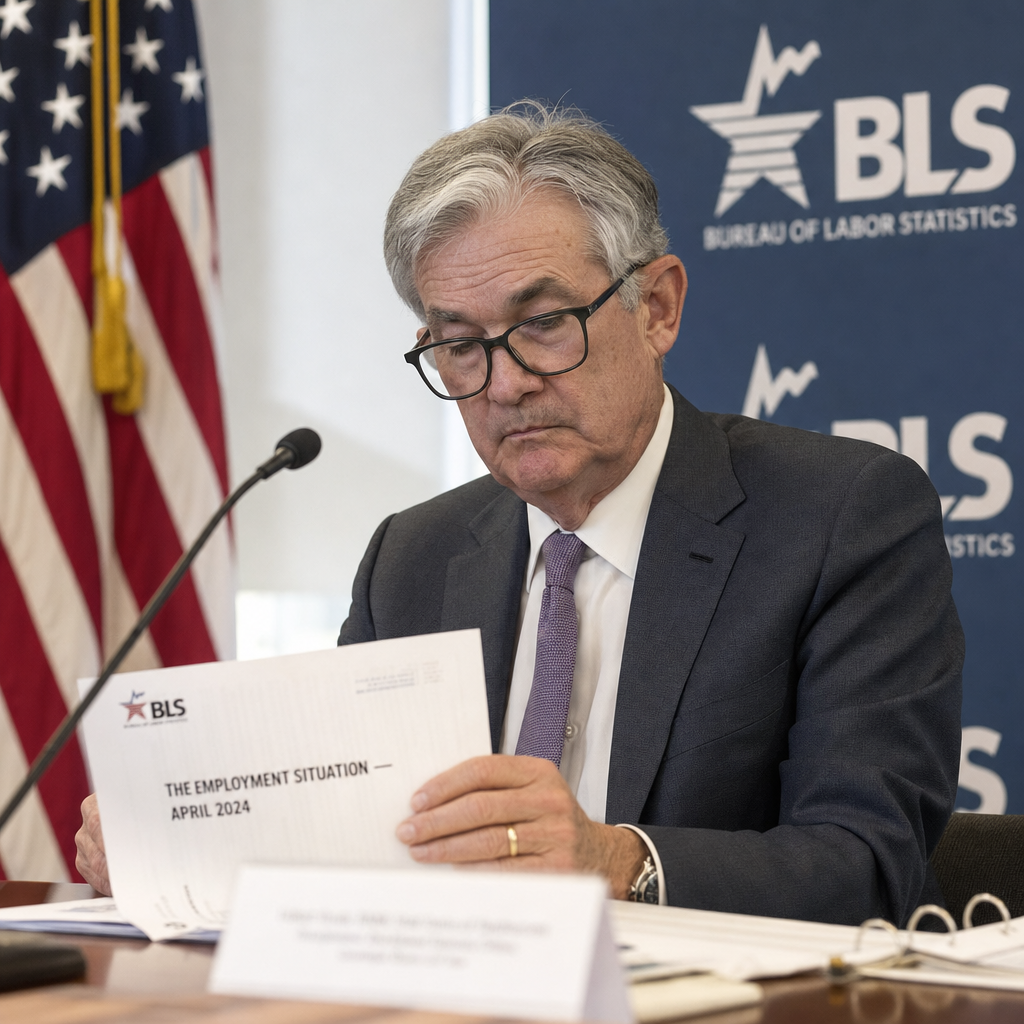
The US economy added 115,000 non-farm jobs in April, the Bureau of Labor Statistics reported Friday morning, nearly double the 60,000 that Wall Street's consensus forecast had penciled in — and the second consecutive month that the labor market has blown past expectations while the country is nominally at war.
The unemployment rate held at 4.3 percent, unchanged from March. Wages grew 0.2 percent month on month, a softer number than the hiring figure but not a worrying one. The three-month average of job creation now sits at 48,000, which is, almost exactly, the breakeven rate economists use to define the number of jobs the US needs each month just to absorb new workforce entrants. In other words: America is still treading water, but it is treading water while carrying a closed Strait of Hormuz.
How this is even possible
The obvious question, which every trading desk in Manhattan spent the morning asking, is how an economy can post a strong jobs print while gasoline is above six dollars a gallon in California, airfreight costs have doubled since March, and Boeing is missing delivery dates because of insurance-underwriting snags in the Gulf. The BLS data offers a partial answer. Retail added 29,000 jobs in April. Transportation and warehousing added 21,000. Health care, the most reliable engine of US hiring since 2023, added another 48,000 on its own.
Thomas Ryan, the North America economist at Capital Economics, called the report "encouraging" in a note to clients, pointing specifically to the retail and transport numbers as "a relatively positive signal about the health of discretionary spending, despite the hit to consumers' purchasing power from higher gasoline prices." In plainer English: Americans are not (yet) saving their way through the oil shock; they are hiring cashiers and truck drivers through it.
The Fed's problem just got harder
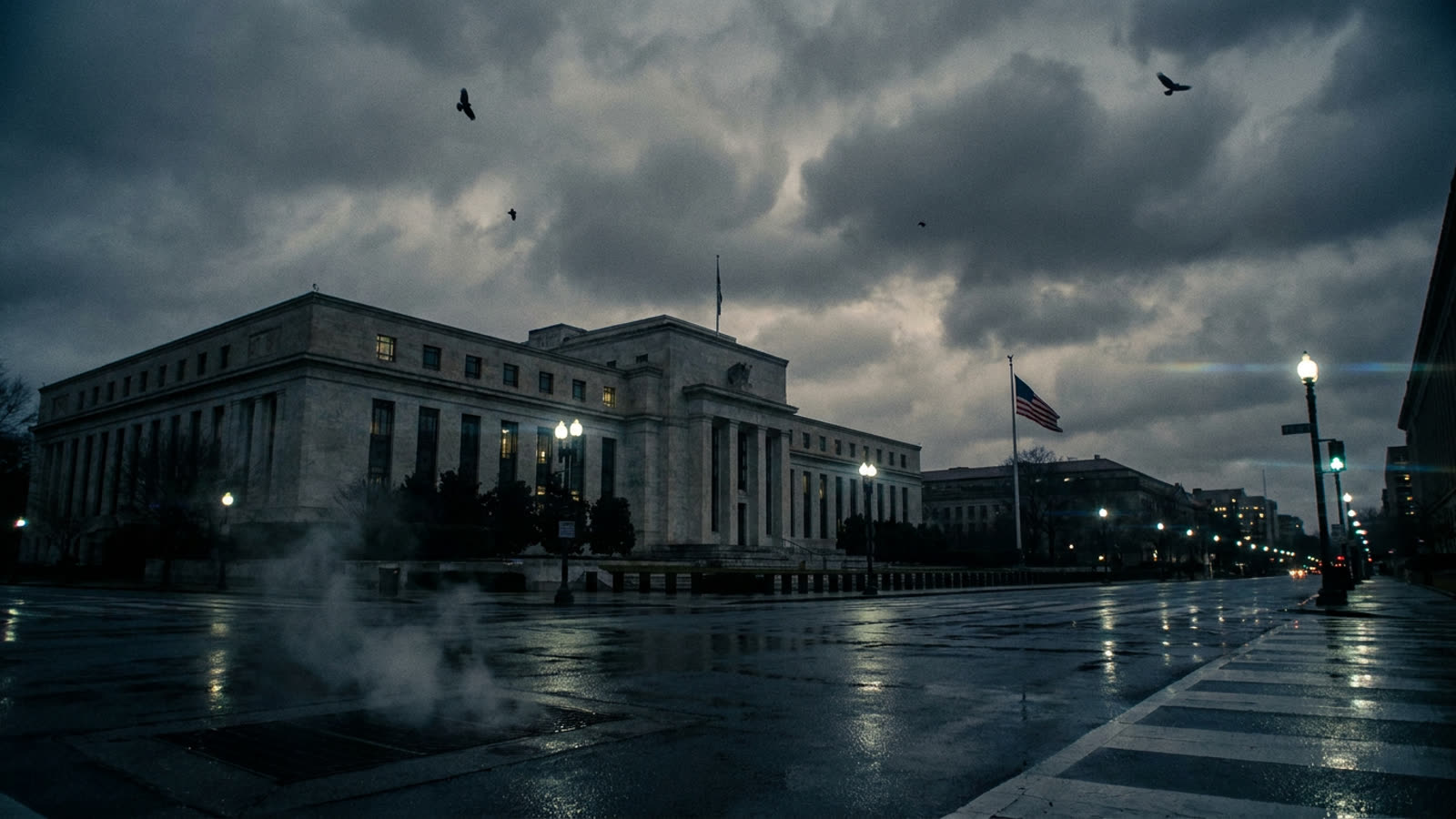
For Federal Reserve Chair Jerome Powell, Friday's report is a migraine. The Fed's base case since the Iran war broke out has been that it will hold rates at the current 4.25–4.50 percent band until the inflation picture clears. A weak jobs number would have given the committee political cover to begin easing. A strong jobs number, combined with gasoline-driven headline inflation that already ticked up to 3.4 percent in April, is precisely the combination that makes a rate cut impossible.
Markets absorbed the report more or less as expected. The S&P 500 rose 0.8 percent. The Dow added 0.2 percent. Two-year Treasury yields climbed nine basis points as traders priced in exactly one rate cut for the rest of 2026, most likely in December. Samuel Tombs of Pantheon Macroeconomics agreed with that timeline, and warned that the unemployment rate could drift up to 4.7 percent by year-end as the gasoline shock finally bites consumer demand.
The White House's tricky victory lap
The Trump administration was quick to take credit. Treasury Secretary Scott Bessent called the report "evidence of a resilient American worker in the face of unprecedented global headwinds." What he did not say is that a strong jobs print while gasoline is this expensive is politically double-edged: it makes it harder to argue that the Iran war is hurting ordinary Americans, which is both good news for the administration's war support and bad news for its case that the Fed must cut rates.
Our take
The April jobs number is a genuine surprise, and the retail-and-transport strength suggests the oil shock has not yet fed through to consumer behavior — but "yet" is doing a lot of work in that sentence. Wait one more month. If May prints under 50,000, this was the top. If it prints above 100,000 again, the American economy has developed a stranger kind of war immunity than any of us understood.