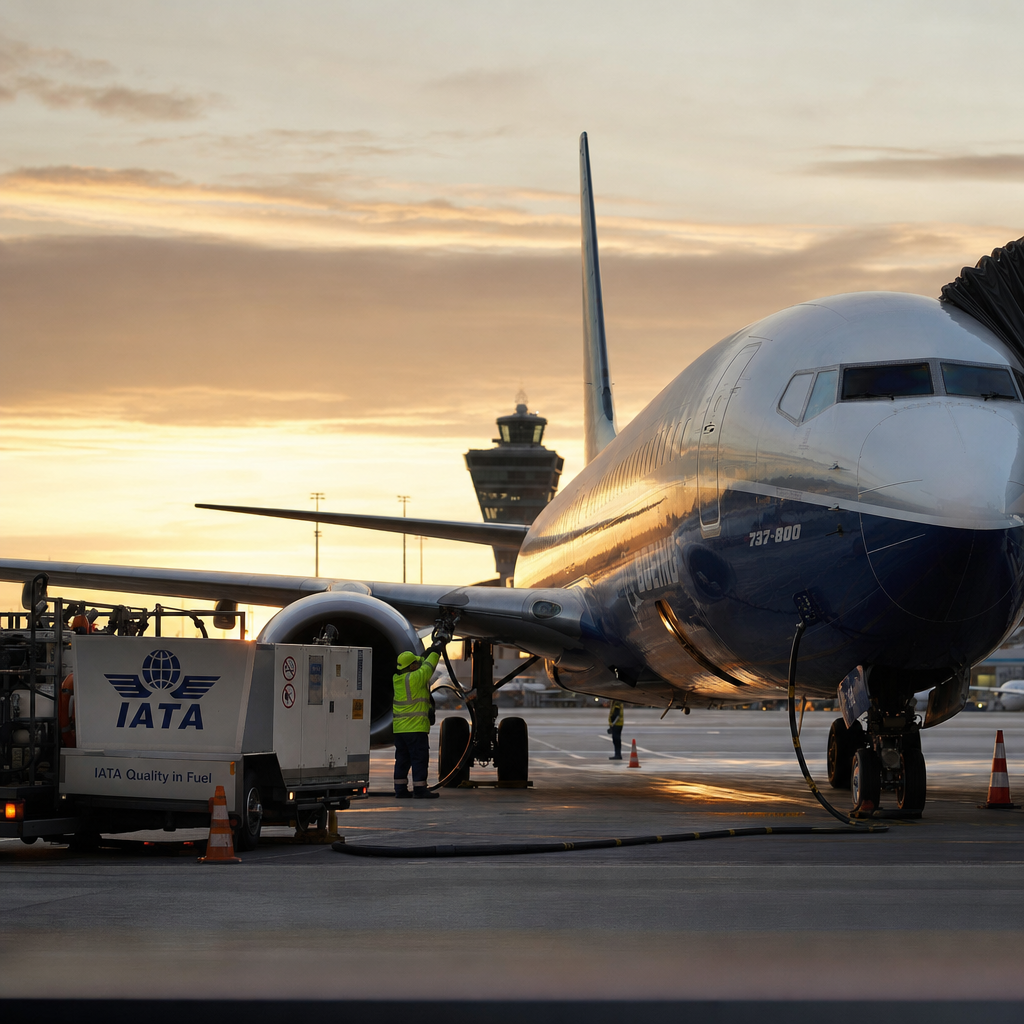
The International Air Transport Association is urging European regulators and airport operators to widen acceptance of US-specification jet fuel, warning that the continent risks supply bottlenecks as summer travel demand approaches record levels. The proposal, outlined in a technical briefing circulated to aviation ministries this week, argues that the tiny chemical differences between American ASTM D1655 fuel and Europe's Def Stan 91-091 specification do not justify the logistical barriers that currently restrict cross-Atlantic cargoes.
Europe's jet fuel market has been tightening since early spring, when refinery maintenance in the Netherlands and ARA storage hub turnover reduced available inventories. At the same time, Russian product flows remain banned under EU sanctions, and disruptions to Middle East shipping routes during the Iran conflict have complicated deliveries from the Persian Gulf. IATA said traders and airlines have been warning privately of thinner buffers than at any point since the post-Covid travel rebound.
US refiners, meanwhile, are producing record volumes of jet fuel, buoyed by cheap domestic crude and steady domestic demand. Exports from Gulf Coast terminals have historically flowed to Latin America, but major trading houses including Vitol and Trafigura have quietly rerouted cargoes toward Rotterdam and Hamburg in recent weeks. The bottleneck, IATA says, is contractual and regulatory, not physical — certain European airport fuel consortia still require additional certification before uploading US-origin product.
The proposal has already drawn pushback from European refiners, who argue that loosening specifications could undercut their investments in sustainable aviation fuel and weaken demand for domestic production. Groups representing BP, Shell and TotalEnergies refining assets say Europe should address supply by accelerating SAF mandates and freeing up strategic reserves, not by importing more fossil product.
For airlines, the math is simple. Every cent per gallon on jet fuel translates into tens of millions of dollars in annual cost. Willie Walsh, IATA's director general and former British Airways boss, told a briefing that Europe's summer schedule is already "finely balanced" and that any disruption could cascade into widespread cancellations. Ryanair, EasyJet and Lufthansa have all filed scenario plans with regulators in case of regional fuel rationing.
Our take
This is a classic case of letting perfect be the enemy of good. US jet fuel is effectively identical to Europe's. If the alternative is grounded flights and angry passengers, regulators will find a way. Expect a quiet compromise before the summer peak — with European refiners pocketing just enough concessions to stay quiet.