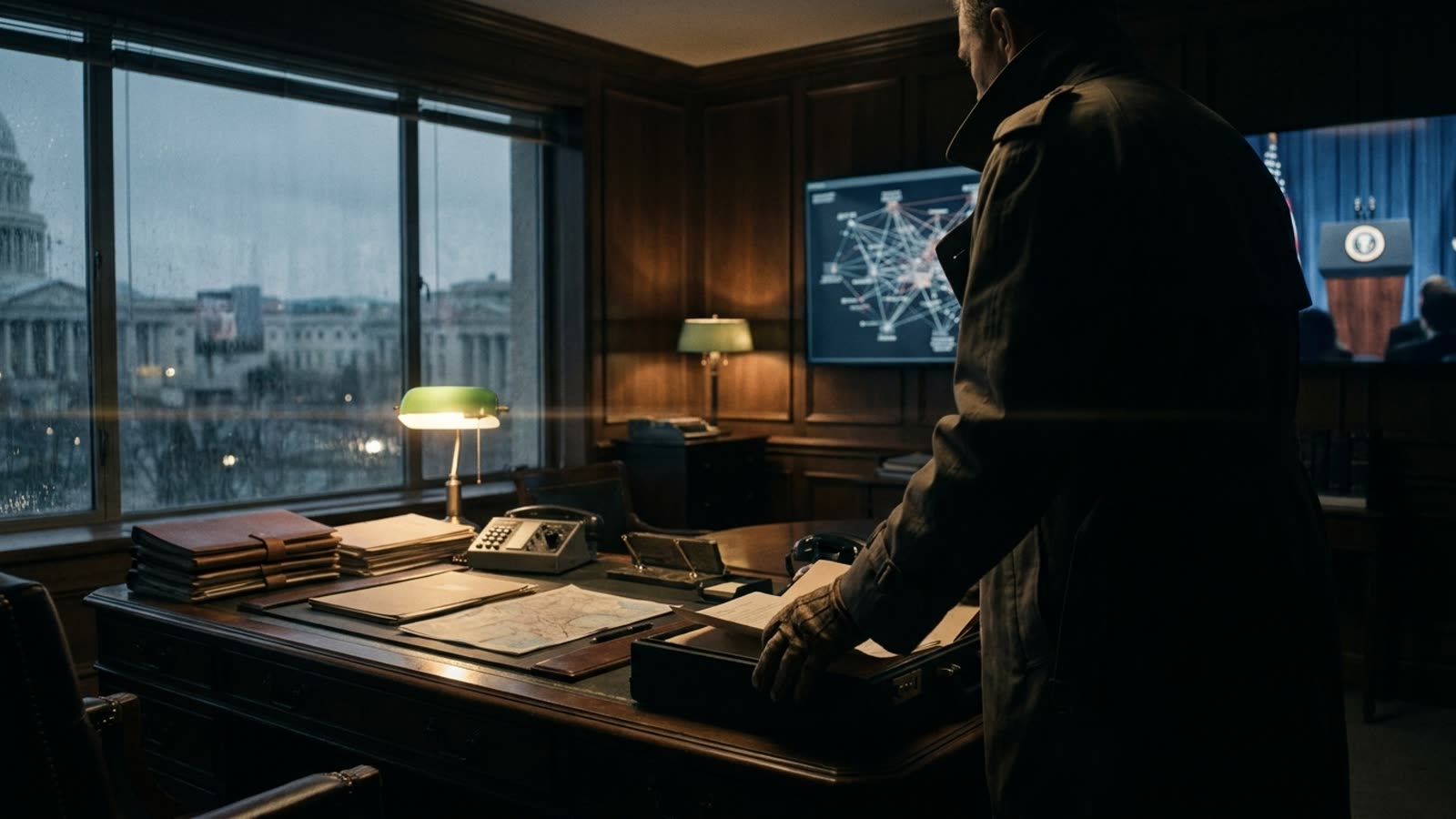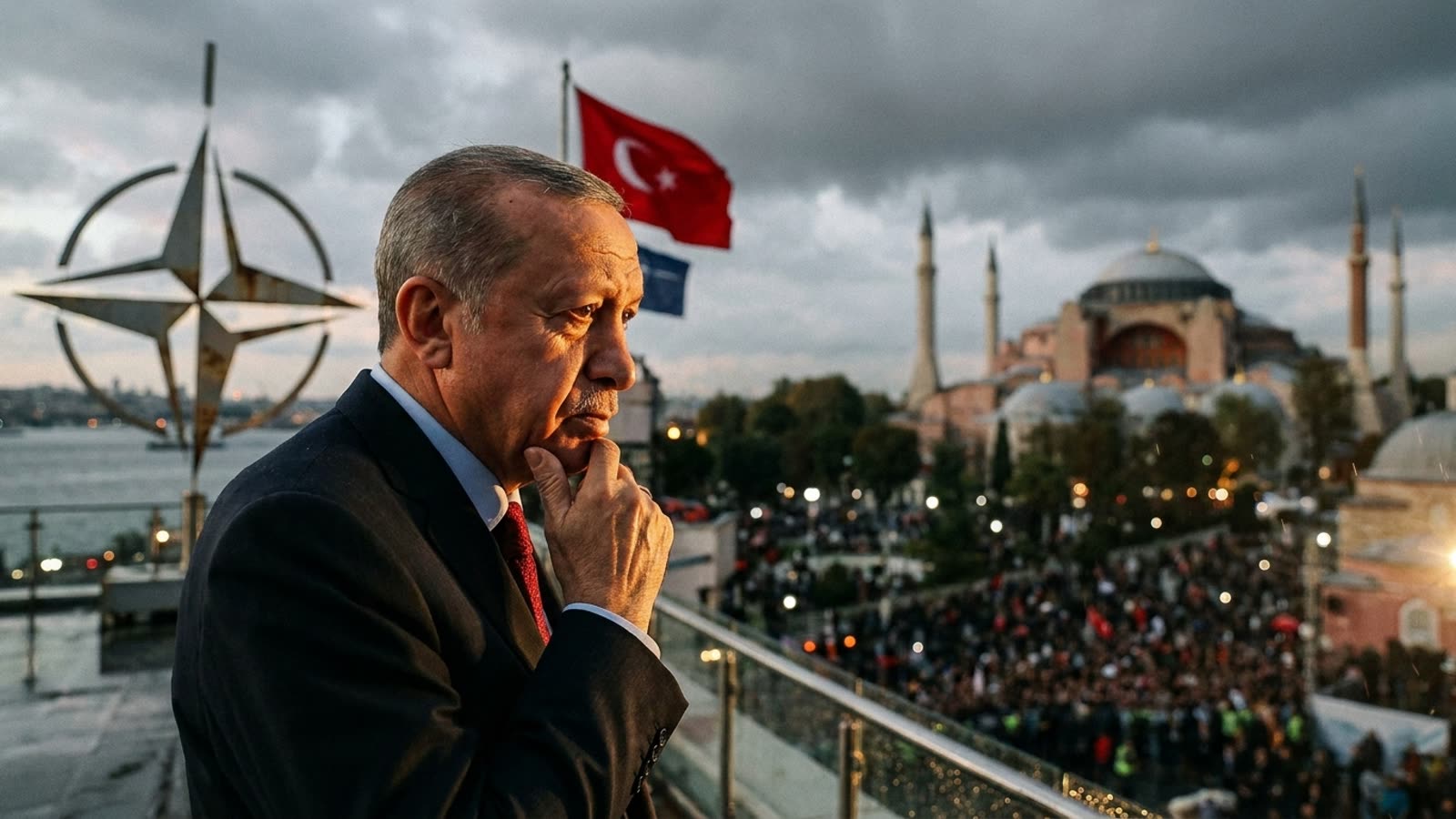
The choice of Istanbul for this week's NATO summit was supposed to be a compromise—a nod to Turkey's geographic importance without endorsing Recep Tayyip Erdoğan's democratic backsliding. Instead, it has handed the Turkish president precisely the stage he craves: mediator-in-chief between Donald Trump and an alliance that fears abandonment.
Erdoğan's pitch is simple. He speaks Trump's transactional language, maintains working relationships with both Moscow and Washington, and controls the Bosphorus. In a NATO increasingly defined by who can get through to the American president, Turkey is offering itself as the switchboard operator.
The diplomatic geometry
The summit arrives at a moment of acute anxiety. Deadly Russian strikes hammered Kyiv just hours before Trump's departure for Istanbul, a reminder that Moscow times its violence for maximum diplomatic effect. European leaders want binding commitments on Ukraine's security architecture. Trump wants burden-sharing metrics and photo opportunities. Erdoğan wants both sides to owe him favors.
Turkey's leverage is real. It blocked Swedish NATO membership for eighteen months, hosts critical alliance infrastructure, and maintains the only direct military channel to Russia among NATO members. When Trump complained last year that European allies were freeloading, Erdoğan conspicuously agreed—while quietly noting that Turkey meets its two-percent spending target.
Why the flattery might land
Trump's relationship with traditional European allies remains brittle. His recent public needling of Italy's Giorgia Meloni—once considered a natural ideological partner—underscores how personal chemistry trumps political alignment in this White House. Erdoğan, by contrast, has cultivated Trump since their first meeting in 2017, deploying a combination of deference and strongman camaraderie that the American president finds congenial.
The risk for NATO is that Turkey's mediation comes with strings. Erdoğan wants sanctions relief, defense technology transfers, and American acquiescence on Kurdish policy. If he delivers Trump a summit that looks like a success—smiling leaders, vague communiqués, no public ruptures—he will expect payment.
Our take
Erdoğan is playing a weak hand brilliantly. Turkey's economy is fragile, its democratic credentials are shot, and its military adventurism has alienated neighbors. Yet here he is, hosting the most consequential NATO summit in years, positioned as the one leader who can translate between Washington and everyone else. The alliance may emerge from Istanbul intact, but it will owe that survival partly to a president whose commitment to its values remains deeply ambiguous. That is the price of depending on whisperers.