When you receive a lease renewal notice with a rent increase, you probably assume your landlord sat down, reviewed the market, and picked a number. You would be wrong. In most professionally managed apartment buildings, that figure was generated by software that knows more about your willingness to pay than you do yourself.
The modern science of rent-setting borrows heavily from the airline industry's yield management revolution of the 1980s. Just as American Airlines discovered it could maximize revenue by constantly adjusting seat prices based on demand signals, property management companies realized that apartments are perishable inventory. An empty unit for one month is revenue lost forever.
The rise of revenue management software
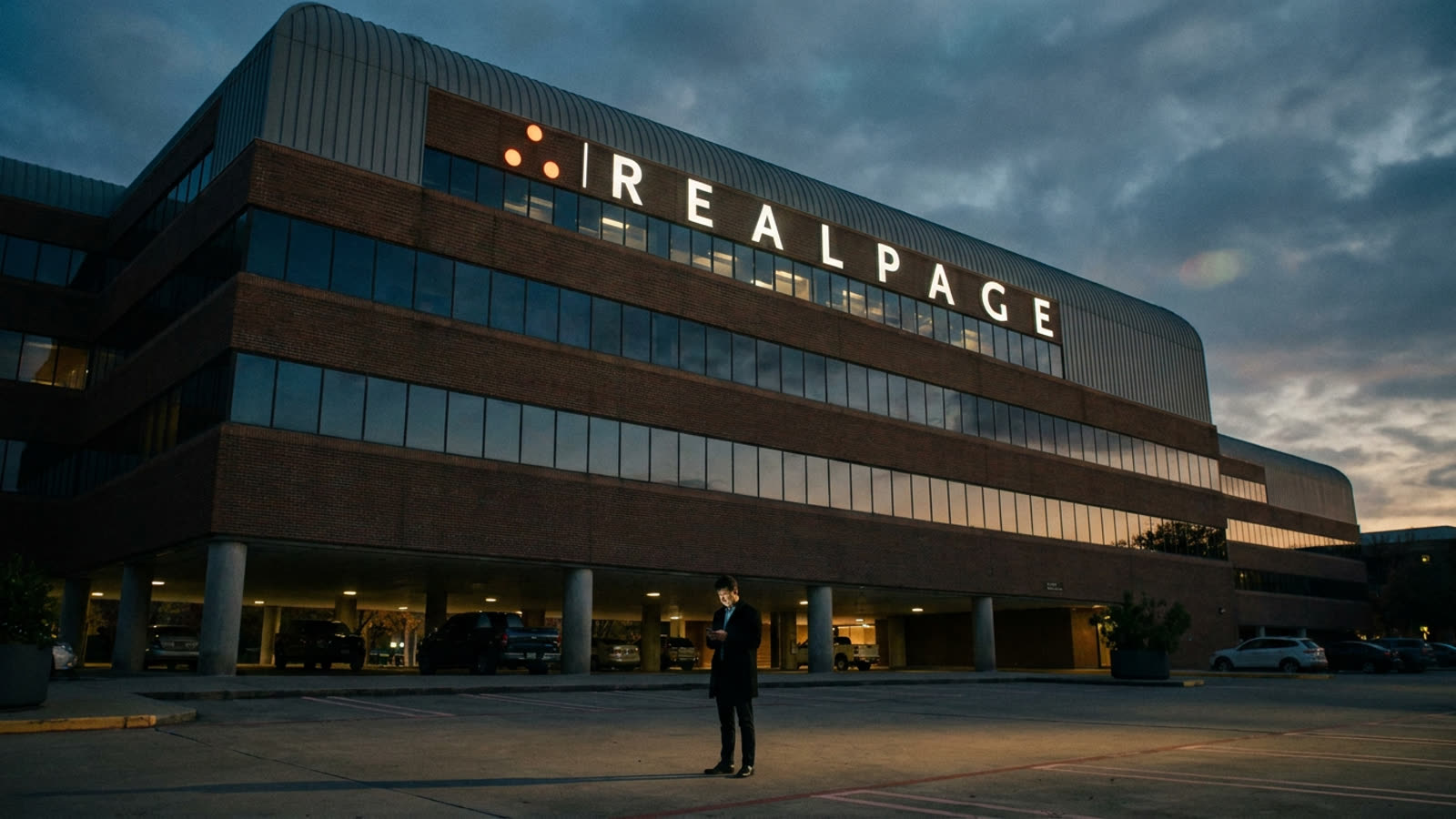
Companies like RealPage, Yardi, and Entrata now dominate multifamily housing. Their systems ingest vast quantities of data: local vacancy rates, competitor pricing, seasonal demand patterns, lease expiration clustering, even the day of the week a prospective tenant inquires. The algorithm then recommends a price designed to minimize vacancy while maximizing rent — often updated daily.
The key insight these systems exploit is that most renters have high switching costs. Moving is expensive, time-consuming, and psychologically taxing. A tenant who has lived somewhere for three years, accumulated furniture that fits the space, and established routines is unlikely to move over a modest increase. The software knows this. It calculates the "pain threshold" — the increase percentage at which tenants historically start leaving — and prices just below it.
The vacancy rate paradox
Classical economics suggests that landlords in competitive markets should lower rents when vacancies rise. Reality is messier. Many institutional owners would rather hold a unit empty for weeks than cut the asking rent, because a lower headline price can depress the perceived value of the entire building and affect future lease negotiations.
This explains the strange phenomenon of luxury buildings advertising months of free rent rather than simply lowering the base price. The "net effective rent" might be identical, but the gross rent on paper stays high, preserving the building's positioning and the landlord's leverage in future renewals.
What tenants miss
Most renters negotiate poorly because they lack information asymmetry. Your landlord knows the building's current vacancy rate, the average days-on-market for comparable units, and how your renewal timing affects their cash flow projections. You know what Zillow says and what your neighbor mentioned in the elevator.
The most powerful leverage a tenant has is timing. Landlords dread lease expirations in winter, when demand craters. A tenant whose lease expires in February has more negotiating room than one renewing in June. The software knows this too, which is why many buildings now stagger lease terms to avoid clustering.
Our take
Rent-setting has become a genuine science, and tenants are largely unaware they are playing against sophisticated algorithms. This is not inherently nefarious — landlords have legitimate reasons to optimize revenue — but it does mean the casual renter is bringing intuition to a data fight. Understanding that your rent is not a number your landlord invented but rather the output of a system designed to extract maximum willingness-to-pay might not lower your bill, but it should change how you negotiate.