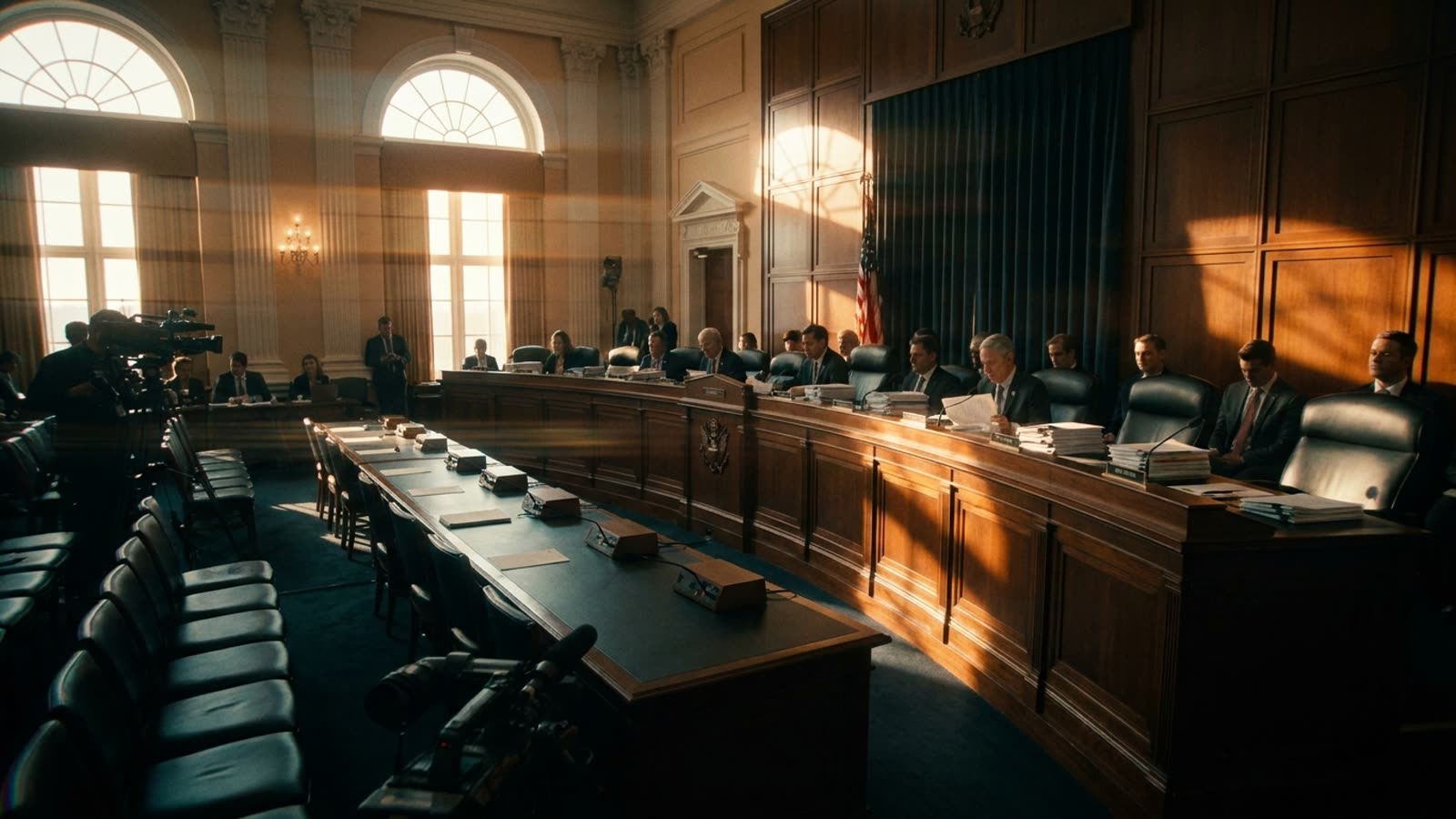
The European Commission occupies a constitutional twilight zone that has no real parallel in democratic theory. It is not a cabinet, because no electorate chose it. It is not a civil service, because it proposes laws. It is not a court, because it enforces them. Yet this body of twenty-seven commissioners—one per member state—initiates virtually every piece of binding legislation that governs the European Union's single market, from the curvature of bananas to the breakup of tech monopolies.
This institutional strangeness is not an accident. It is the point.
The monopoly on initiative
The Commission's defining power is its exclusive right to propose EU legislation. The European Parliament, directly elected by citizens, cannot introduce bills. The Council of the European Union, composed of national ministers, cannot either. Both chambers can amend, reject, or request proposals, but the pen belongs to the Commission. This arrangement was designed in the 1950s to prevent the largest member states from dominating the agenda. A neutral arbiter, the thinking went, would protect smaller nations and keep the European project from collapsing into Franco-German diktat.
The result is an executive that derives its legitimacy not from popular mandate but from procedural neutrality—a concept that satisfies almost no one in an era of democratic discontent. Eurosceptics see an unaccountable bureaucracy imposing rules on sovereign parliaments. Federalists see a timid institution that hides behind technocracy when bold political leadership is required.
Guardian of the treaties
Beyond legislation, the Commission acts as enforcer. It monitors whether member states comply with EU law and can haul governments before the European Court of Justice. It approves or blocks mergers, levies antitrust fines that run into the billions, and decides whether national subsidies distort the single market. When Poland's government clashed with Brussels over judicial independence, it was the Commission that triggered the rule-of-law mechanism threatening to freeze EU funds.
This prosecutorial role makes the Commission simultaneously indispensable and resented. National capitals rely on it to keep competitors honest while bristling when the spotlight turns on their own practices.
The appointment ritual
Commissioners are nominated by their home governments and confirmed, as a college, by the European Parliament. The Commission president is proposed by the European Council—heads of state meeting in summit—after considering the results of European elections, though the link between ballot box and presidency remains contested. The Parliament can dismiss the entire Commission through a censure vote, a nuclear option never successfully deployed.
Critics note that individual commissioners cannot be removed, creating a body that is collectively accountable but individually untouchable. Supporters counter that this insulation allows the Commission to resist short-term populist pressures and defend long-term treaty commitments.
Our take
The Commission is the EU's answer to a genuinely hard problem: how do you build supranational governance among democracies that refuse to become a single democracy? The solution—a technocratic executive with vast regulatory reach but shallow electoral roots—was never going to inspire affection. It was designed to inspire trust, or at least acceptance, through competence and impartiality. Whether that bargain still holds in an age of resurgent nationalism is the central question of European politics, and the Commission itself has no good answer.