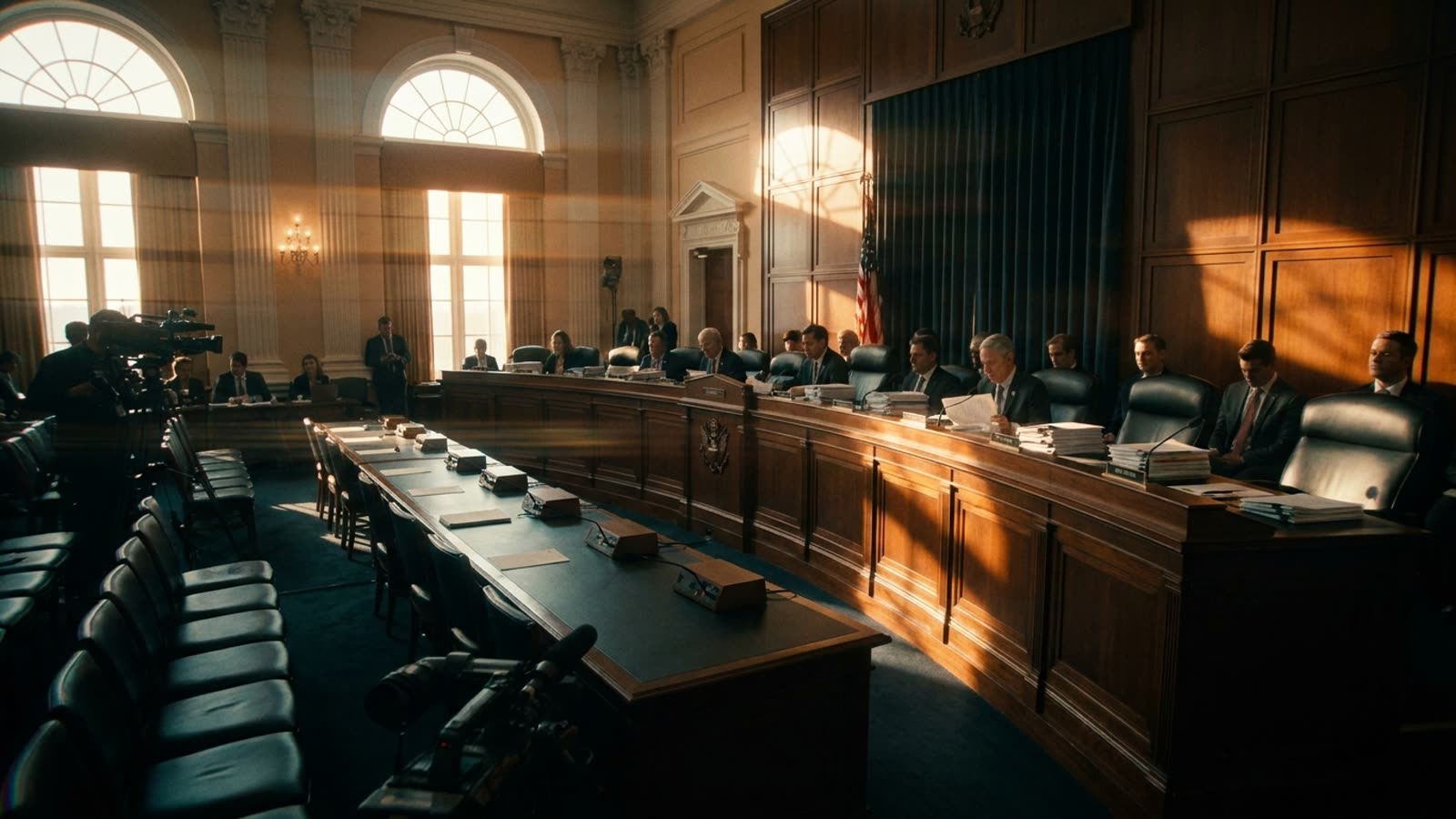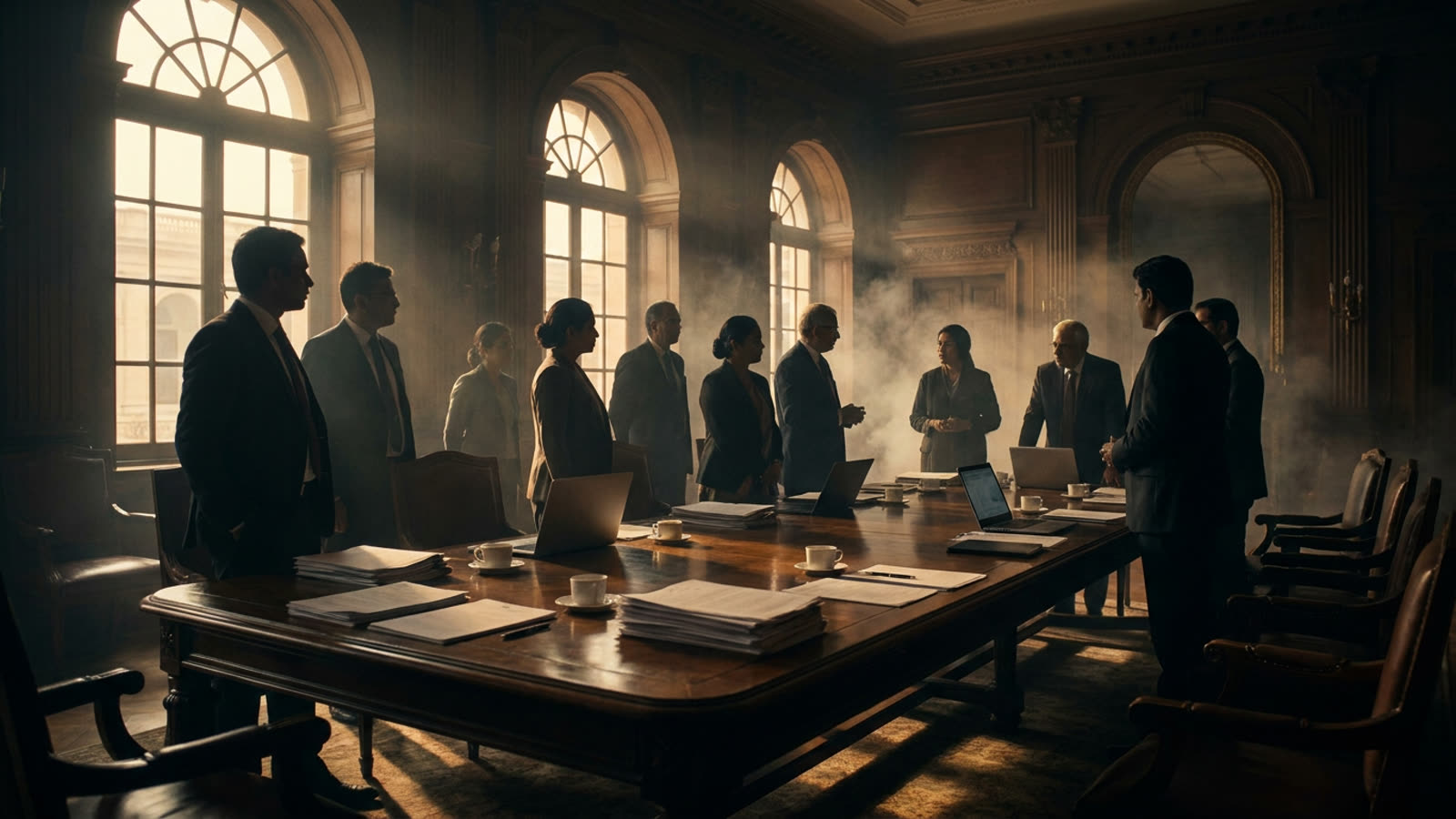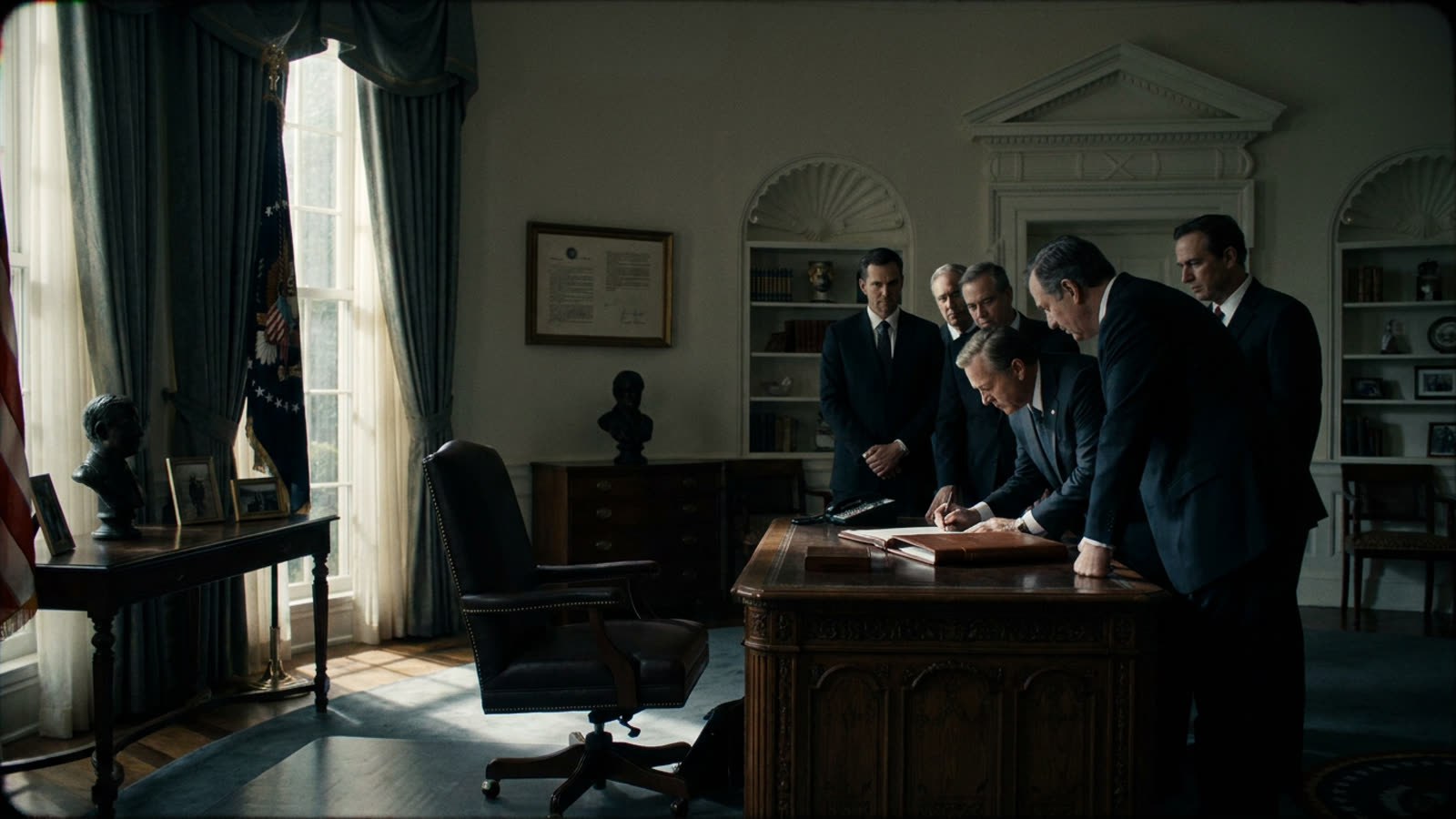
The photograph is always the same: leaders in dark suits, fountain pens poised, flags arranged with geometric precision. What the camera never captures is the preceding months—sometimes years—of procedural combat that made the moment possible. Treaty negotiation is one of the oldest and least understood crafts in statecraft, a discipline where success depends less on eloquence than on mastering an arcane choreography of bracketed text, corridor diplomacy, and strategic exhaustion.
The process begins long before anyone enters a negotiating room. Foreign ministries first engage in what practitioners call "pre-negotiation"—informal consultations to determine whether formal talks are even worth attempting. This shadow phase can last longer than the official negotiations themselves. States probe each other's red lines, identify potential coalition partners, and quietly establish the parameters of what might be achievable. Many treaties die here, their stillborn drafts never reaching public awareness.
The grammar of compromise
Once formal negotiations commence, they follow conventions that would bewilder most corporate dealmakers. Text is developed through a process of "bracketing," where disputed language is placed in square brackets until consensus emerges. A single article might contain nested brackets within brackets, each representing a different country's objection. The goal is not to resolve disagreements immediately but to make them visible and manageable.
Delegations operate under strict hierarchies. Junior diplomats handle technical annexes while senior negotiators reserve their interventions for politically sensitive provisions. The lead negotiator—often called the "sherpa" in summit contexts—must balance domestic political constraints against the imperative to reach agreement. They develop an almost telepathic understanding of their counterparts' flexibility, reading subtle signals that indicate when a stated position is genuinely immovable versus merely theatrical.
The endgame ritual
As deadlines approach, negotiations enter a phase diplomats call the "tunnel"—extended sessions where delegations are essentially sequestered until agreement emerges or talks collapse. Sleep deprivation becomes a negotiating tool. Experienced practitioners know that concessions offered at three in the morning carry different political weight than those made in daylight. The chair—typically a neutral party or the host country—plays an increasingly active role, producing "clean text" proposals that attempt to bridge remaining gaps.
The final hours often feature a ritual known as "nothing is agreed until everything is agreed." This principle allows negotiators to make provisional concessions without being locked in, maintaining leverage until the complete package is acceptable. It also means that agreements can unravel spectacularly at the last moment if one party decides the overall balance has shifted against them.
Our take
The opacity of treaty-making serves a purpose: it allows diplomats to retreat from positions their publics might consider non-negotiable. But this same opacity breeds democratic suspicion, feeding narratives that elites negotiate away national interests behind closed doors. The craft's survival depends on delivering results that, upon inspection, prove defensible to skeptical electorates. When it works, treaty-making represents humanity's most sophisticated mechanism for converting competing interests into shared rules. When it fails, we are reminded how thin the membrane of international order truly is.