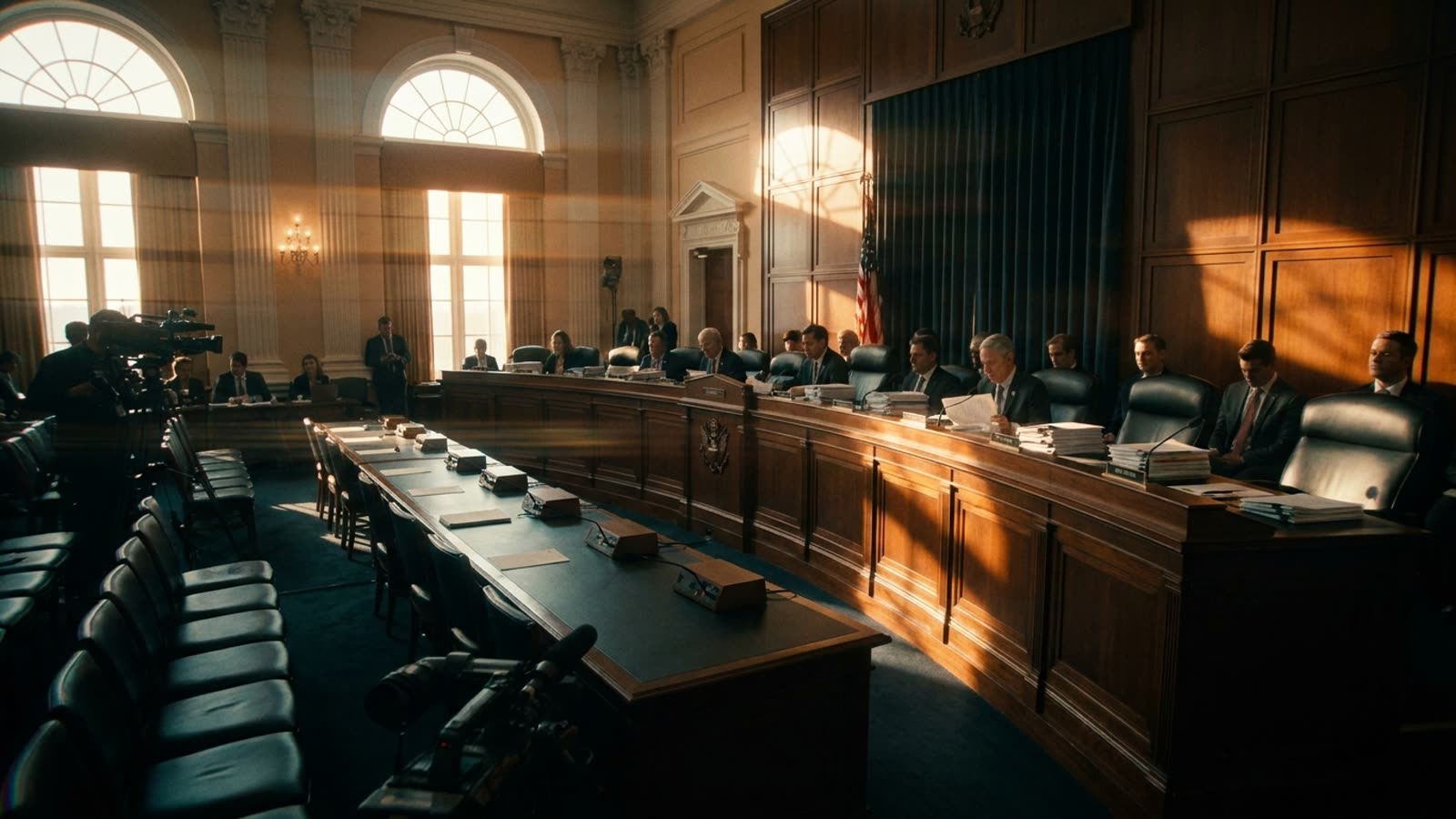
Every piece of legislation that reaches the House floor must first pass through a committee of just thirteen members who decide not whether it should become law, but whether anyone gets to vote on it at all. The House Rules Committee is the traffic controller of American democracy, and its power lies precisely in its obscurity.
While flashier committees hold televised hearings and generate headlines, Rules operates in the procedural shadows. It determines which amendments can be offered, how long debate will last, and under what conditions a bill can be considered. A "closed rule" means no amendments; an "open rule" invites a free-for-all. The choice between them can mean the difference between a bill sailing through or dying in a procedural quagmire.
The Speaker's weapon
The committee's composition tells you everything about its purpose. The majority party holds nine seats to the minority's four—a ratio far more lopsided than any other committee. This is by design. The Speaker of the House effectively controls Rules, appointing its chair and ensuring its members vote reliably with leadership. When a Speaker wants a bill killed without fingerprints, Rules can simply decline to schedule it. When leadership wants to protect vulnerable members from difficult votes, Rules can craft procedures that limit amendments to safe topics.
This arrangement has made the committee a lightning rod during periods of intraparty conflict. When a faction of the majority grows restless, threatening to vote against rules on the floor becomes one of their few sources of leverage. Defeat a rule, and the entire legislative calendar grinds to a halt.
The amendment game
For rank-and-file members, the committee represents both obstacle and opportunity. Lawmakers who want their amendments considered must formally request them from Rules, appearing before the panel to make their case. The committee then decides which amendments are "made in order"—eligible for floor consideration—and which are not. This gatekeeping function gives leadership enormous control over the legislative narrative, allowing them to highlight certain issues while burying others.
The trend over recent decades has been toward increasingly restrictive rules. Open rules, once common, have become rare as leadership in both parties has sought tighter control over floor proceedings. Critics argue this has diminished deliberation and concentrated power; defenders counter that it prevents chaos and obstruction.
Our take
The Rules Committee embodies a fundamental tension in democratic governance: the need for order versus the imperative of open debate. Its power is real but unglamorous, which is precisely why it endures. Reformers periodically call for changes—more open rules, different ratios, greater minority rights—but the committee's structure has proved remarkably durable. The party in power always discovers that controlling the floor is too valuable to surrender, regardless of what they promised in opposition. Understanding Rules won't make C-SPAN more exciting, but it will explain why the bills you care about so often never get a vote.