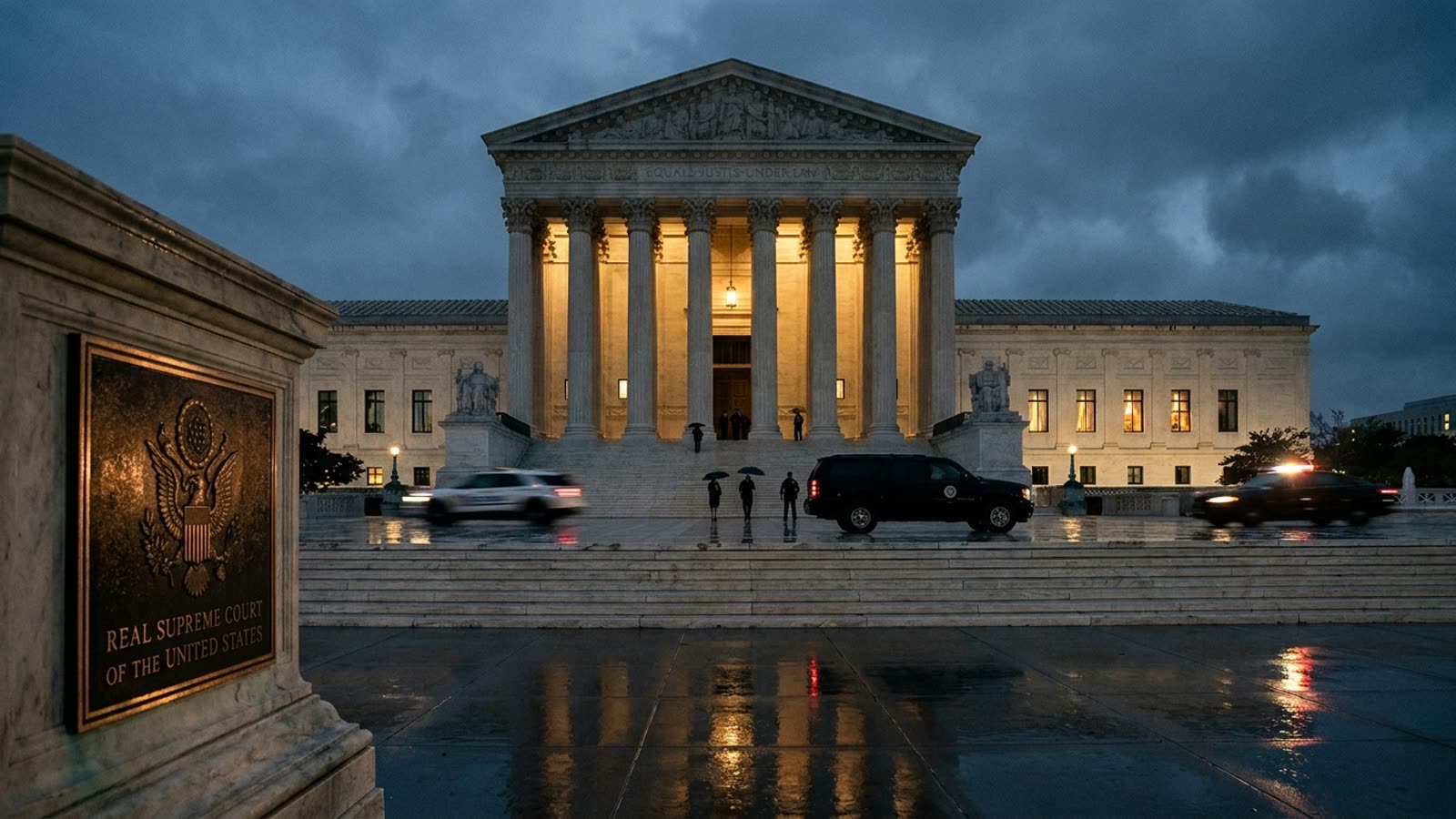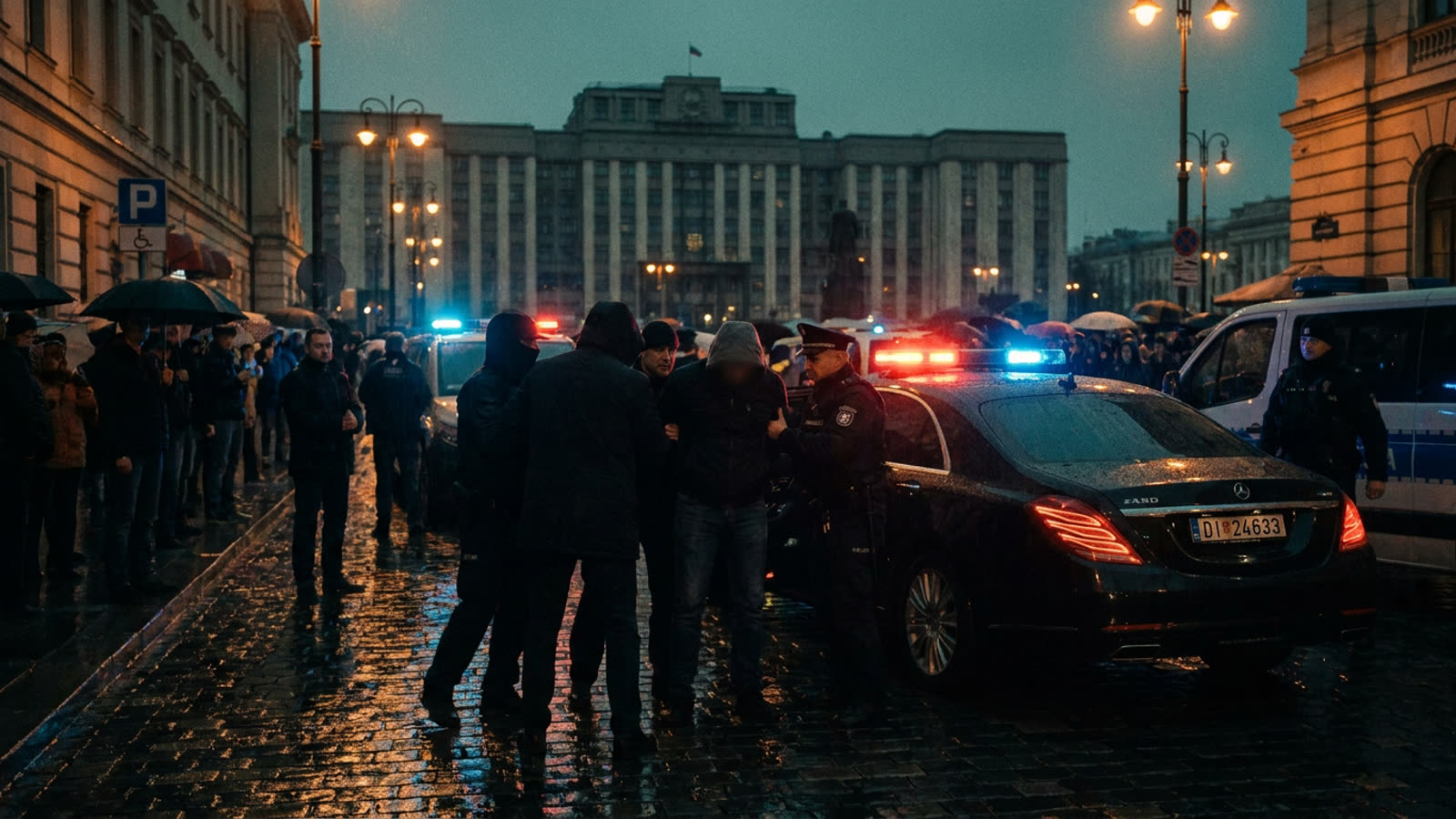
The phrase "diplomatic immunity" conjures images of smirking attachés flashing credentials at frustrated police officers, and while that caricature contains a grain of truth, it obscures a system far more deliberate and consequential than Hollywood suggests. Diplomatic immunity is not a loophole exploited by the clever; it is the foundational architecture that makes international relations possible at all.
The principle dates to ancient civilizations that recognized a simple problem: if you kill the messenger, you stop receiving messages. By the time the Congress of Vienna codified diplomatic norms in 1815, the logic had crystallized into law. The modern framework rests on the 1961 Vienna Convention on Diplomatic Relations, ratified by virtually every nation on earth. Its central premise is radical: diplomats are not subject to the laws of their host country. Full stop.
The hierarchy of protection
Not all immunity is created equal. The Vienna Convention establishes a tiered system based on rank. Ambassadors and their immediate families enjoy absolute immunity from criminal prosecution — they cannot be arrested, detained, or tried, regardless of the offense. Even murder, in theory, falls outside the host nation's jurisdiction. Below them, administrative and technical staff receive slightly narrower protections, while service staff are immune only for acts performed in their official duties.
This architecture exists not to protect individuals but to protect the function they serve. The reasoning is coldly practical: if Country A prosecutes Country B's ambassador, Country B will retaliate against Country A's diplomats. The entire system of resident embassies — the infrastructure through which nations communicate, negotiate, and avert wars — collapses into mutual hostage-taking.
When immunity becomes impunity
The system's elegance does not prevent its abuse. Unpaid parking fines in cities like London and New York accumulate into the tens of millions of dollars because diplomatic vehicles cannot be ticketed. More gravely, diplomats have been implicated in domestic violence, human trafficking, and vehicular homicide without facing local prosecution. The host country's only formal remedy is to declare an offending diplomat persona non grata and expel them — a sanction that often feels inadequate when someone has died.
The sending country can waive immunity, permitting prosecution, but this happens rarely and usually only when the diplomatic cost of refusal exceeds the cost of sacrificing one of their own. The calculus is nakedly political. A junior staffer accused of assault may be quietly recalled and face justice at home, or face nothing at all. The public seldom learns which.
Our take
Diplomatic immunity survives because the alternative — a world where governments routinely jail each other's representatives — would be worse. But the convention was drafted for an era when diplomatic missions were small and their personnel were genuine envoys. Today, embassies house intelligence officers, trade negotiators, and cultural attachés by the hundreds, all cloaked in the same protections designed for a handful of ambassadors. The system works, barely, because most diplomats behave. When they do not, the victims discover that international order has a price, and they are the ones paying it.