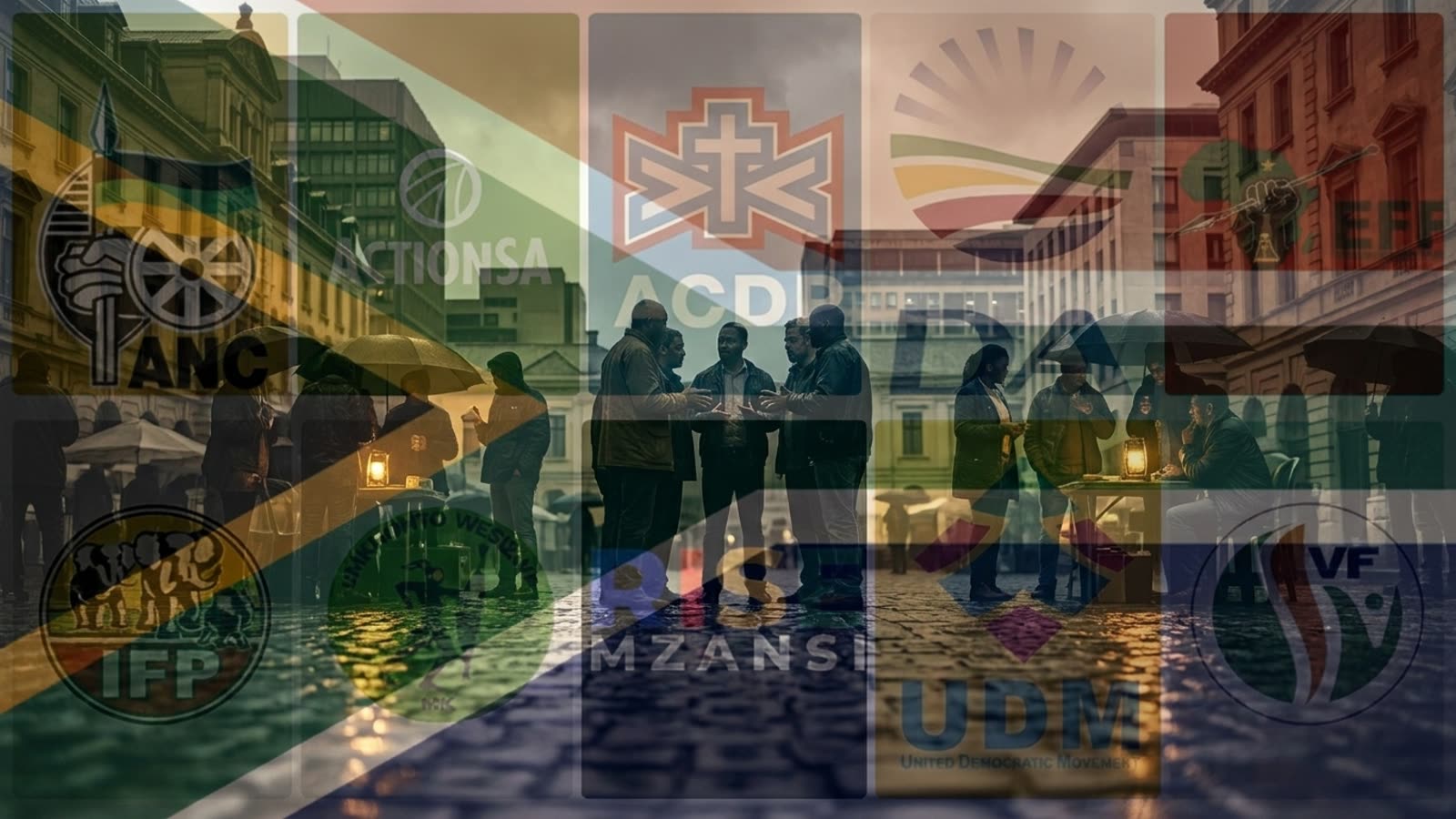
Single-party majority government, that tidy arrangement beloved of political scientists and civics textbooks, is becoming a historical curiosity across much of the democratic world. From Berlin to Jerusalem to Wellington, the norm is now coalition: uneasy alliances of parties that spent the campaign attacking each other, suddenly expected to govern as one. The mechanics of how these marriages of inconvenience actually function remain poorly understood outside the countries that practice them regularly.
The central misconception is that coalition formation is primarily about ideology—that parties of similar worldviews naturally coalesce. In practice, the decisive factors are often structural: who controls which ministry, how the budget is divided, and crucially, what happens when the coalition agreement is violated. The most durable coalitions are those that build in mechanisms for managed disagreement rather than those that paper over differences with vague communiqués.
The coalition agreement as constitution
The foundation document of any coalition government is not the national constitution but the coalition agreement—sometimes running to hundreds of pages—that specifies policy commitments, ministerial allocations, and decision-making procedures. Germany's agreements are legendarily detailed, covering everything from pension adjustments to the timeline for closing coal plants. The Netherlands takes a similar approach, with negotiations sometimes lasting months.
These documents serve multiple purposes. They bind junior coalition partners to policies they might otherwise oppose, while giving them political cover with their own voters. They establish what is off the table for the duration of the government. And they create a framework for resolving disputes that would otherwise escalate to crisis.
The finance ministry question
Control of the finance ministry is often more consequential than the prime ministership itself. The finance minister can effectively veto policy through budget allocation, making them the coalition's internal enforcer. In Germany, the Free Democrats' insistence on holding this portfolio in the traffic-light coalition that governed from late 2021 gave a party with single-digit vote share outsized influence over economic policy.
Savvy coalition negotiators understand this dynamic. Parties will sometimes accept fewer total ministries in exchange for the finance portfolio, or demand elaborate spending commitments be locked into the coalition agreement precisely because they know they will not control the purse strings.
Exit ramps and nuclear options
Every coalition contains the seeds of its own destruction. The question is whether the partners have incentives to water those seeds or let them wither. The most stable coalitions are those where all parties fear an election more than they fear each other—typically because polls suggest they would lose seats. The most fragile are those where one partner believes it could improve its position by forcing an early vote.
Israel's parliamentary system, with its low electoral threshold and numerous small parties, produces coalitions of extraordinary complexity. Governments there have fallen over issues ranging from military exemptions for religious students to the scheduling of votes on weekends. The system has produced remarkable political creativity—and also chronic instability.
Our take
Coalition government is neither inherently better nor worse than single-party rule; it is simply different, with different failure modes and different virtues. Its great advantage is that it forces compromise and prevents any single faction from imposing its will without negotiation. Its great weakness is that it can produce governments that satisfy no one, where every policy is a lowest-common-denominator muddle. The countries that do coalition politics well—Germany, the Nordics, the Benelux nations—have developed institutional cultures that treat compromise as legitimate rather than as betrayal. The countries that struggle with it tend to be those where political culture treats any concession as defeat. As electorates fragment further, more democracies will need to learn these skills. The alternative is not purity but paralysis.