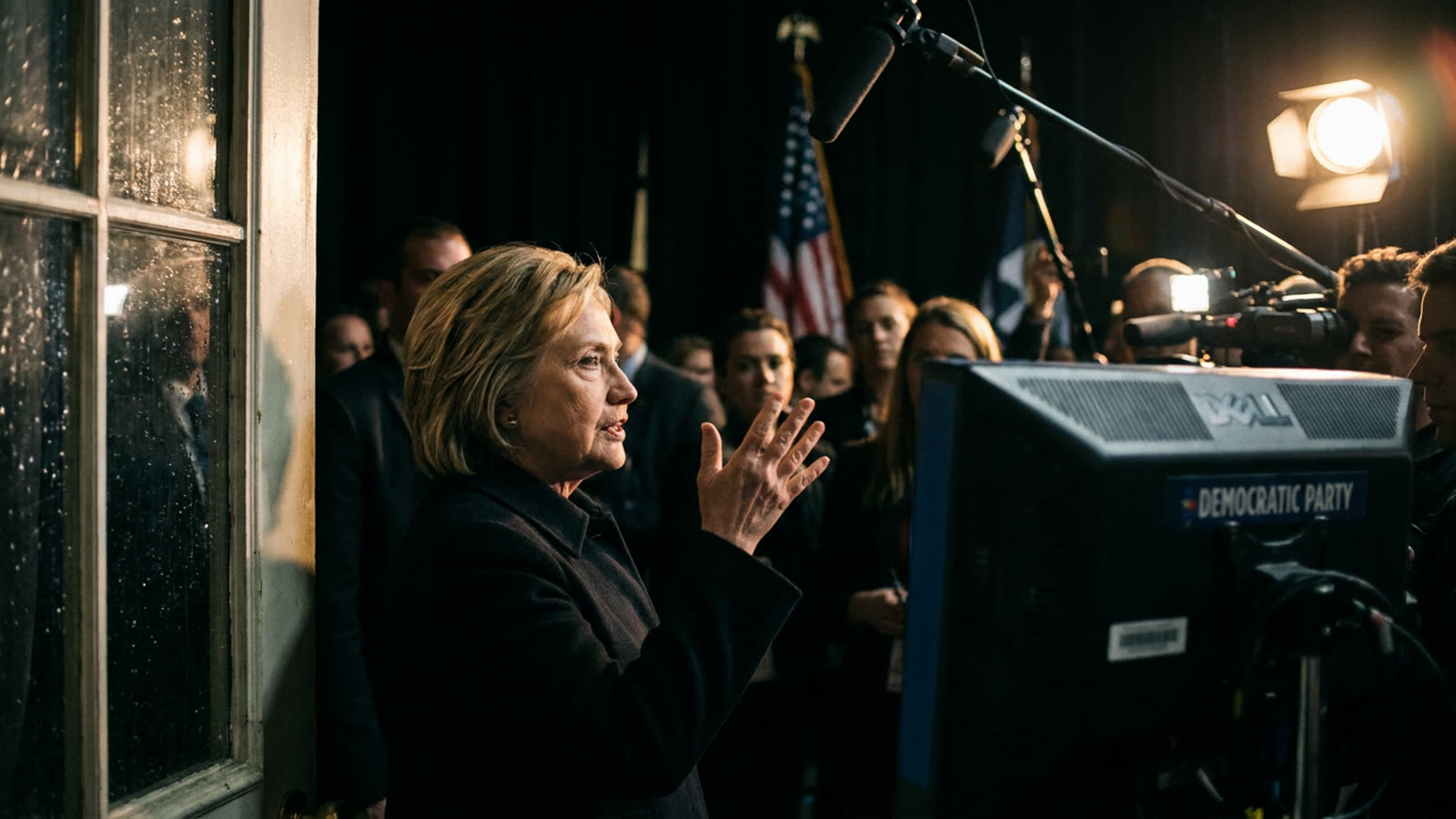
There is something almost poignant about Hillary Clinton finally saying what everyone in Democratic circles has whispered for two years: Joe Biden's decision to seek re-election in 2024 was, in her words, a "terrible mistake." The assessment is correct. The timing is curious. And the messenger is, as ever, complicated.
Clinton's remarks, delivered in a new interview, land at a moment when Democrats are still processing their second consecutive loss to Donald Trump and searching for explanations that don't require too much introspection. Biden's age, his debate performance, his stubborn refusal to step aside despite mounting evidence that voters had concerns — all of this has been dissected endlessly. What Clinton adds is the imprimatur of a party elder willing to state the obvious on the record.
The case she's making
Clinton's argument is straightforward: Biden should have recognized that running for president at 81 was asking too much of the electorate, regardless of his policy achievements or the strength of his administration. The June 2024 debate, in which Biden appeared confused and struggled to complete sentences, crystallized doubts that had been building for months. By the time he withdrew in July, the damage was done, and Kamala Harris inherited a truncated campaign with insufficient time to define herself on her own terms.
None of this is controversial analysis. Polling consistently showed voters worried about Biden's age. Democratic strategists privately urged him to step aside. The White House dismissed these concerns as ageism or media-manufactured narratives. They were wrong, and Clinton is correct to say so.
The messenger problem
Yet Clinton's intervention carries its own baggage. This is, after all, the candidate who lost to Trump in 2016 in part because she failed to campaign adequately in Michigan and Wisconsin, who dismissed concerns about her own vulnerabilities, and who spent years afterward attributing her defeat to Russian interference and James Comey rather than her campaign's strategic errors. Her willingness to criticize Biden's judgment invites the obvious rejoinder: physician, heal thyself.
There is also the question of what purpose this serves now. Biden is out of office. The 2024 election is settled. Democrats face a choice between relitigating the past and rebuilding for the future. Clinton's comments feel like the former dressed up as the latter — a settling of scores rather than a roadmap forward.
Our take
Clinton is right that Biden's re-election bid was a mistake, and someone with her stature saying so publicly may help the party move past the reflexive defensiveness that has characterized its post-2024 posture. But the Democratic Party's problem isn't a shortage of people willing to point fingers backward; it's a shortage of leaders who can articulate a compelling vision forward. Clinton, for all her experience and intelligence, has never been that figure. Her truth-telling is welcome. Her continued prominence in these conversations is a symptom of the very leadership vacuum she's diagnosing.