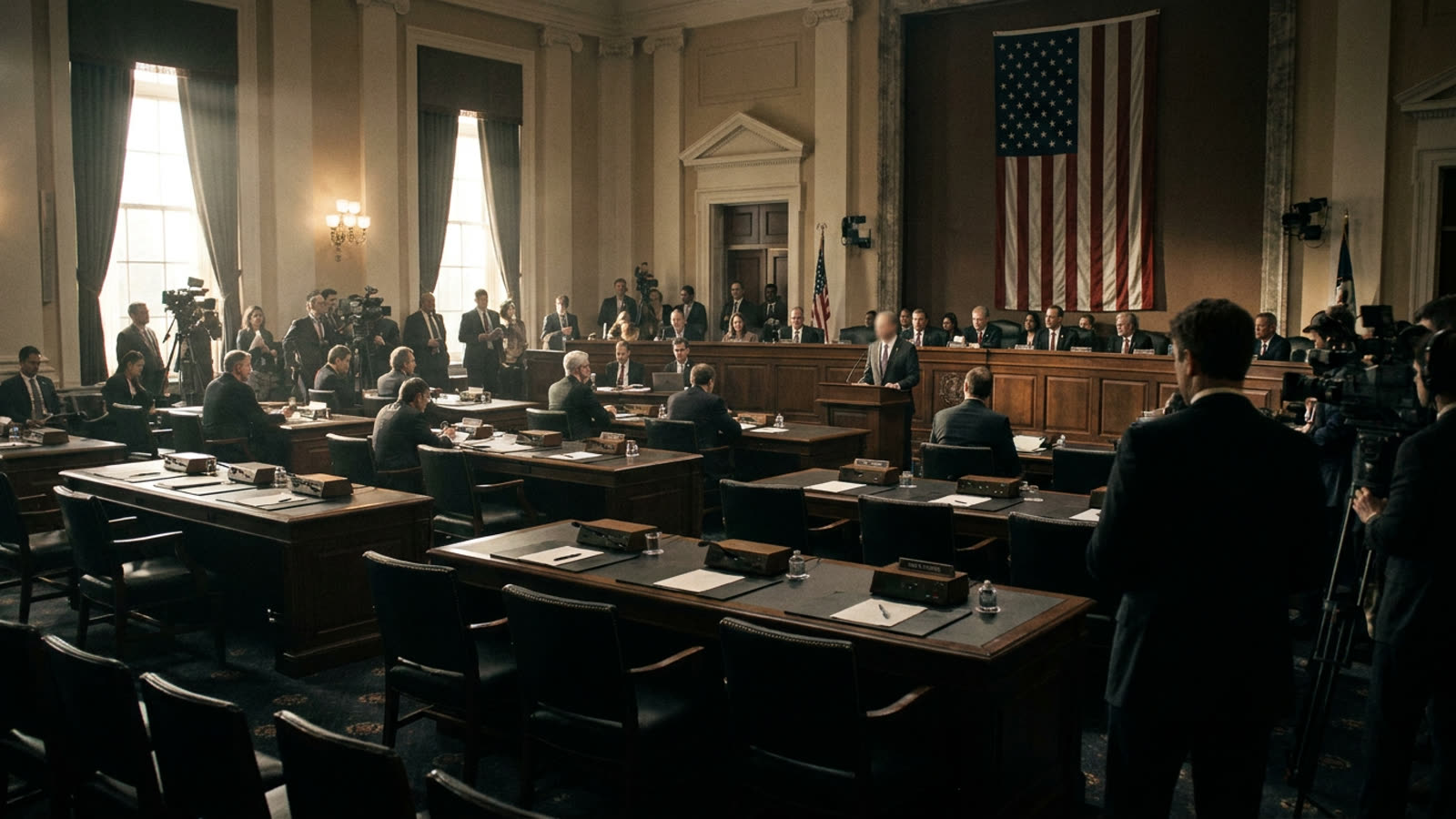
The transformation is complete. Senate Republicans have again voted down a measure that would have reasserted congressional authority over the Iran conflict, marking the second such defeat in recent weeks and cementing a remarkable ideological reversal: the party that spent decades accusing Democratic presidents of executive overreach has become the most reliable defender of unilateral presidential war-making.
The vote was not close. Republican senators who built careers on constitutional originalism and the separation of powers lined up to preserve the White House's freedom to conduct military operations and negotiate binding agreements without meaningful legislative oversight. The irony was apparently lost on them.
The constitutional question nobody wants to answer
The War Powers Resolution of 1973 was designed precisely for moments like this one. Passed over Nixon's veto in the twilight of Vietnam, it requires presidents to consult Congress before committing forces to hostilities and to withdraw them within 60 to 90 days absent explicit authorization. The law has always been honored more in the breach than the observance, but previous administrations at least maintained the polite fiction that congressional input mattered.
The current posture dispenses with even that pretense. The Iran ceasefire, negotiated entirely within the executive branch, commits the United States to a series of obligations that will shape Middle Eastern security architecture for a generation. Yet the agreement's text remains classified, its terms known only through administration talking points and foreign ministry statements from Tehran. Senators are being asked to trust, not verify.
Why Republicans are blocking their own principles
The political calculus is straightforward if depressing. Republican senators face a choice between constitutional principle and partisan loyalty, and they are choosing the latter with impressive consistency. Those who might harbor doubts about executive war-making have calculated that crossing the White House on national security would invite primary challenges and presidential wrath.
This is not how the party talked during the Obama years. When the 44th president negotiated the original Iran nuclear deal, Republican senators wrote an open letter to Tehran warning that any agreement lacking congressional approval could be reversed by a future administration. They were right about the constitutional principle then. They have simply decided it no longer applies.
The handful of Republicans who supported the war powers measure have been notably quiet since the vote, offering no public criticism of colleagues who blocked it. Party discipline, it seems, extends even to silence about the abandonment of core beliefs.
Our take
Constitutional principles are not supposed to be situational. The Founders gave Congress the power to declare war because they understood that concentrating military authority in a single executive was the hallmark of the monarchies they had rejected. Senate Republicans once claimed to understand this too. Their current posture suggests they understood it only when a Democrat occupied the Oval Office. The War Powers Resolution may be imperfect legislation, but the principle behind it—that American blood and treasure should not be committed without democratic deliberation—deserves better than to be sacrificed on the altar of partisan convenience.