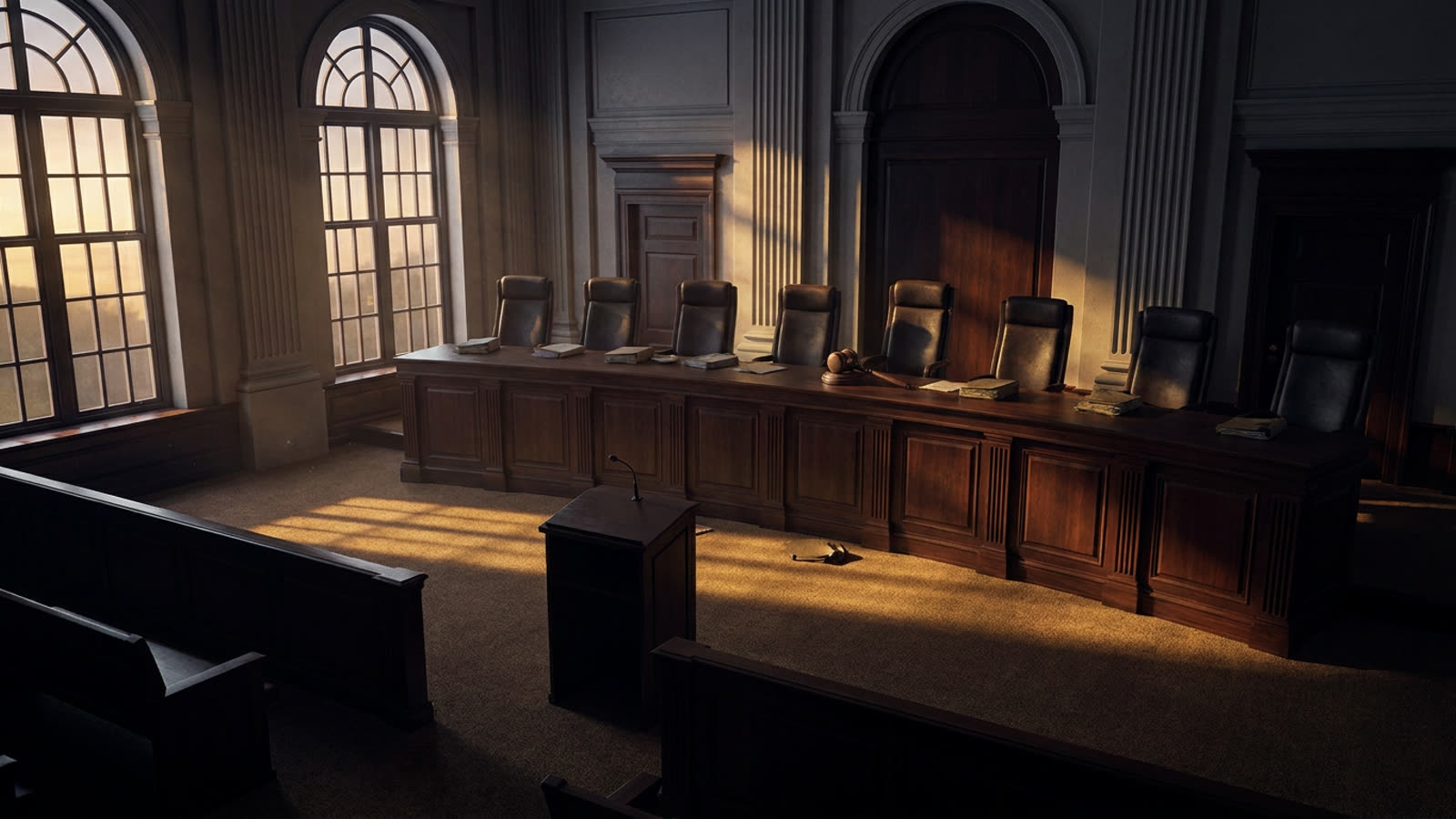
The justices of the Supreme Court are tired of listening to lawyers talk.
What was once a brisk hour of oral argument has metastasized into sprawling two-hour sessions, with advocates droning through prepared remarks while justices fidget, sigh, and occasionally snap. Chief Justice Roberts has taken to cutting off counsel mid-sentence. Justice Kagan's eyerolls have become a spectator sport. The Court's own statistics tell the story: average argument length has increased by roughly forty percent over the past decade, with several cases this term exceeding two and a half hours.
The bloat is bipartisan
The culprits cross ideological lines. Conservative litigators, emboldened by a friendly majority, have adopted a maximalist approach—throwing every conceivable argument at the wall in hopes something sticks. Progressive advocates, facing long odds, compensate with exhaustive factual recitations designed to create a record for future dissents. Both sides have concluded that more words equal better odds. The justices disagree.
The problem is structural. Unlike trial courts, where judges can impose strict time limits, the Supreme Court has historically relied on informal norms to keep arguments efficient. Those norms have eroded. The rise of the Supreme Court bar—a small cadre of elite advocates who appear repeatedly before the justices—has paradoxically worsened the situation. These repeat players know exactly which buttons to push, which precedents to invoke, and how to extend their time by inviting questions they want to answer.
Why it matters beyond the marble
Prolonged arguments are not merely an annoyance for nine robed figures. They delay decisions in cases with real-world stakes: immigration enforcement, regulatory authority, criminal sentencing. The Court's docket is finite, and every hour spent relitigating settled doctrine is an hour not spent on emerging questions. Meanwhile, the spectacle of visibly frustrated justices undermines public confidence in the institution. If the Court cannot manage its own proceedings efficiently, why should anyone trust it to manage constitutional interpretation?
Some justices have proposed reforms—stricter time limits, written questions submitted in advance, even eliminating oral argument for certain categories of cases. None have gained traction. The Court remains institutionally conservative in the small-c sense: reluctant to change procedures that have worked, more or less, for two centuries.
Our take
The justices' frustration is justified, but their passivity is not. A Court willing to overturn decades of precedent on substantive matters should be willing to reform its own housekeeping. Oral argument exists to clarify, not to perform. If the current system produces neither clarity nor efficiency, the justices have no one to blame but themselves for tolerating it. The fix is simple: enforce time limits ruthlessly, penalize advocates who filibuster, and accept that some questions are better resolved on the briefs. The alternative is a Court that looks increasingly like the institution it most disdains: Congress.