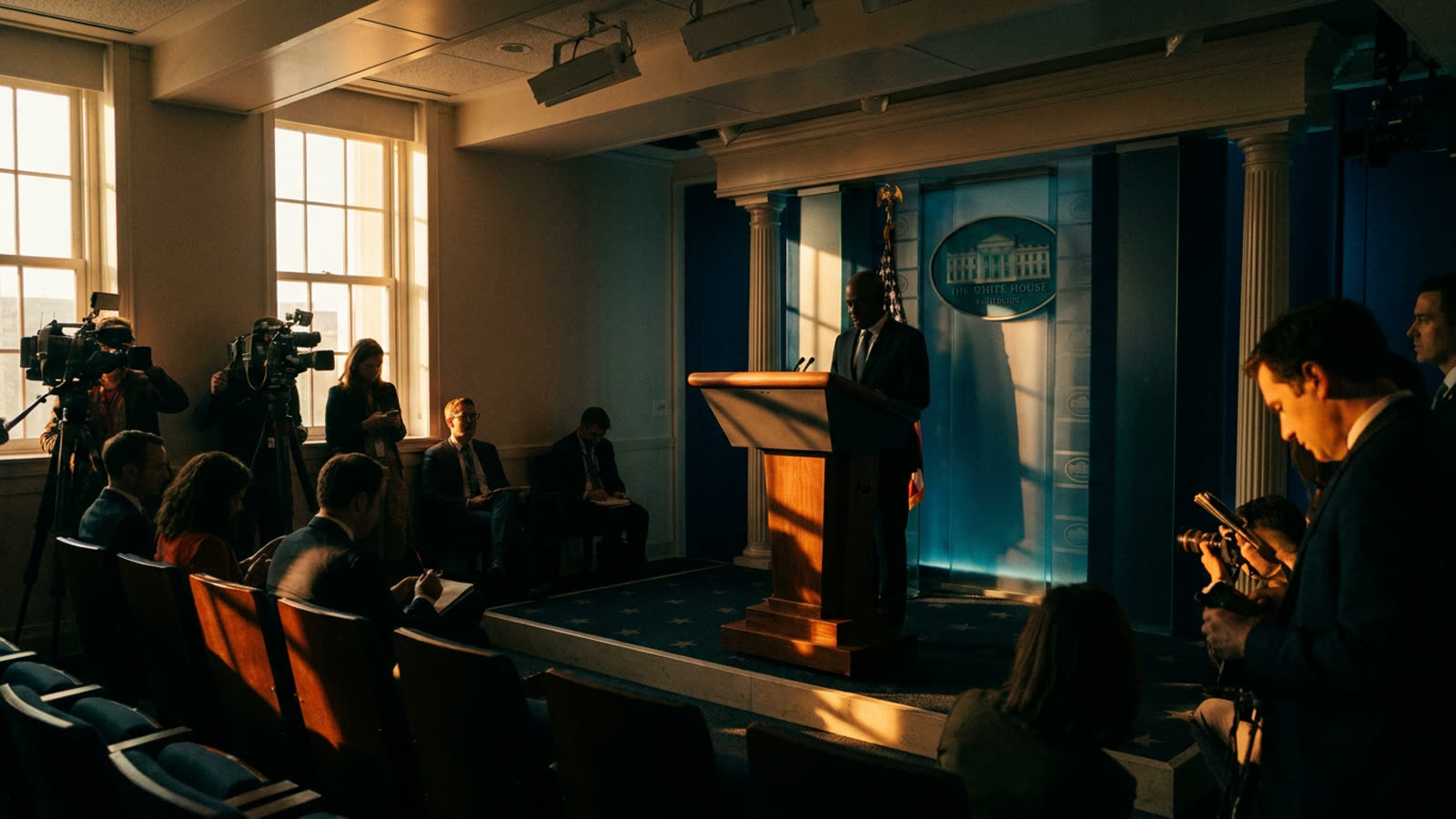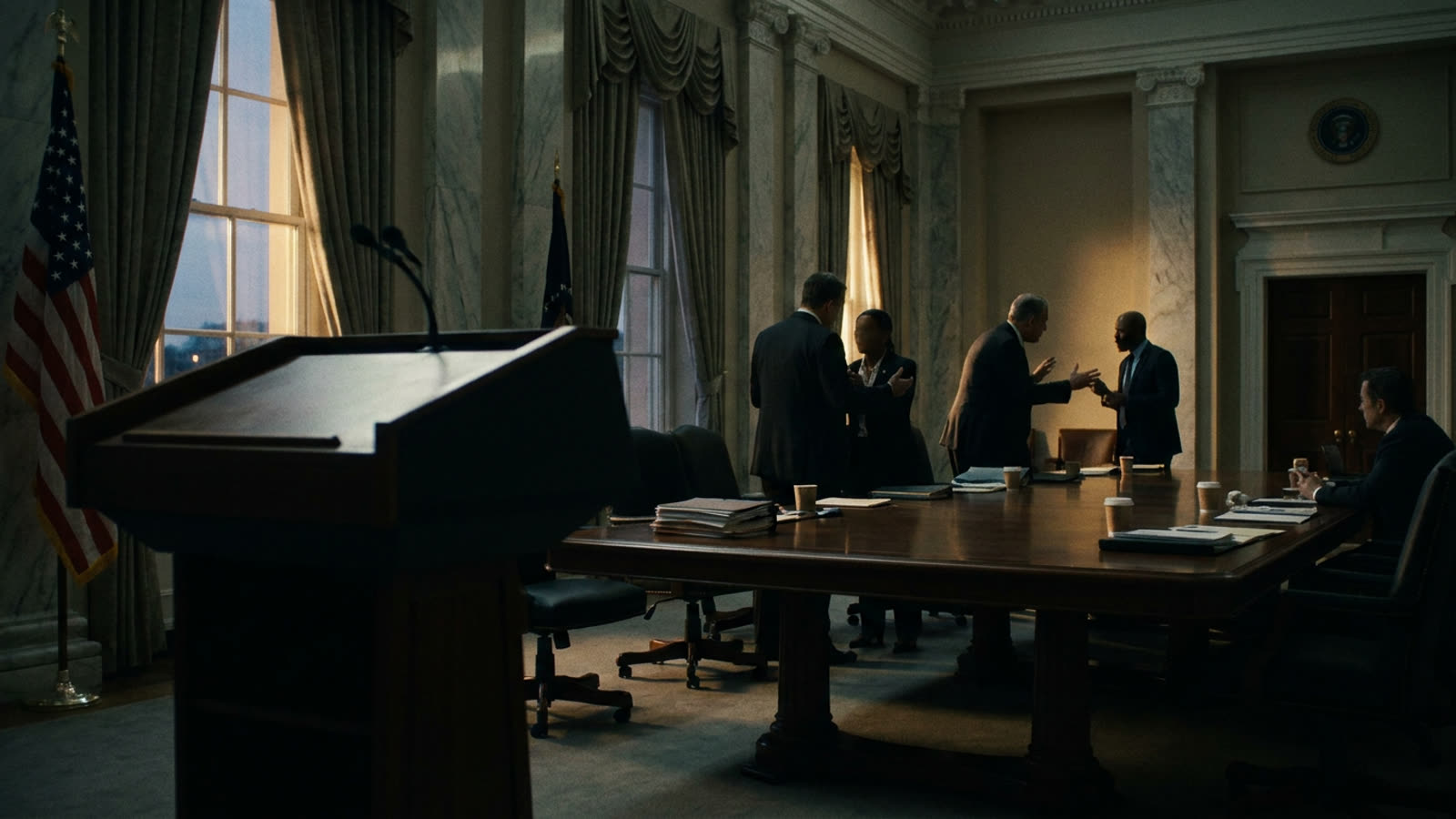
The same voices that made "worst deal ever" a Republican catechism are now directing that epithet at their own president. Within hours of the US-Iran ceasefire announcement, a chorus of GOP foreign-policy hawks—senators, former administration officials, and the conservative commentariat that once cheered Trump's maximum-pressure campaign—began publicly accusing him of surrender.
This is not the usual Beltway grumbling. It is a factional rupture that exposes a tension Trump has managed to paper over for a decade: the gap between his transactional instincts and the ideological commitments of the party's national-security establishment.
The case against the deal
Critics within the GOP argue that Trump's framework gives Iran sanctions relief and a path back into international legitimacy without dismantling its enrichment infrastructure or addressing its ballistic-missile program—the very deficiencies they cited when Trump withdrew from the 2015 Joint Comprehensive Plan of Action. "This is worse than Obama's deal," one former Trump national-security adviser told reporters, noting that Tehran now has more advanced centrifuges and a decade of additional research.
The hawks' complaint is not merely technical. They see the agreement as a betrayal of Israel at a moment when Netanyahu's government is engaged in active military operations in Lebanon. Trump's public admonition that Israel "must be more responsible" landed in Jerusalem like a diplomatic grenade, and his critics argue it signals a broader American retreat from the region.
Why Trump took the deal anyway
The president's calculus is nakedly political. Gasoline prices have been a persistent drag on his approval ratings, and the ceasefire has already sent oil futures tumbling. With the 2026 midterms approaching and inflation still a sore point, Trump appears to have concluded that a foreign-policy win—however imperfect—is worth more than ideological purity.
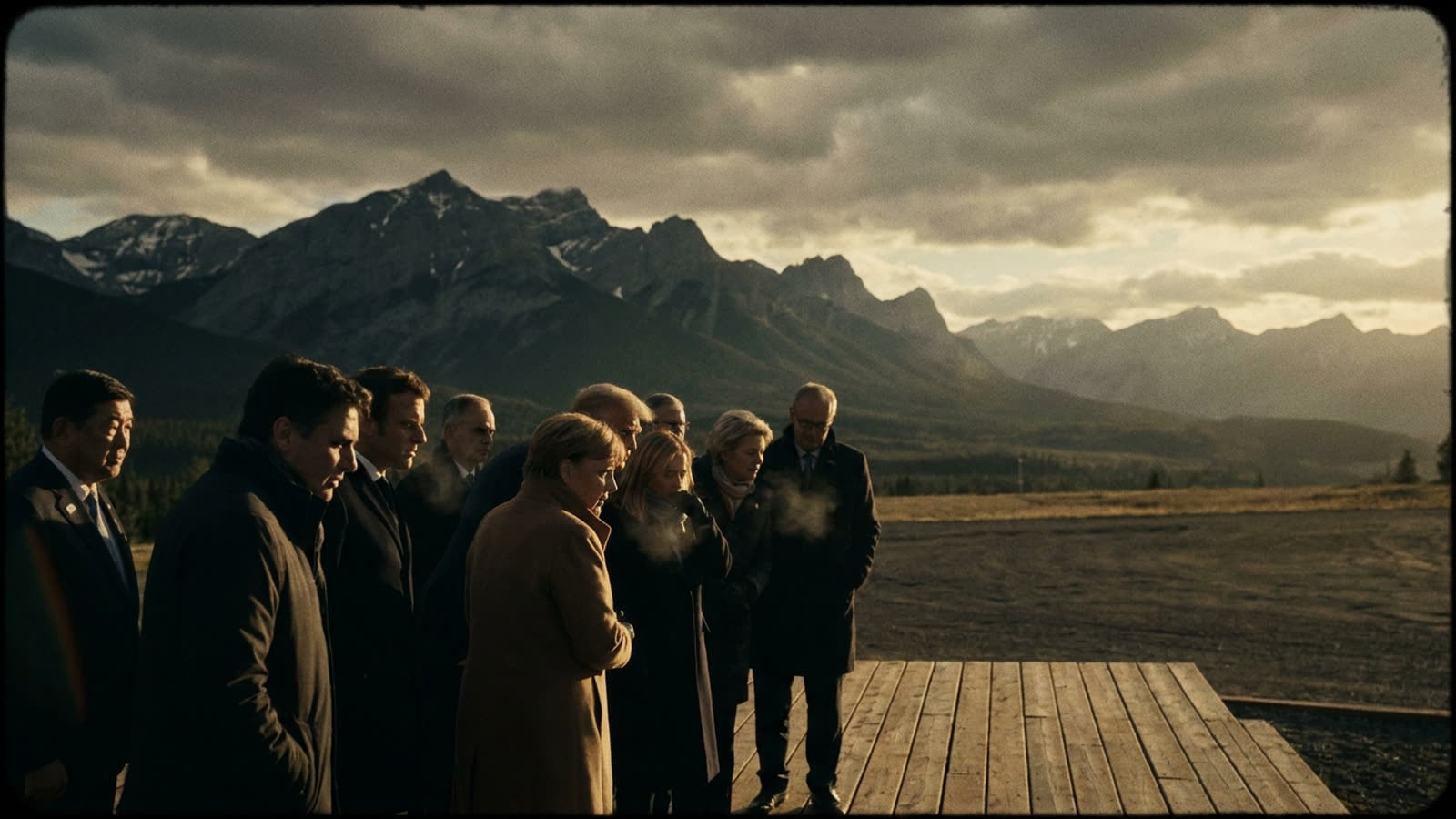
There is also the Ukraine dimension. The G7 summit in Canada has been dominated by European pressure on Trump to commit to Kyiv's defense. A détente with Iran frees diplomatic bandwidth and potentially military resources, giving Trump leverage to extract concessions from allies on trade and burden-sharing. In his telling, this is dealmaking, not capitulation.
What the rift means for the midterms
Republican candidates in competitive Senate races now face an uncomfortable choice. Do they defend a president who remains popular with the base, or do they align with hawkish donors and editorial boards that view the Iran agreement as appeasement? Early signs suggest a split: some incumbents have issued carefully worded statements praising "diplomacy" without endorsing the deal's specifics, while others have gone silent.
Democrats, meanwhile, are in the unusual position of watching their opponents tear each other apart over a policy that, on paper, resembles the Obama-era approach they once championed. The irony is not lost on the White House's critics, who note that Trump spent years calling the JCPOA a disaster and now expects applause for something arguably less stringent.
Our take
Trump has always governed as a coalition manager, not an ideologue, and his Iran pivot is the clearest illustration yet. The hawks are right that the deal's terms are thin; they are wrong to act surprised. Trump told voters he would end forever wars and cut deals, and that is precisely what he is doing. Whether the Republican Party can hold together a coalition that includes both John Bolton disciples and America-First isolationists is the real question—and the answer will be written in November's returns.