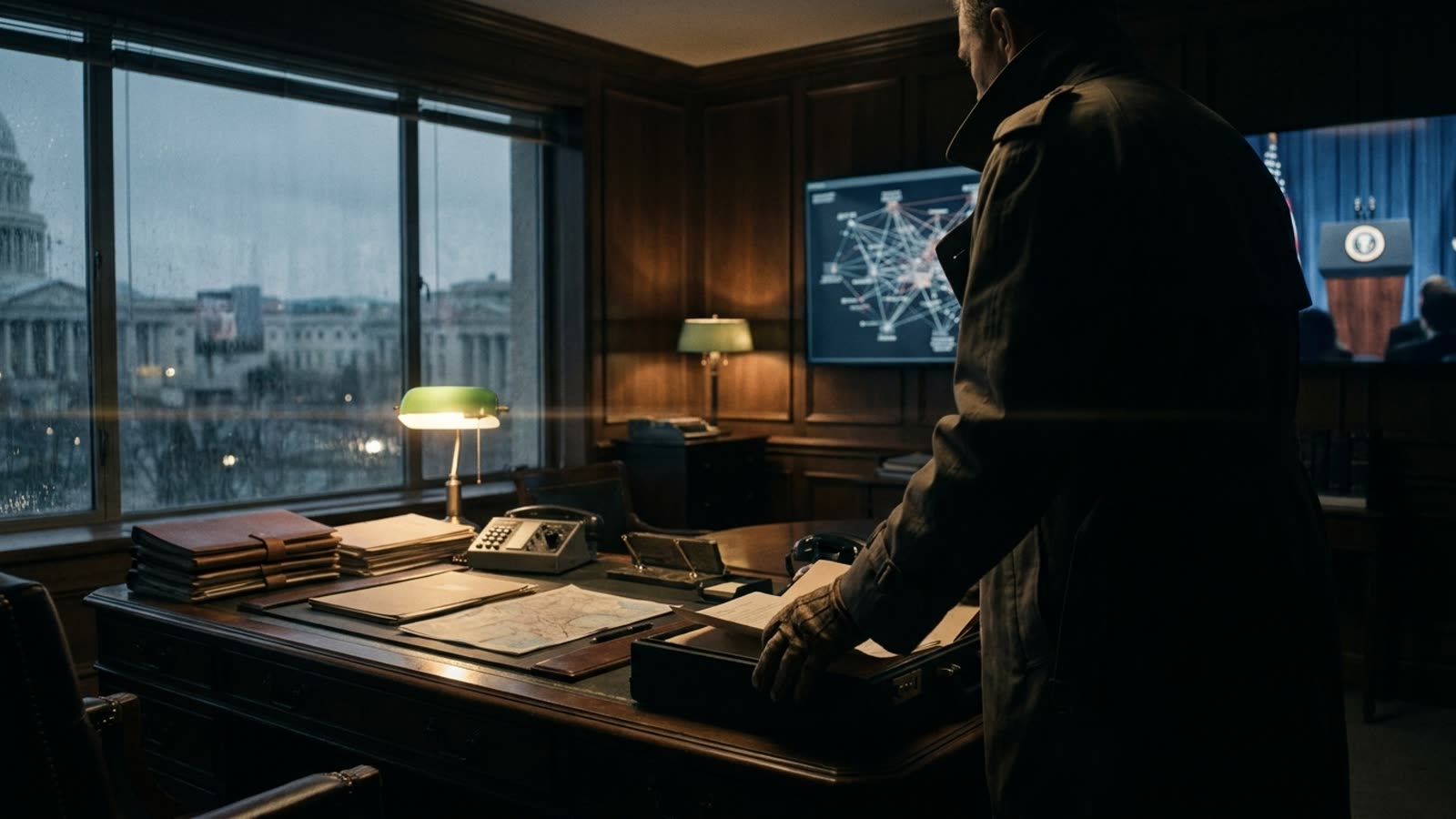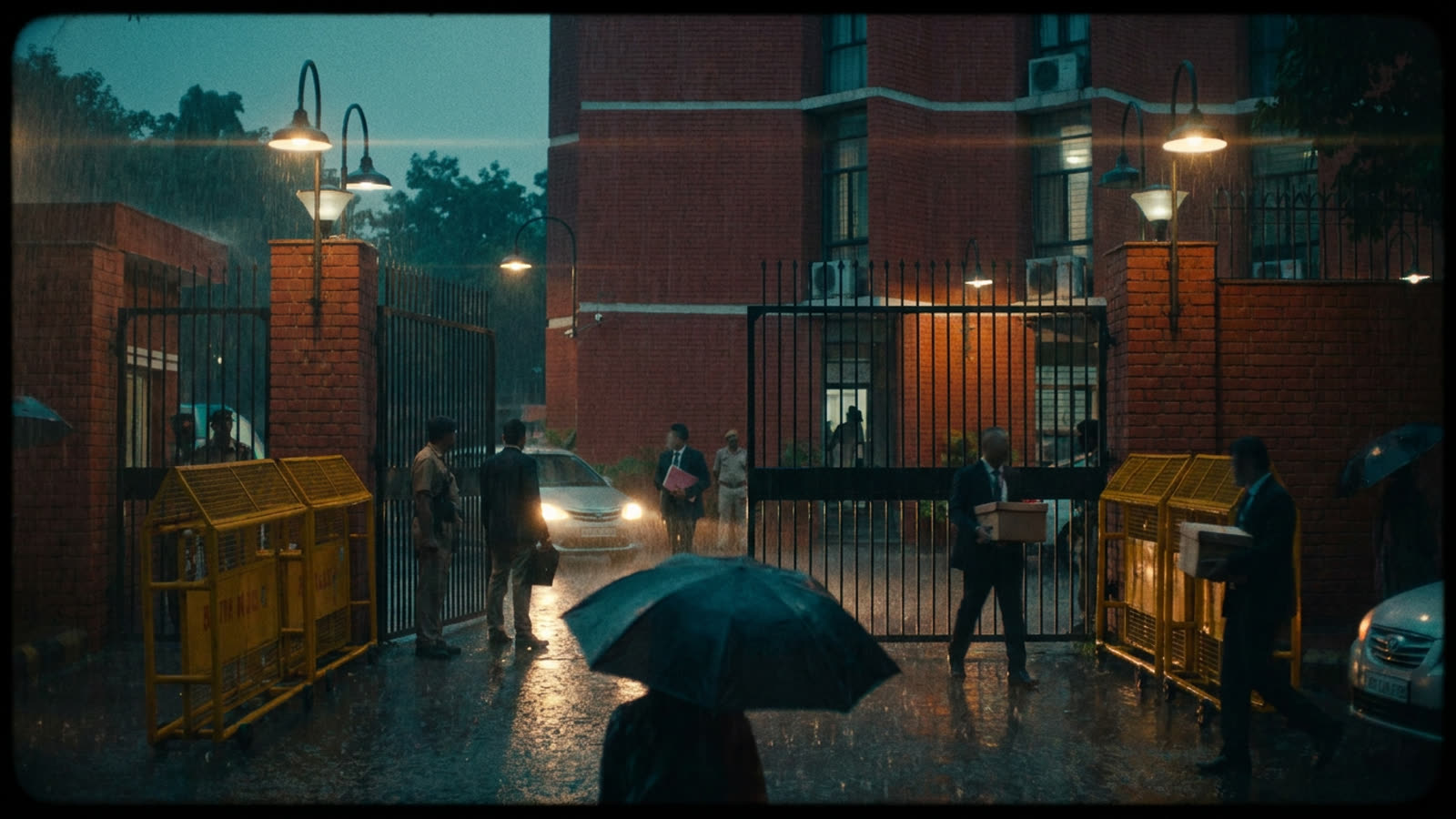
Democracy's most consequential decisions are frequently made in windowless conference rooms by officials whose names never appear on campaign posters. Electoral commissions — the administrative bodies charged with running elections — possess powers that can determine outcomes long before voters reach the booth. They decide which candidates qualify, which votes count, and where the boundaries fall. Yet in most democracies, citizens cannot name a single commissioner.
This obscurity is partly by design. The theory holds that election administration should be boring, technical, apolitical. The reality is rather different. Every procedural choice carries political weight, and the people making those choices operate with remarkable autonomy.
The architecture of invisible power
Electoral commissions vary enormously across democracies, but most share core functions: maintaining voter rolls, certifying candidates, drawing constituency boundaries, and adjudicating disputes. In some countries, like India, the Election Commission operates as a constitutional body with quasi-judicial authority. In others, like the United States, election administration is fragmented across thousands of county-level offices with wildly inconsistent standards.
The composition of these bodies matters immensely. Some nations appoint commissioners through bipartisan agreement, others through judicial selection, still others through civil service examination. Each model carries risks. Bipartisan appointments can produce deadlock or collusion. Judicial selection may insulate commissioners from accountability. Career bureaucrats may lack the political sophistication to navigate contested terrain.
What unites them is discretion. When a commission decides that a signature on a mail ballot doesn't quite match the one on file, or that a minor party failed to gather sufficient petition signatures, or that a particular neighborhood needs fewer polling stations due to budget constraints — these are judgment calls with no obvious right answer and enormous collective consequences.
Where technical meets tactical
Consider boundary delimitation, the periodic redrawing of electoral districts to reflect population shifts. In theory, this is demographic arithmetic. In practice, it is political alchemy. A commission that draws compact, community-preserving districts will produce different winners than one prioritizing mathematical equality of population. Both approaches are defensible; neither is neutral.
Voter roll maintenance presents similar dilemmas. Aggressive purging of inactive voters prevents fraud but risks disenfranchising legitimate citizens who simply skipped an election. Permissive standards maximize participation but may compromise integrity. Commissions must choose, and their choices reflect assumptions about which errors are more tolerable.
The timing of decisions also matters. A ruling on candidate eligibility issued months before an election allows adjustment; the same ruling days before voting creates chaos. Commissions control these calendars, and calendar control is power.
Our take
The quietest institutions often deserve the loudest scrutiny. Electoral commissions have remained largely invisible precisely because examining them requires confronting uncomfortable truths: that democracy depends on unelected administrators making contestable judgments, and that procedural neutrality is more aspiration than achievement. Citizens who obsess over candidates while ignoring the officials who determine ballot access and vote counting have their priorities inverted. The machinery matters as much as the operators it selects.