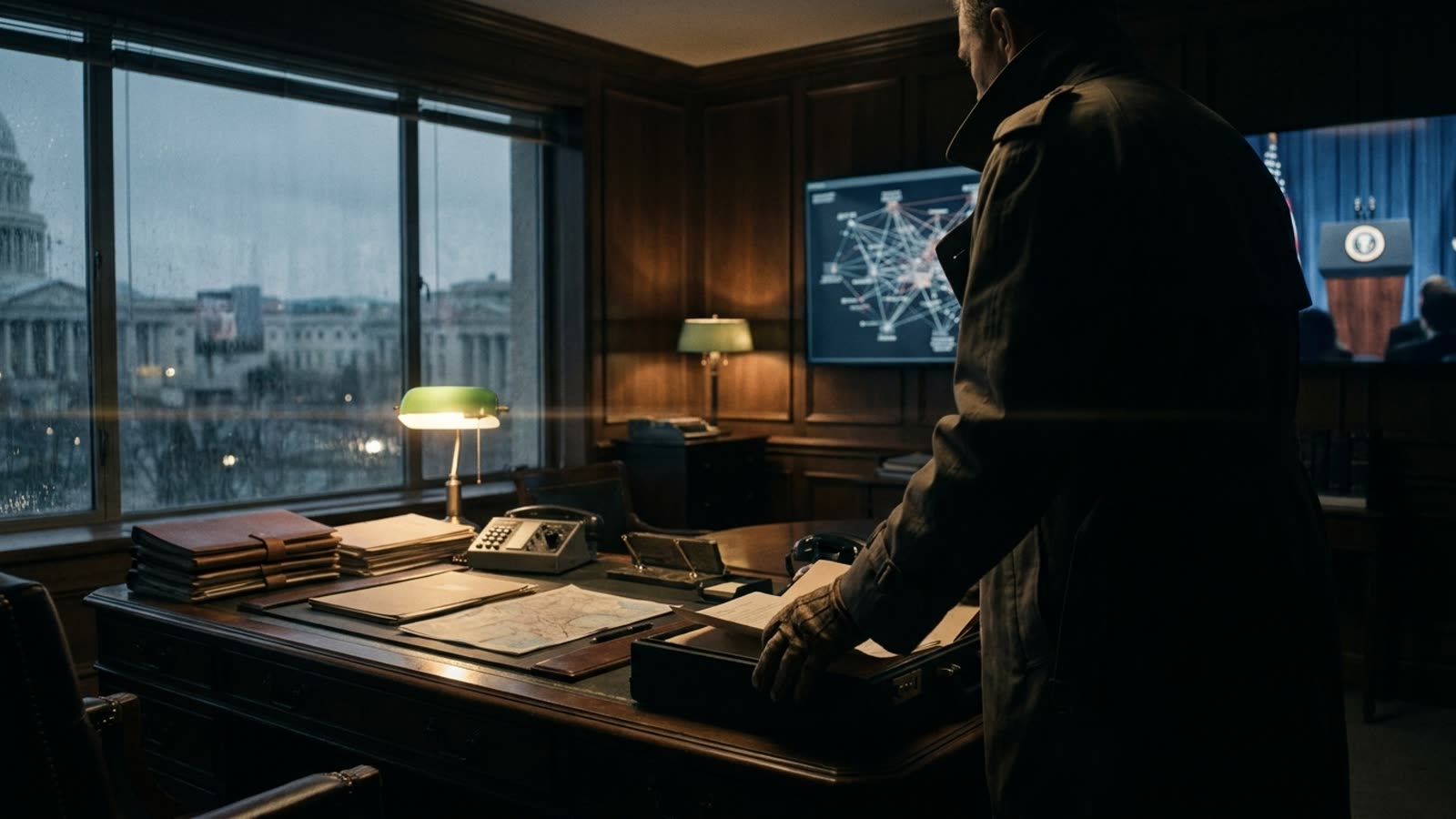
Before any president, prime minister, or foreign secretary makes a major national security decision, they have already been shaped by people whose names the public will never know. Intelligence agencies do not merely gather information; they curate, interpret, and present it in ways that inevitably constrain the choices available to elected officials. The question is not whether spies influence policy—they manifestly do—but how much that influence operates through legitimate expertise versus institutional self-interest.
The relationship between intelligence services and their political masters is asymmetric by design. Agencies possess information that leaders lack and cannot independently verify. When the CIA, MI6, or Mossad presents an assessment, the recipient must largely take it on faith. This creates what scholars of bureaucratic politics call an "information monopoly," and monopolies tend to serve the interests of those who hold them.
The briefing as a weapon
The daily intelligence briefing—the President's Daily Brief in the American system, or its equivalents elsewhere—is perhaps the most powerful soft-power tool any bureaucracy possesses. What gets included, what gets emphasized, what gets relegated to an annex: these editorial choices frame how leaders perceive threats and opportunities. A threat highlighted repeatedly becomes urgent; a threat mentioned once becomes background noise.
Former officials across multiple administrations have described how briefers learn to read their audiences. A leader who responds to vivid anecdotes receives more anecdotes. One who demands quantitative analysis gets charts. The information is not falsified, but it is packaged for maximum impact, and the packagers have institutional interests—budgets to protect, operations to justify, rival agencies to outmaneuver.
The estimate that becomes reality
National Intelligence Estimates, the formal consensus documents produced by the American intelligence community, carry enormous weight precisely because they claim to represent the unified judgment of multiple agencies. Yet the process of achieving that consensus involves negotiation, compromise, and occasionally the suppression of dissent. The famous 2002 estimate on Iraqi weapons capabilities included dissenting footnotes from the State Department's intelligence bureau and the Department of Energy—footnotes that received far less attention than the headline conclusions.
The dynamic is not unique to any country. British intelligence assessments on Argentina's intentions before the Falklands War, French estimates of Rwandan government behavior in the early 1990s, Israeli assessments of Egyptian intentions before the 1973 war—each case shows how institutional assumptions can blind agencies to evidence that contradicts their preferred narratives.
The oversight paradox
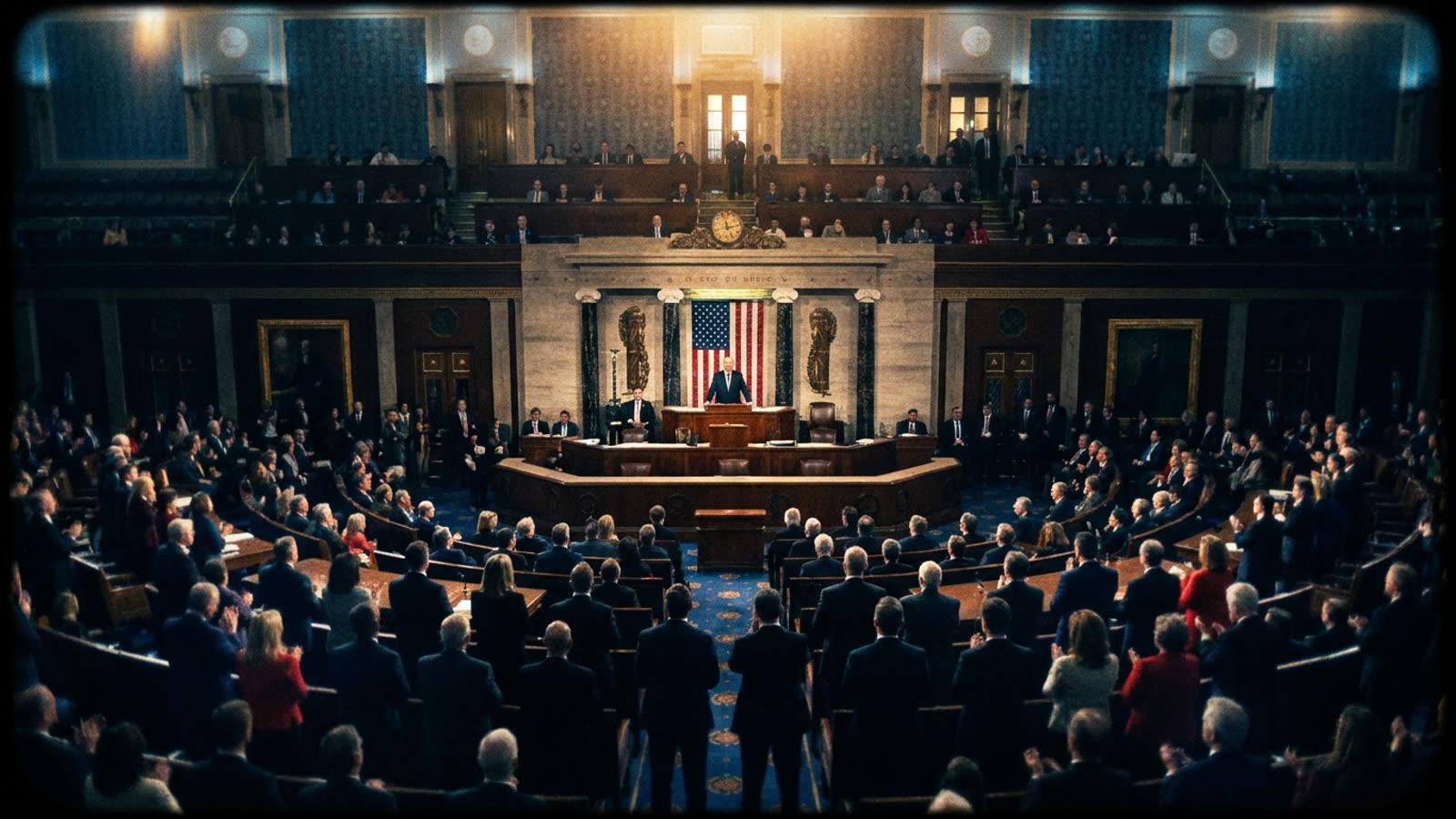
Democratic societies have developed elaborate mechanisms to oversee their intelligence services: congressional committees, parliamentary oversight boards, inspectors general, judicial warrants. Yet these mechanisms face an inherent limitation. Effective oversight requires access to classified information, but granting that access creates a club of insiders who become invested in the system they are meant to police.
Members of intelligence committees often describe a gradual shift in perspective. They arrive as skeptics and depart as defenders. Whether this reflects genuine education about real threats or a form of institutional capture depends on whom you ask. What is clear is that the oversight relationship is not adversarial in practice, whatever the constitutional theory might suggest.
Our take
The intelligence-policy relationship is not a scandal to be exposed but a structural tension to be managed. Elected leaders need expert analysis; experts inevitably have biases and interests. The healthiest systems are those where multiple agencies compete, where dissent is documented rather than suppressed, and where oversight committees include members genuinely willing to be unpopular with the security establishment. None of this is easy, and no democracy has fully solved it. The honest position is not that intelligence agencies are either heroic truth-tellers or sinister manipulators, but that they are powerful bureaucracies operating with minimal accountability—which means the quality of their influence depends almost entirely on the integrity of individuals the public cannot name and cannot remove.