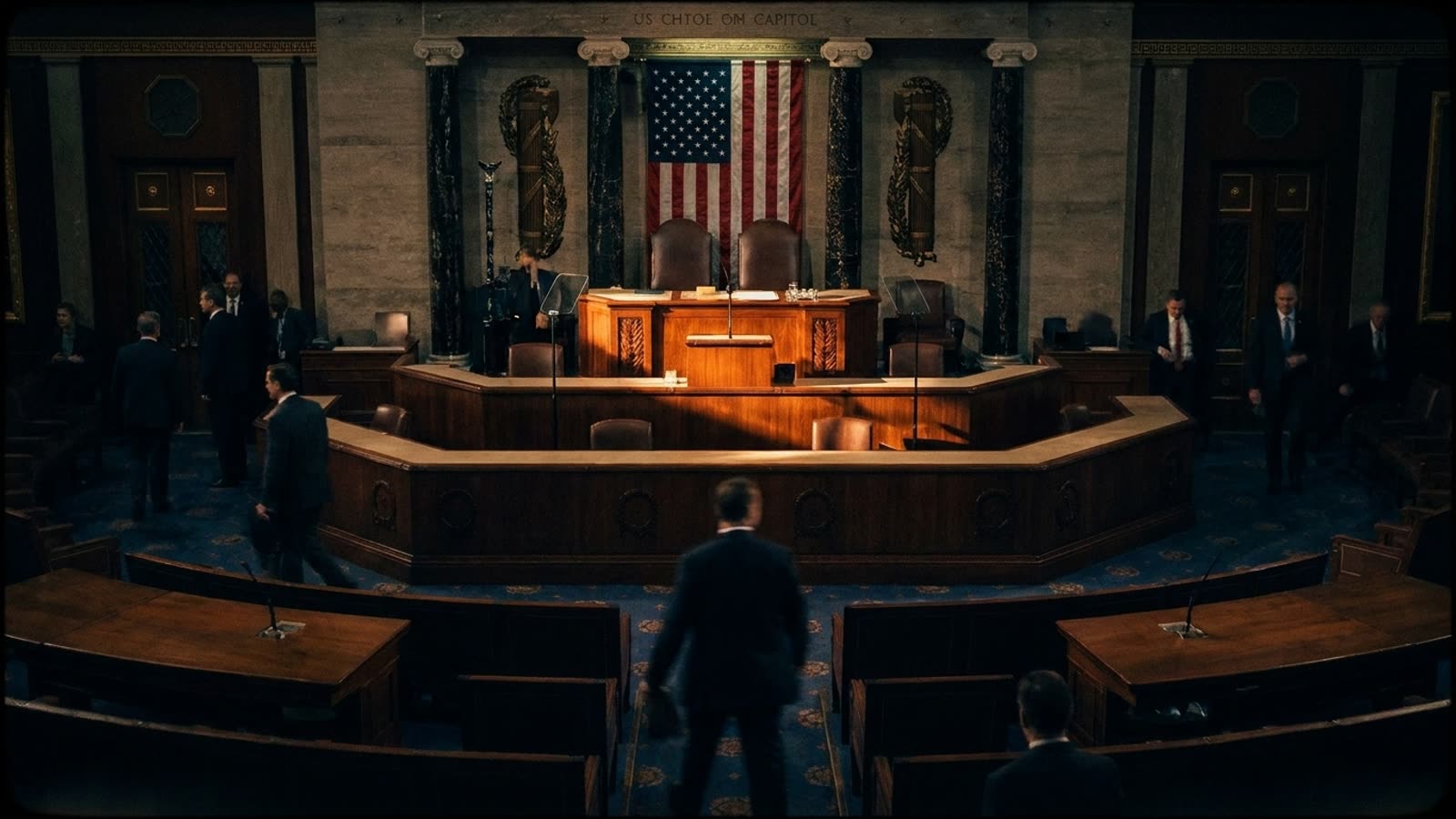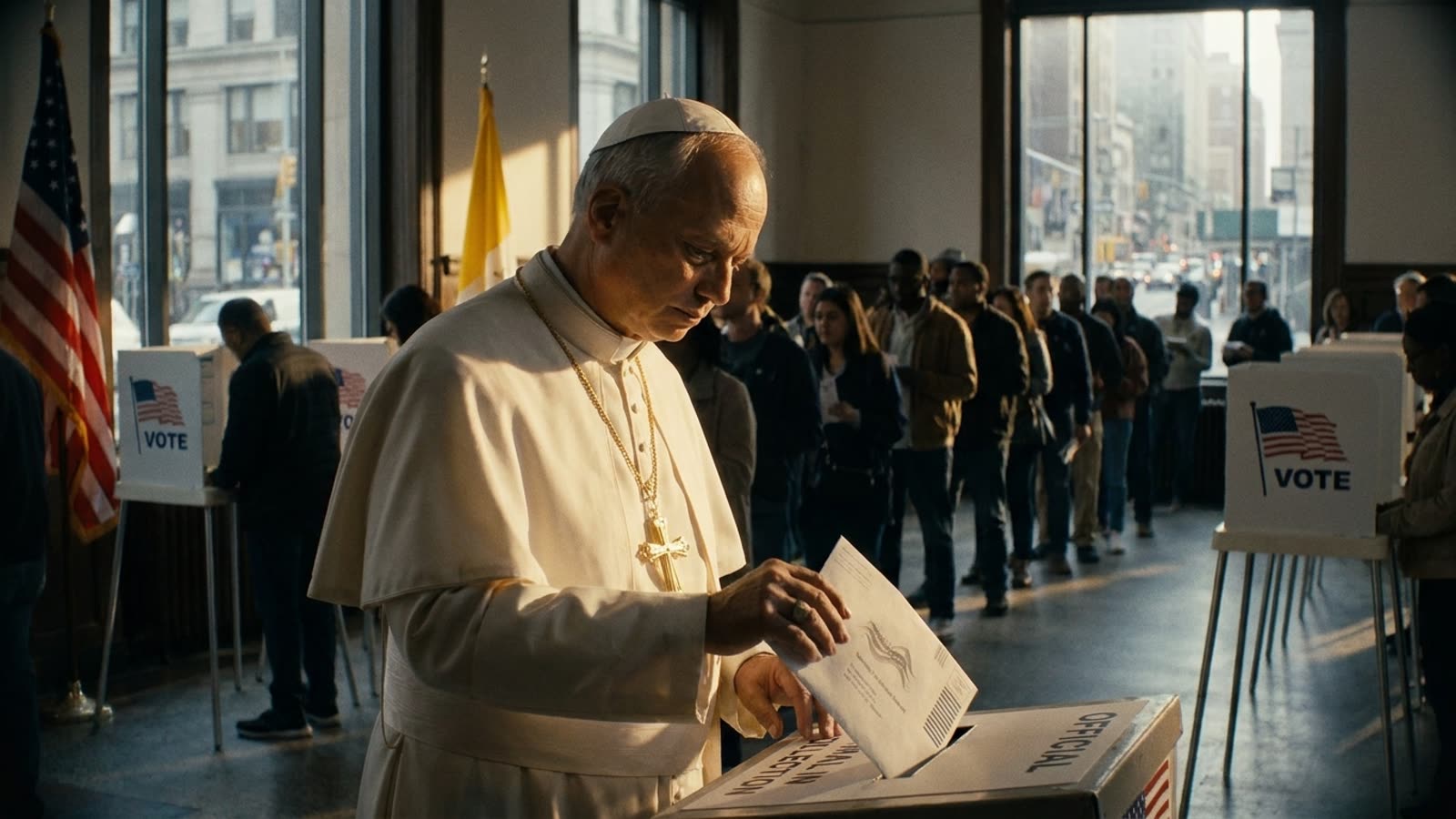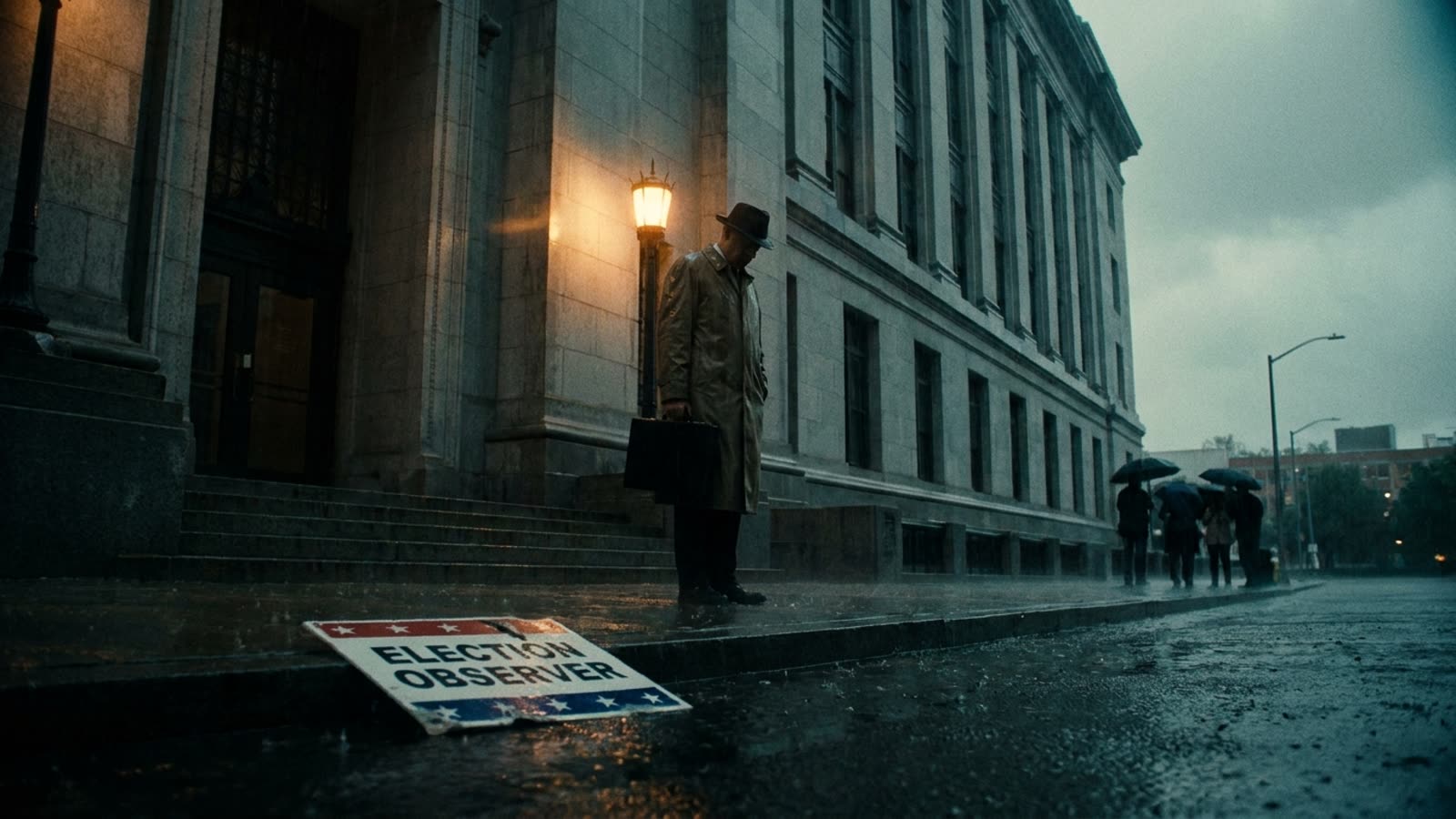
The Justice Department has been barred from threatening or coercing local election officials to stop processing ballots it deems "disputed" — a ruling that lands like a thunderclap three days before Americans finish voting in the most consequential midterm election since 2018.
The federal injunction, issued late Friday, prevents DOJ officials from forcing election workers to separate or halt the counting of ballots the government has flagged. The order does not merely address a procedural overreach; it names the core pathology of the current administration's approach to elections: the belief that federal law enforcement can intervene in the ministerial act of counting votes.
The mechanics of intimidation
What the Justice Department attempted was not subtle. Local election officials — county clerks, registrars, the unglamorous functionaries who make democracy operational — received communications suggesting that certain categories of ballots should be set aside pending federal review. The legal basis for such intervention was, to put it charitably, thin. Ballot processing is governed by state law; the federal government's role is to prosecute fraud after the fact, not to supervise counting in real time.
The judge's order makes clear that election workers "cannot be forced to separate or stop counting ballots that the government deems to be disputed." The passive construction is telling: the government had been deeming, and local officials had been feeling the pressure.
Why now matters
More than 43 million Americans have already cast early ballots. Democrats hold a modest but consistent lead in generic ballot polling. The president is barnstorming swing states for final rallies. In this context, any federal action that slows or complicates ballot processing is not neutral — it is tactical.
The administration will frame this as concern for election integrity. But integrity requires that valid ballots be counted, not that counting be interrupted by federal officials who lack statutory authority to do so. The injunction is a reminder that courts still function as a check on executive overreach, even when that overreach is dressed in the language of law enforcement.
Our take
This is what it looks like when an administration tests the boundaries of democratic norms and finds them, for now, intact. The injunction is narrow — it addresses specific conduct, not the broader pattern of DOJ politicization. But its timing, three days before polls close, sends a message that federal judges are watching. Whether that message reaches the officials who need to hear it, or whether it simply becomes another data point in the ongoing degradation of institutional trust, depends on what happens Tuesday and in the weeks of counting that follow.