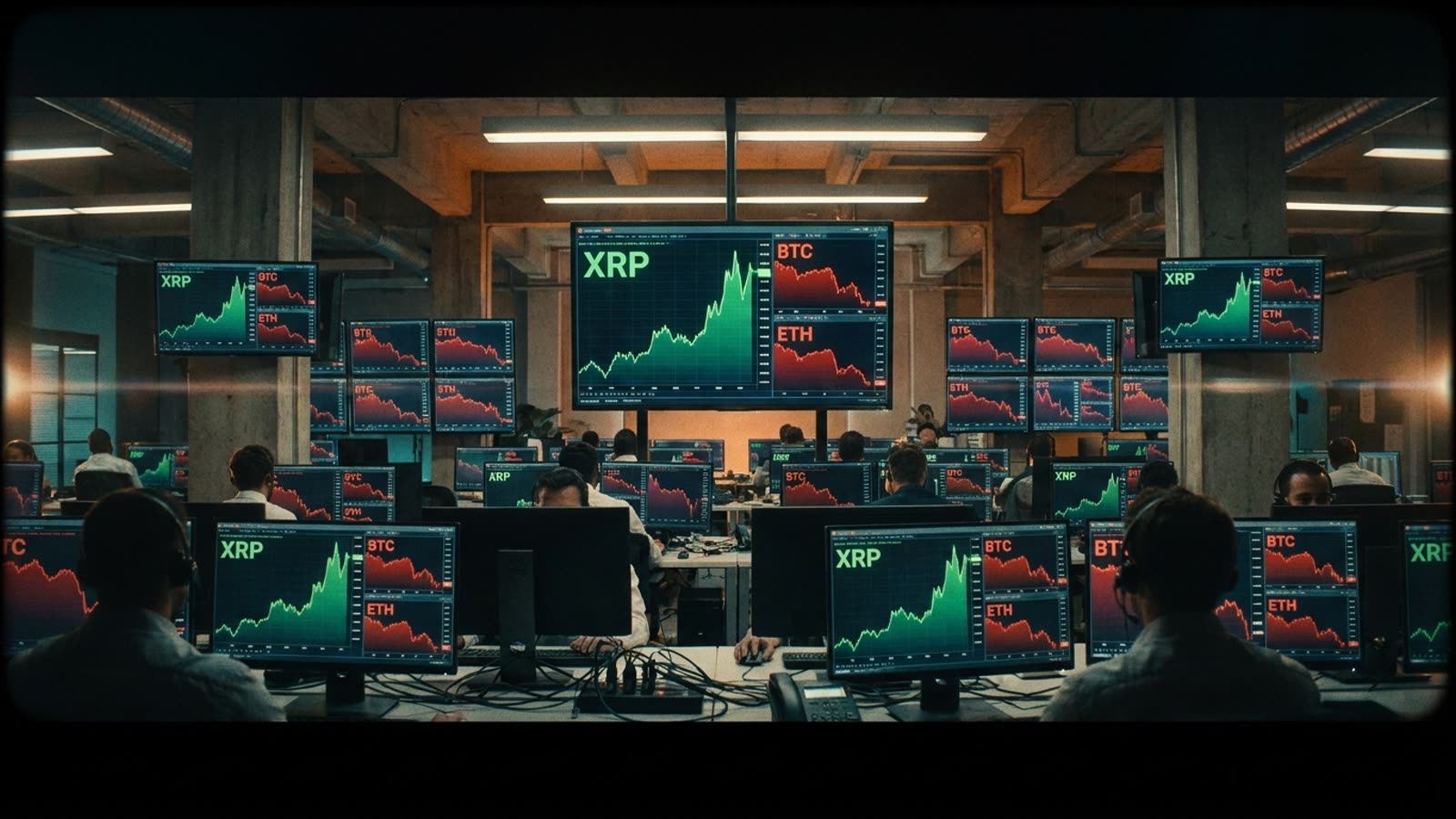
The divergence is now impossible to ignore. As American equities posted their ninth consecutive week of gains through late May, Bitcoin sat roughly where it started the month, Ethereum did worse, and the meme coins that once captured retail imagination barely twitched. The much-heralded institutional adoption via spot ETFs, which was supposed to permanently tether crypto to traditional risk appetite, appears to have done the opposite: it revealed that when stocks rally on earnings optimism and AI enthusiasm, the digital asset class has become an afterthought.
This is not a temporary blip. Net outflows from Bitcoin and Ethereum ETFs exceeded $2 billion in the final weeks of May, even as broader markets climbed. The same vehicles that drew billions in their first months of trading are now hemorrhaging capital. The narrative that ETFs would provide a permanent bid under crypto prices has collided with a simpler truth: institutional allocators treat these products as tactical trades, not strategic positions.
The correlation that wasn't
For years, crypto advocates argued their assets were uncorrelated to traditional markets—a portfolio diversifier for sophisticated investors. Then came 2022, when Bitcoin crashed alongside tech stocks, and the new pitch emerged: crypto is a high-beta risk asset that amplifies equity moves. Neither story holds in 2026. The S&P 500's rally has been driven by mega-cap tech earnings and optimism about AI productivity gains. Crypto, despite its supposed adjacency to the technology sector, captured none of that enthusiasm. The market is telling us something uncomfortable: digital assets may be neither a hedge nor a leveraged bet on growth. They might simply be their own idiosyncratic thing, driven by internal dynamics that institutional frameworks struggle to price.
XRP's strange exception
The one bright spot—XRP ETFs adding $35 million while Bitcoin and Ethereum bled—only deepens the puzzle. XRP's relative strength appears tied to Ripple's ongoing legal clarity and payment-network partnerships rather than macro factors. This suggests that in a maturing market, token-specific fundamentals are beginning to matter more than the "crypto as asset class" trade. The era of everything moving together may be ending, which is healthy for the ecosystem but complicating for allocators who wanted simple exposure.
Our take
The ETF era was supposed to legitimize crypto by bringing it into the regulated financial mainstream. It did that. What it also did was strip away the mystique. When Bitcoin trades in a Fidelity wrapper alongside bond funds and sector ETFs, it gets evaluated by the same cold calculus: risk-adjusted returns, momentum, relative value. On those metrics, crypto has been a poor performer in 2026. The true believers will say this is a buying opportunity. The realists will note that institutional capital is patient, disciplined, and entirely willing to wait for better entry points. The honeymoon is over. Now comes the marriage.