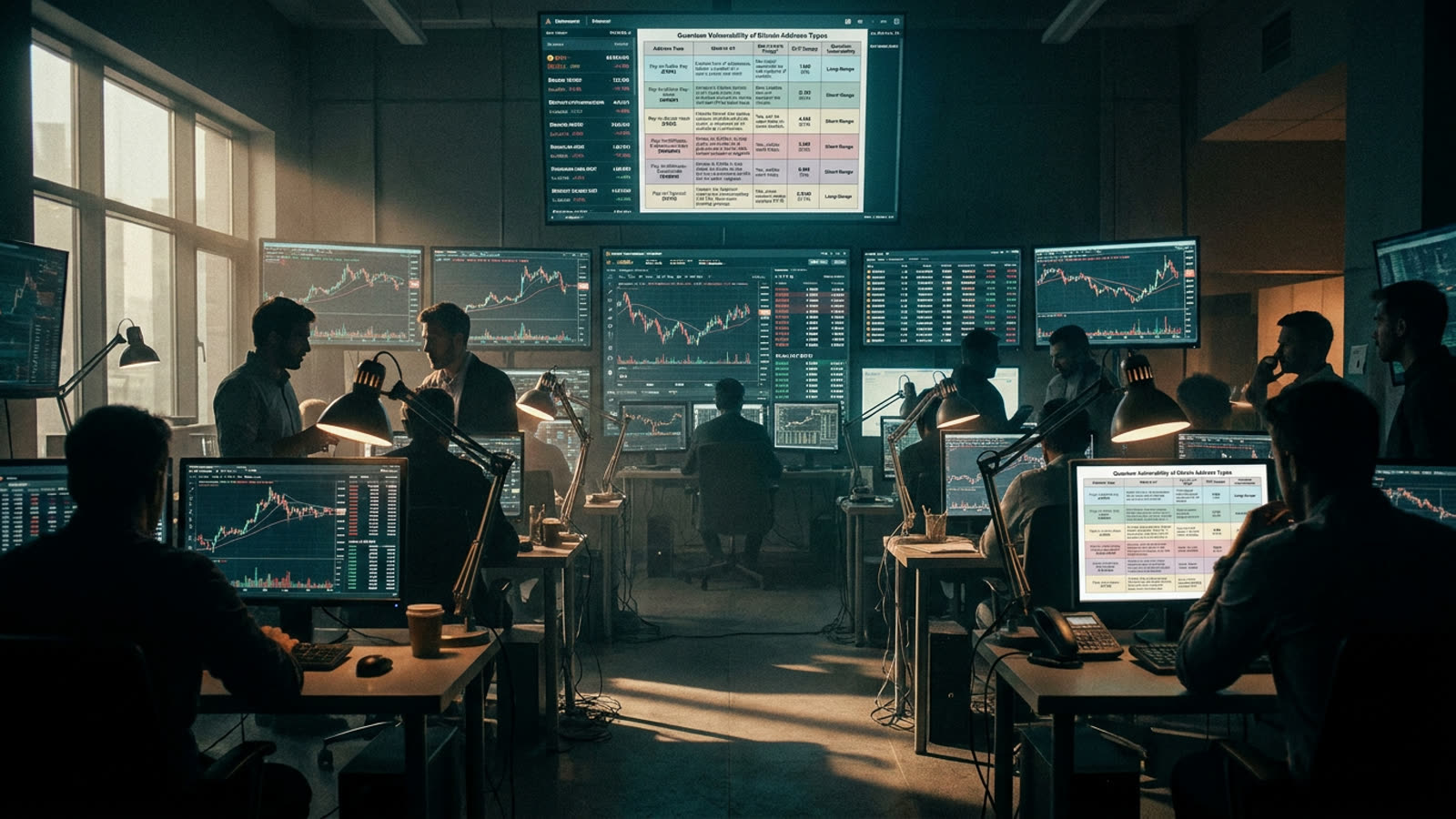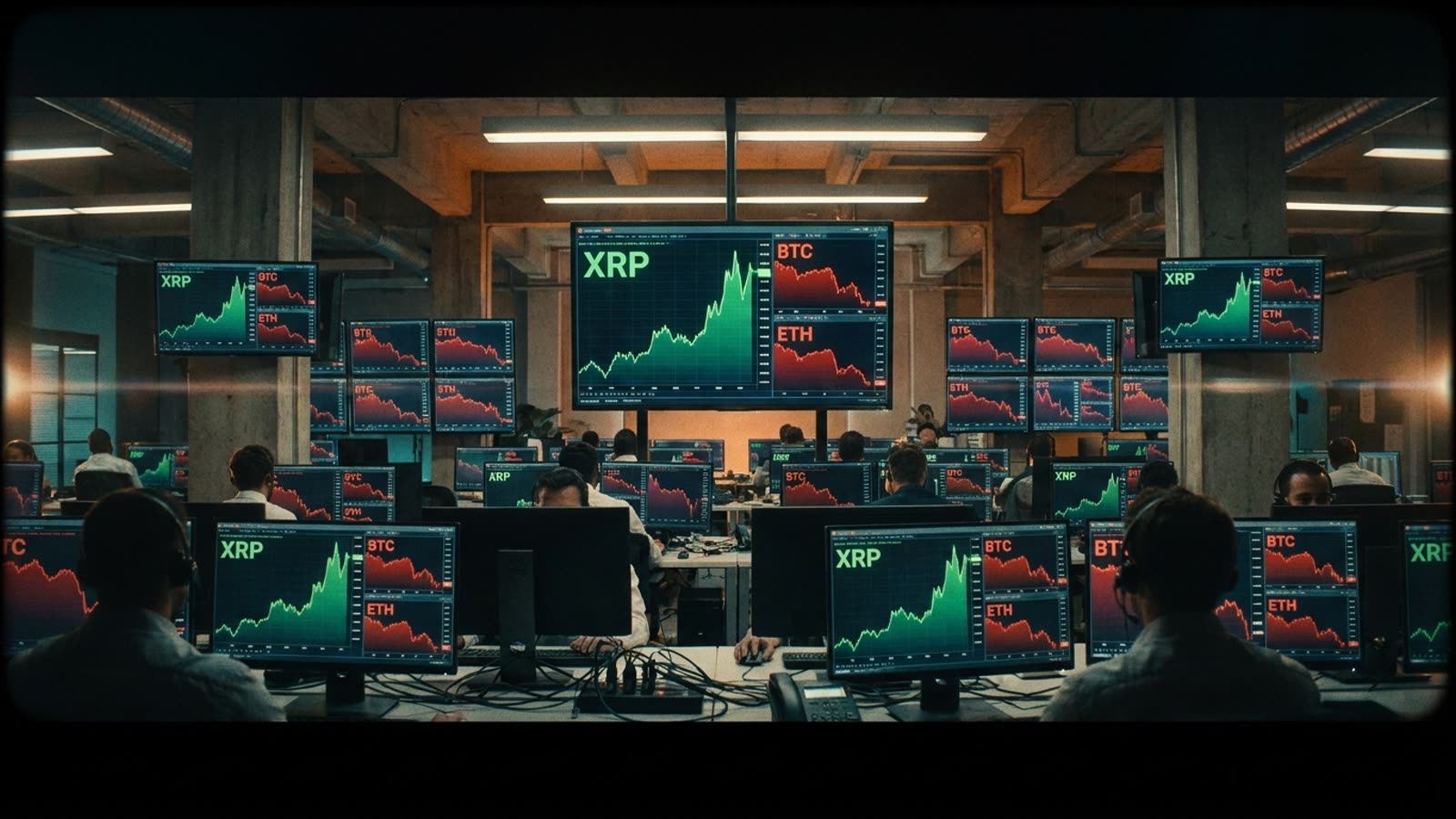
The American stock market has strung together nine consecutive weeks of gains, a streak that would normally pull every risk asset along for the ride. Bitcoin, Ethereum, XRP, and Dogecoin have refused the invitation. The divergence is not merely technical; it marks a structural shift in who owns crypto and why they own it.
For most of crypto's adolescence, a rising equity tape meant a rising coin tape, often with leverage. Meme coins—Dogecoin chief among them—were the purest expression of that correlation: assets with no cash flow, no protocol revenue, and no thesis beyond collective enthusiasm. When retail felt rich, Dogecoin pumped. When Elon Musk tweeted, Dogecoin pumped harder.
The ETF divergence
The current cycle is different. Bitcoin and Ether exchange-traded funds shed roughly two billion dollars in the final week of May even as the S&P 500 climbed. XRP funds, curiously, added thirty-five million—a rounding error in absolute terms but a signal that some institutional allocators see idiosyncratic value in Ripple's cross-border payments narrative. Dogecoin, which has no ETF wrapper and no institutional story, is left with only the retail bid. That bid is not showing up.
Part of the explanation is mechanical. The ETF complex now dominates marginal Bitcoin demand, and ETF flows are driven by wealth advisors rebalancing model portfolios, not by twenty-somethings on Reddit. When those advisors trim risk, Bitcoin sells off regardless of what equities do. Dogecoin has no such institutional plumbing; it rises or falls on pure animal spirits.
Retail's attention deficit
The deeper issue is that retail's attention has migrated. Sports betting apps, prediction markets, and AI-themed meme stocks now compete for the same dopamine. Robinhood's crypto volumes have stagnated even as its options business booms. The cohort that once treated Dogecoin as a lottery ticket has discovered that actual lottery tickets—and leveraged zero-days—offer faster feedback loops.
Meme coins are not dead; Dogecoin still commands a market capitalisation north of twenty billion dollars, and a single Musk tweet could reignite speculative frenzy overnight. But the asset class's inability to participate in a broad risk-on environment is a warning. When the tide rises and your boat stays beached, the hull may have a hole.
Our take
Dogecoin was always a mirror, reflecting retail's mood rather than any fundamental value. The mirror now shows an empty room. Institutional capital has found regulated wrappers for Bitcoin and Ether; retail capital has found shinier toys. What remains is a token sustained by nostalgia and the faint hope of another celebrity endorsement. That is not a thesis; it is a vigil.