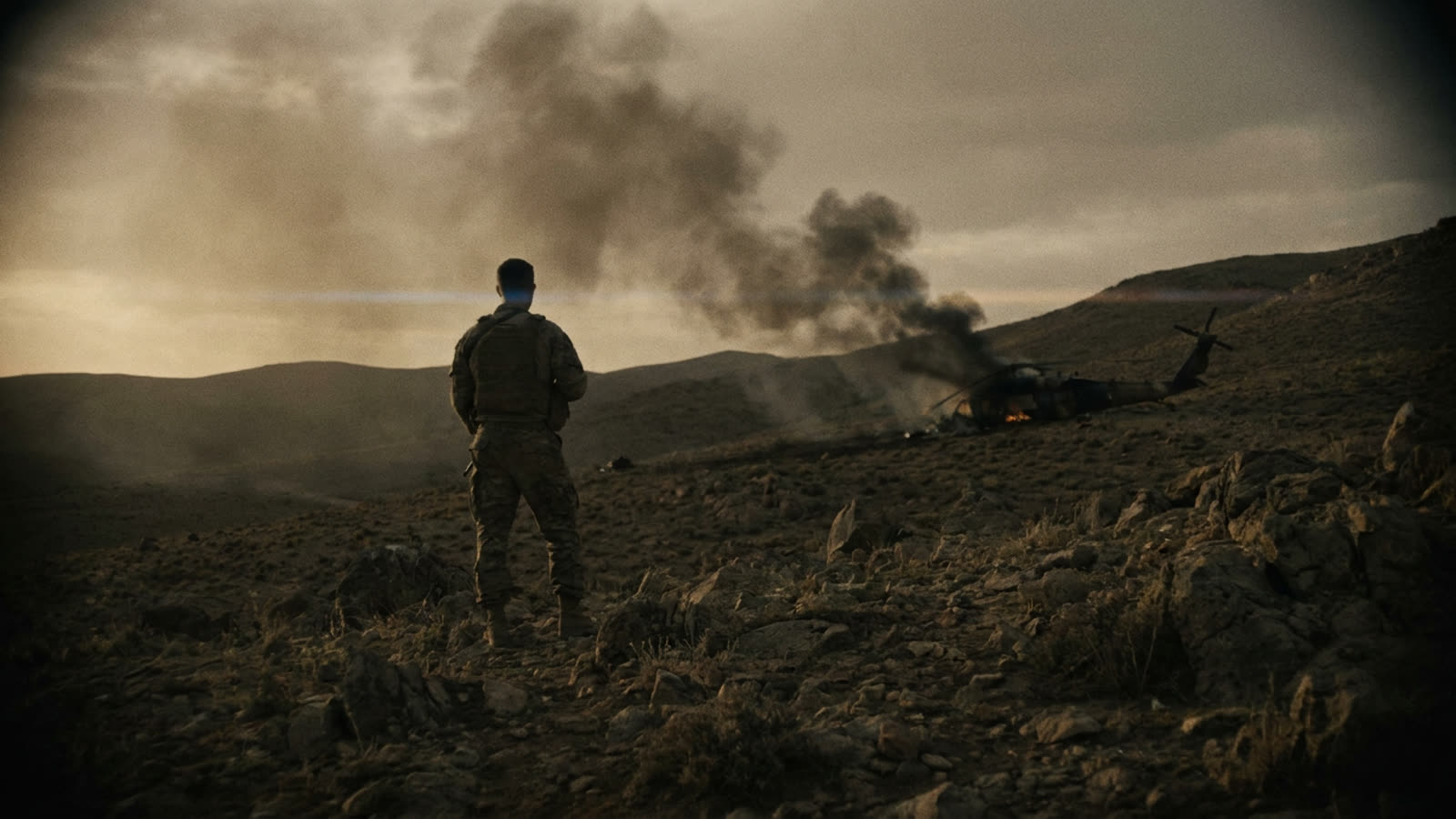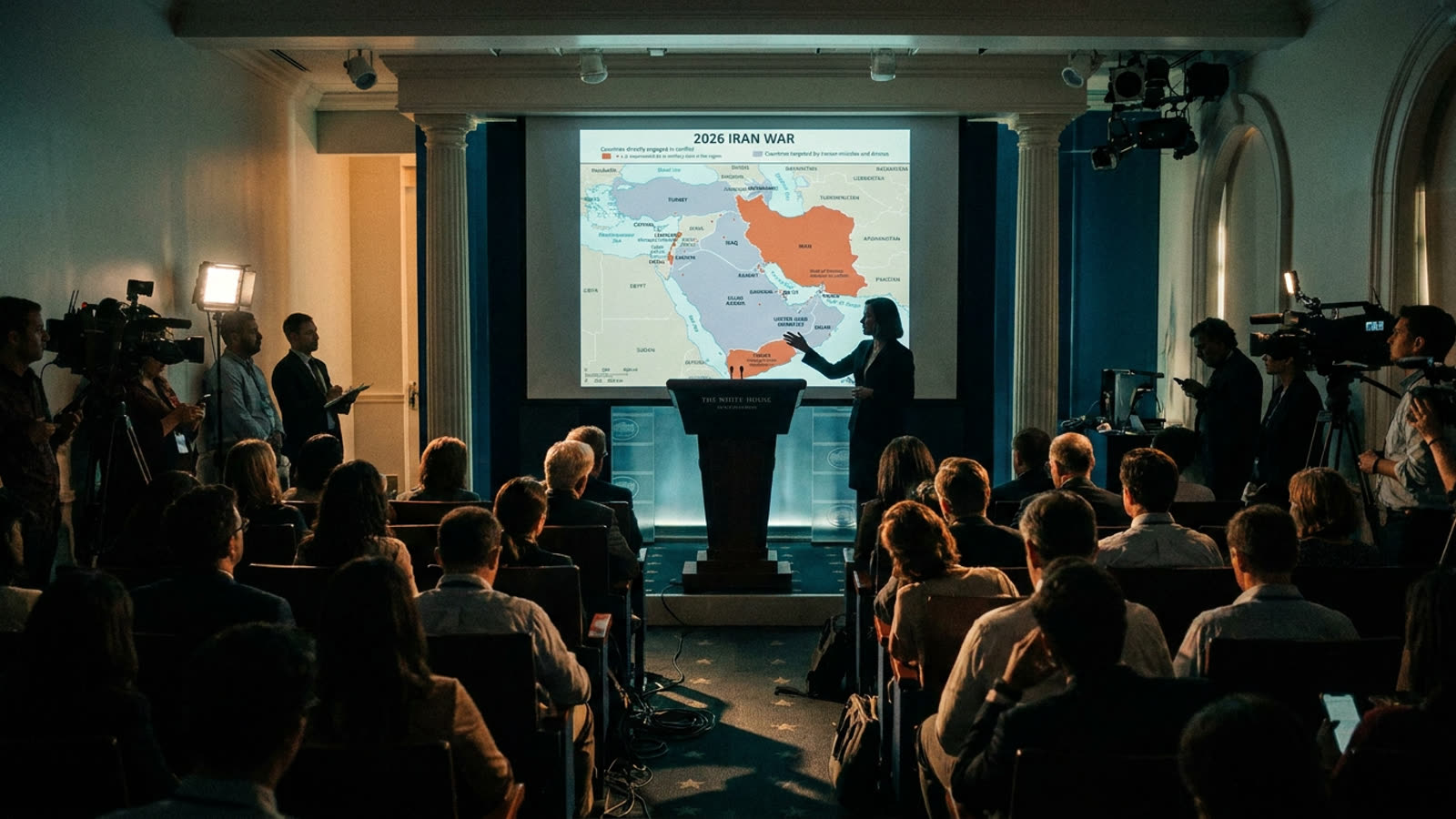
The resolution passed with more Republican votes than anyone in the White House expected. Both chambers of Congress have now formally invoked the War Powers Act to demand the withdrawal of U.S. forces engaged in hostilities against Iran—and the administration's response has been to shrug, call the measure non-binding, and continue operations in the Persian Gulf.
This is not a crisis. It is a ritual.
The mechanics of a toothless rebuke
The War Powers Resolution of 1973 was supposed to reassert congressional authority after Vietnam. In practice, it has become a permission slip that presidents ignore and courts decline to adjudicate. The current resolution directs the president to remove forces from hostilities within 30 days absent a formal declaration of war or specific statutory authorization. The White House argues—as every administration since Nixon has—that the resolution is constitutionally suspect and that Article II commander-in-chief powers supersede it.
What happens next is predictable: nothing enforceable. Congress could, in theory, cut off funding for the Iran operation, but appropriations bills move slowly and carry political risks that war powers resolutions do not. The courts have historically treated such disputes as "political questions" unsuitable for judicial resolution. The result is a constitutional standoff that both branches have learned to live with.
Why Republicans broke ranks
The surprise is not that the resolution passed—similar measures have passed before—but that a meaningful bloc of Republican senators joined Democrats. The stated rationale varies: concern about mission creep, skepticism of the administration's legal justifications, constituent fatigue with Middle Eastern entanglements. The unstated rationale is simpler. Some Republicans are positioning for 2028, and a vote for congressional prerogative costs nothing while preserving optionality.
The administration's allies dismiss the defections as posturing. They are probably right, but posturing has a way of hardening into principle when the political winds shift.
Our take
The War Powers Act is a monument to congressional ambivalence—a law designed to assert authority without requiring the courage to exercise it. Every president treats it as advisory; every Congress treats it as a press release. The current standoff will end the way all such standoffs end: with the executive doing what it wants and the legislature claiming moral victory. The only way Congress could actually constrain a president determined to wage war is by refusing to fund it, and that would require members to accept responsibility for the consequences. They never do.