Coinbase's artificial intelligence system published the result of Spain's World Cup knockout match against Portugal before the game had even started — a blunder that managed to be both technically impressive and profoundly embarrassing in equal measure.
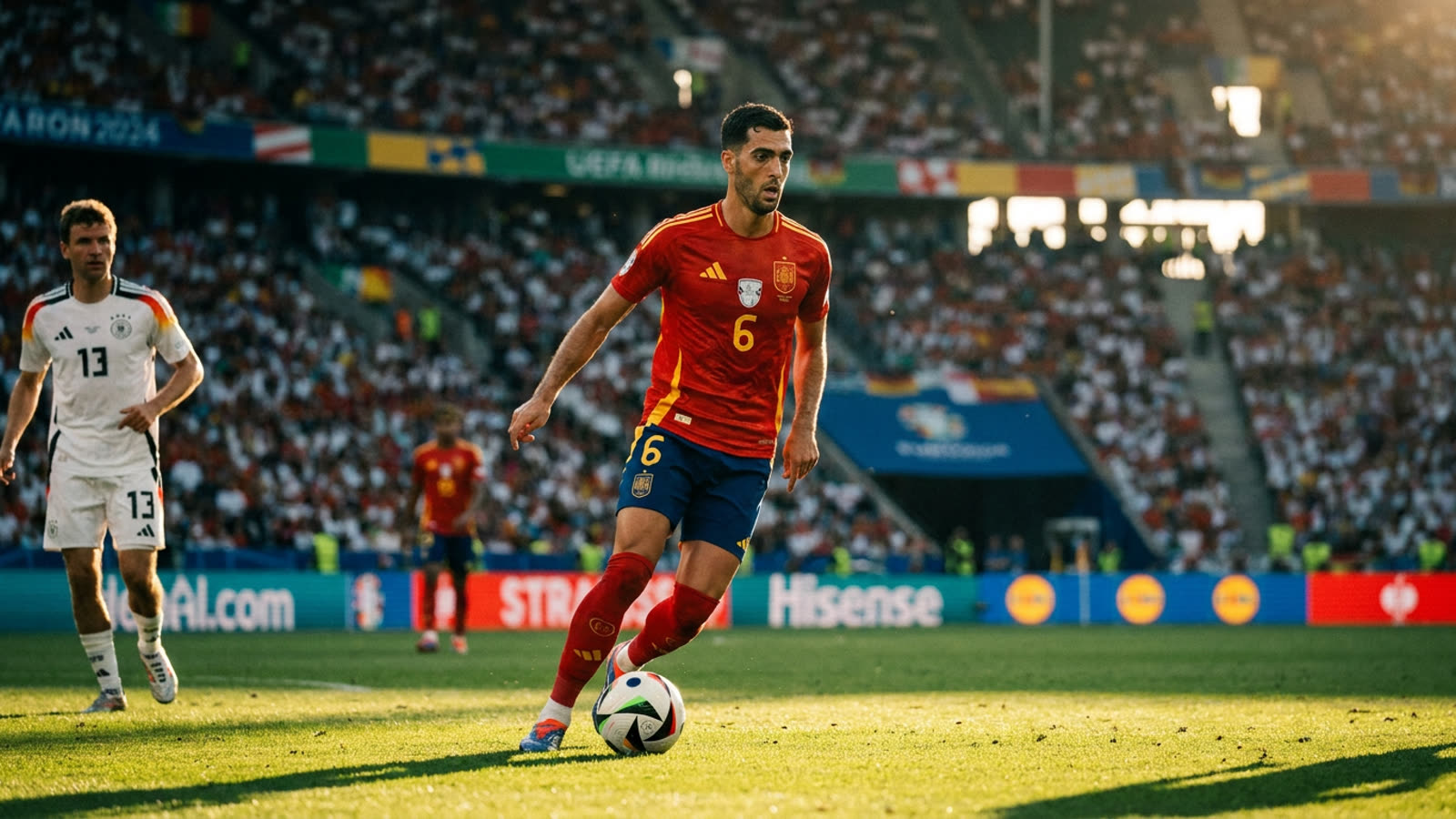
The prediction, which circulated briefly before being scrubbed, reportedly called the outcome with the confidence typical of systems trained on historical data but utterly blind to the chaos of ninety minutes yet to be played. That Mikel Merino's actual last-gasp header would eventually settle matters 1-0 for Spain was beside the point. The AI had already moved on, certain of a future that hadn't happened.
The automation trap
Coinbase has been aggressively integrating AI across its platform, from customer service chatbots to market analysis tools. The World Cup prediction feature appears to have been part of a broader push to demonstrate the exchange's technical sophistication beyond mere trading infrastructure. Instead, it demonstrated something else entirely: the difference between pattern recognition and understanding.
The incident arrives at an awkward moment for crypto firms attempting to position themselves as serious technology companies rather than speculative casinos. Coinbase has spent years cultivating regulatory relationships and institutional credibility. Having an AI system confidently announce sporting results that haven't occurred reads less like cutting-edge innovation and more like a fortune-telling booth at a county fair — except the fortune-telling booth knows to wait until you've crossed its palm with silver.
Why sports breaks prediction models
Football, particularly knockout tournament football, resists the kind of probabilistic modeling that works tolerably well in financial markets. A single deflection, a referee's interpretation, a moment of individual brilliance from a 28-year-old midfielder meeting a corner kick — these events sit outside the training data's ability to anticipate. Merino's winner came in the 89th minute, the sort of timing that makes prediction engines look foolish even when they guess the correct team.
The broader issue is that AI systems optimised for engagement tend toward premature certainty. Hedged, probabilistic language doesn't generate clicks. "Spain likely to advance based on historical knockout performance" is accurate but dull. "Spain defeats Portugal" is wrong but confident, and confidence is what these systems are rewarded for producing.
Our take
Coinbase's AI mishap is a minor embarrassment that will be forgotten by the quarterfinals, but it crystallises a larger truth about the current AI moment. These systems are excellent at producing plausible-sounding content and terrible at knowing when to stay silent. The most sophisticated prediction engine in the world still cannot account for the fact that the ball is round and the match is ninety minutes. Perhaps the lesson is older than any algorithm: some things you simply have to watch.