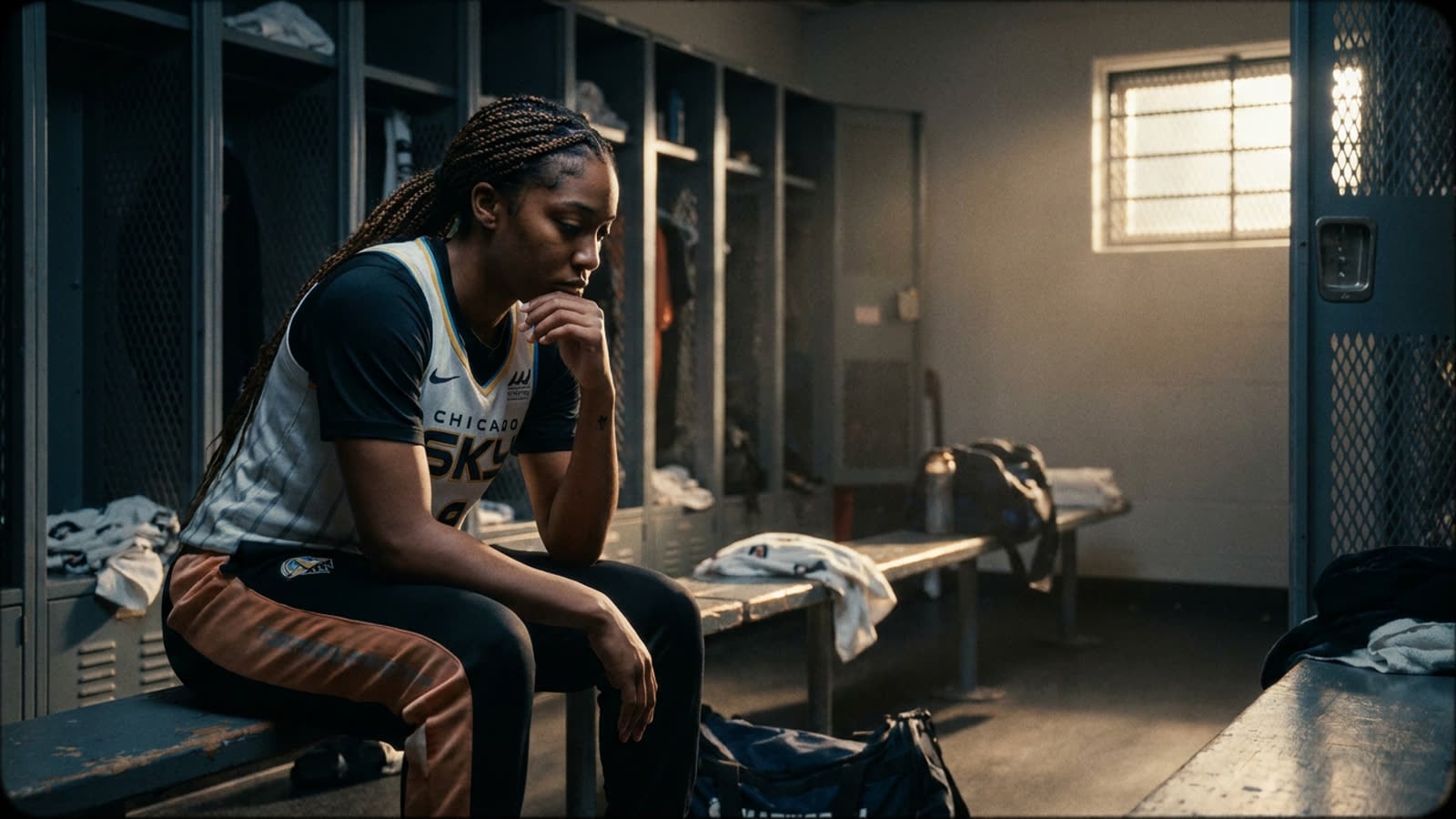
The Phoenix Mercury's Chennedy Thomas will sit out one game after delivering a shoulder check to Indiana Fever guard Caitlin Clark that sent the rookie sprawling during Wednesday night's contest. The league upgraded what officials initially called a common foul to a Flagrant 1 upon review, then added the suspension — a calibrated response that says everything about the WNBA's delicate position in the summer of 2026.
Thomas's hit was not subtle. Away from the ball, with Clark stationary, she lowered her shoulder and drove through the Fever guard with the enthusiasm of a linebacker finishing a blitz. The foul itself was unremarkable by the standards of playoff basketball physicality; the context made it radioactive. Clark is not merely the league's most discussed rookie — she is the reason casual fans know the WNBA exists at all, the player whose college career delivered ratings that dwarfed the professional league she joined.
The economics of protection
The WNBA's calculus here is brutally simple. Clark's presence has driven a documented surge in attendance, merchandise sales, and television viewership. The Fever's road games now sell out arenas that previously echoed. Sponsors who ignored women's basketball for decades are suddenly returning calls. If Clark gets injured — or worse, decides the physical punishment isn't worth the modest WNBA salary when overseas leagues pay multiples — the league's growth narrative collapses.
Yet the WNBA has spent years cultivating an identity as a league where physicality is celebrated, where players don't flop, where contact is absorbed rather than dramatized. Veteran players have bristled publicly at the suggestion that Clark deserves special treatment, noting that rookies have always earned their stripes through punishment. Thomas herself appeared unapologetic after the game, suggesting the foul was simply competitive basketball.
The suspension's message
One game is meaningful without being draconian. It signals that blindside hits away from the play cross a line, while stopping short of the multi-game ban that would have sparked accusations of favoritism. The league is threading a needle: protecting its most valuable asset without appearing to create a two-tiered enforcement system.
The broader question is whether this incident reflects genuine animosity toward Clark or simply the standard hazing that accompanies any hyped rookie. The answer is probably both. Some veterans resent the attention lavished on a player who hasn't won anything professionally. Others are simply playing the way they've always played, against a rookie who happens to have cameras following her every stumble.
Our take
The WNBA made the right call, and it shouldn't have been difficult. Blindside contact away from the ball isn't physicality — it's cheap-shotting, and every league penalizes it. The hand-wringing about whether Clark deserves protection misses the point: every player deserves protection from hits that have nothing to do with basketball. That Clark happens to be the league's golden goose doesn't make the suspension favoritism; it makes the original non-call embarrassing. The WNBA's growth depends on stars staying healthy and watchable. Thomas can serve her game and return to playing hard. Everyone moves on — until the next time someone decides to test exactly where the new line sits.