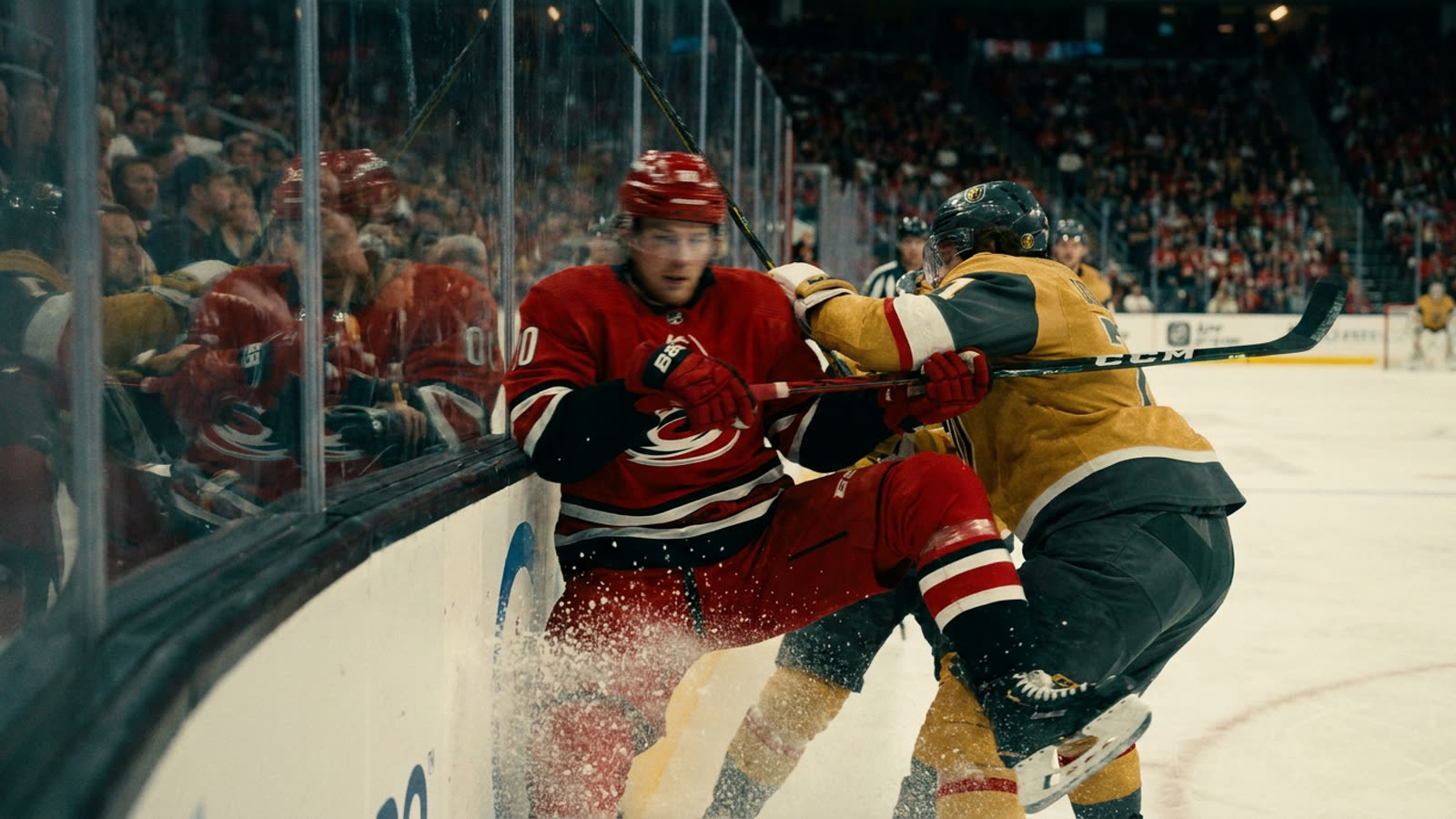
The Golden Knights had every reason to believe they were in control. A Game 1 victory at home, a two-goal lead midway through the second period of Game 2, and a Hurricanes team that looked increasingly frantic in its own zone. Then Carolina remembered what got them here in the first place: relentless forechecking, opportunistic finishing, and the unshakeable belief that no deficit is permanent.
Sebastian Aho's overtime winner—a wrist shot from the left circle that beat Adin Hill glove-side—capped a 4-3 comeback that will be remembered as either the moment Carolina seized this series or the warning shot Vegas failed to heed. The Hurricanes scored three unanswered goals in the final twenty-eight minutes of regulation and overtime, transforming what looked like a comfortable Vegas cushion into a white-knuckle affair.
The tactical shift that changed everything
Carolina head coach Rod Brind'Amour made a subtle but crucial adjustment after the second intermission. Rather than continuing to chase Vegas's speed through the neutral zone, the Hurricanes collapsed into a tighter defensive structure and waited for turnovers. The Golden Knights, perhaps sensing an easy close, grew impatient. Their transition game—the engine of their offense all postseason—stalled against Carolina's clogged passing lanes.
Andrei Svechnikov's tying goal with four minutes remaining in regulation came directly from this approach: a forced Vegas turnover at the blue line, a quick outlet pass, and a two-on-one that Svechnikov finished with characteristic calm. The building fell silent. The Hurricanes, for the first time all night, looked like the team that swept through the Eastern Conference.
What this means for the series
Vegas now faces a genuine problem. Home-ice advantage, earned through a dominant regular season, has evaporated. Games 3 and 4 shift to Raleigh, where Carolina's crowd has been historically hostile to visiting teams—the decibel levels at PNC Arena during the conference finals were among the highest recorded in the playoffs. The Golden Knights will need to win at least once on the road to have any realistic path to the Cup.
More concerning for Vegas is the psychological dimension. Teams that blow multi-goal leads in playoff overtime games often carry that weight into subsequent contests. The Golden Knights' locker room will spend the next two days answering questions about what went wrong rather than preparing for what comes next.
Our take
This is exactly what the Stanley Cup Final should be: two evenly matched teams refusing to concede an inch, with the outcome hinging on execution in the margins. Vegas remains the more talented roster on paper, but Carolina has something more valuable at this stage of the postseason—a collective identity forged through years of playoff disappointment. The Hurricanes have been here before, have lost series they should have won, and have learned the hard lessons that only elimination can teach. Game 3 will tell us whether Vegas can match that institutional memory or whether the Golden Knights are simply another talented team that peaked too early.