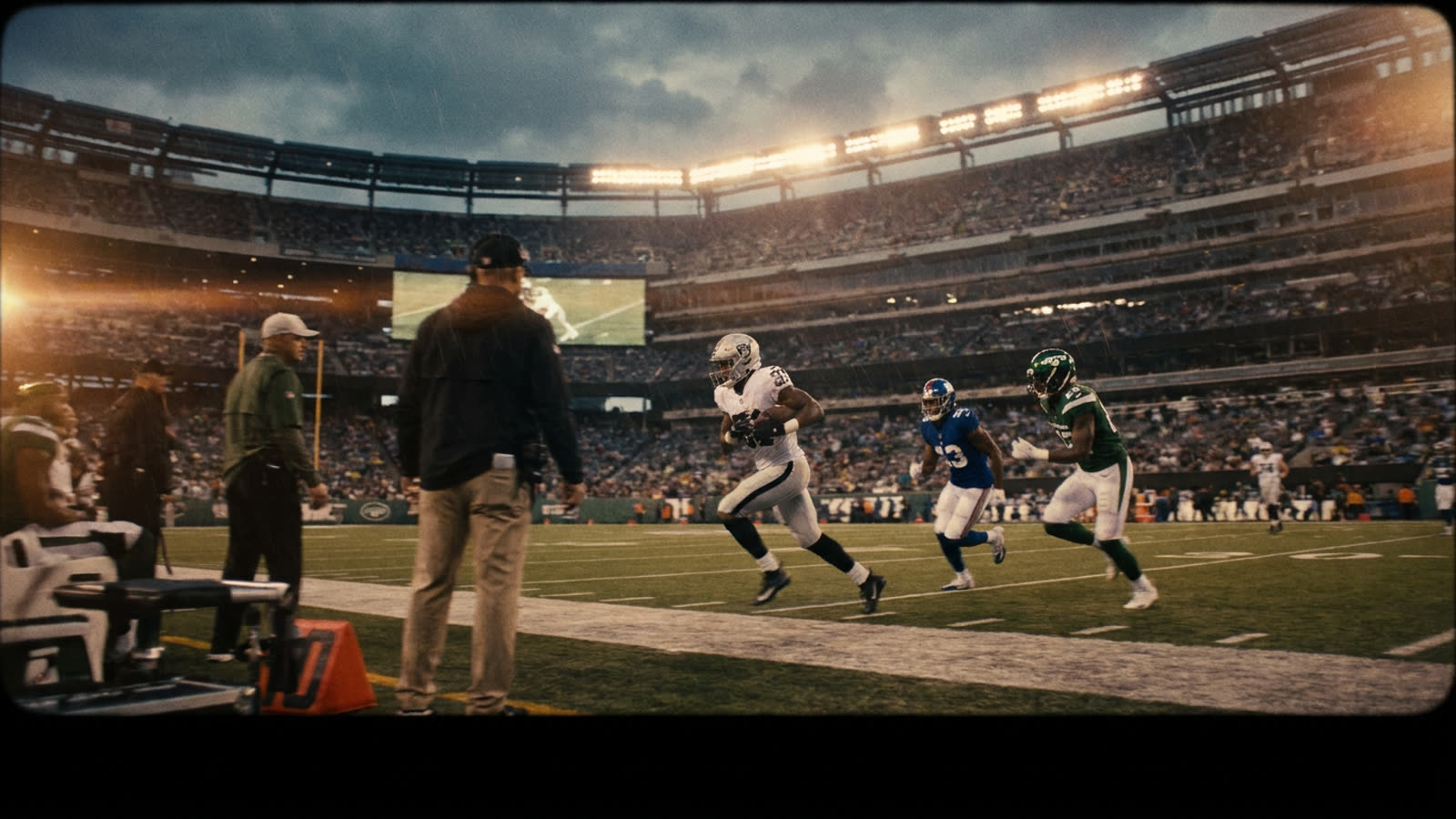
The NFL trade deadline falls on November 3rd, which means we are roughly 150 days from the most consequential 48 hours in professional football's calendar year. That distance would seem to render any deadline analysis premature to the point of absurdity. And yet here we are, in early June, with front offices already making moves that telegraph their November intentions with surprising clarity.
This is the new reality of NFL roster construction. The old model—draft in April, sign undrafted free agents in May, cut down to 53 in September, and maybe make one or two panic trades in October—has given way to something more fluid and strategic. General managers now think in terms of asset accumulation and cap flexibility twelve months in advance. The deadline isn't an event; it's a destination that shapes decisions made in the dead of summer.
The obvious sellers
Several franchises have already signaled, through inaction or deliberate roster churn, that they view 2026 as a bridge year. The Panthers, still searching for competence at quarterback, have veterans on expiring deals who could fetch Day 2 picks from contenders. The Patriots, mid-rebuild under their new regime, possess defensive talent that exceeds their current competitive window. And the Giants, perpetually caught between ambition and reality, may finally accept that certain aging contracts need to be moved rather than extended.
The calculus for these teams is straightforward: convert depreciating assets into draft capital before they walk for nothing in March. The question is whether they can find trade partners willing to pay fair value for players who come with salary obligations.
The stealth buyers
More interesting are the teams that appear set but possess the cap space and draft ammunition to make aggressive November moves. The Lions, despite their recent success, have been quietly accumulating future picks and maintaining financial flexibility. The Ravens, perpetually one piece away from a championship, have shown willingness to make bold in-season acquisitions. And the Bills, with Josh Allen's window still open, cannot afford to stand pat if a difference-making player becomes available.
These franchises understand that the deadline has become a genuine marketplace rather than a desperation bazaar. The stigma of trading away players mid-season has evaporated; the stigma of failing to maximize your competitive window has not.
Our take
The NFL's transformation into a year-round transaction league reflects broader changes in how professional sports organizations think about roster construction. The deadline is no longer a fire sale for struggling teams—it's a strategic inflection point that rewards preparation and punishes rigidity. The franchises already positioning themselves in June will be the ones making the moves that matter in November. Everyone else will be watching.