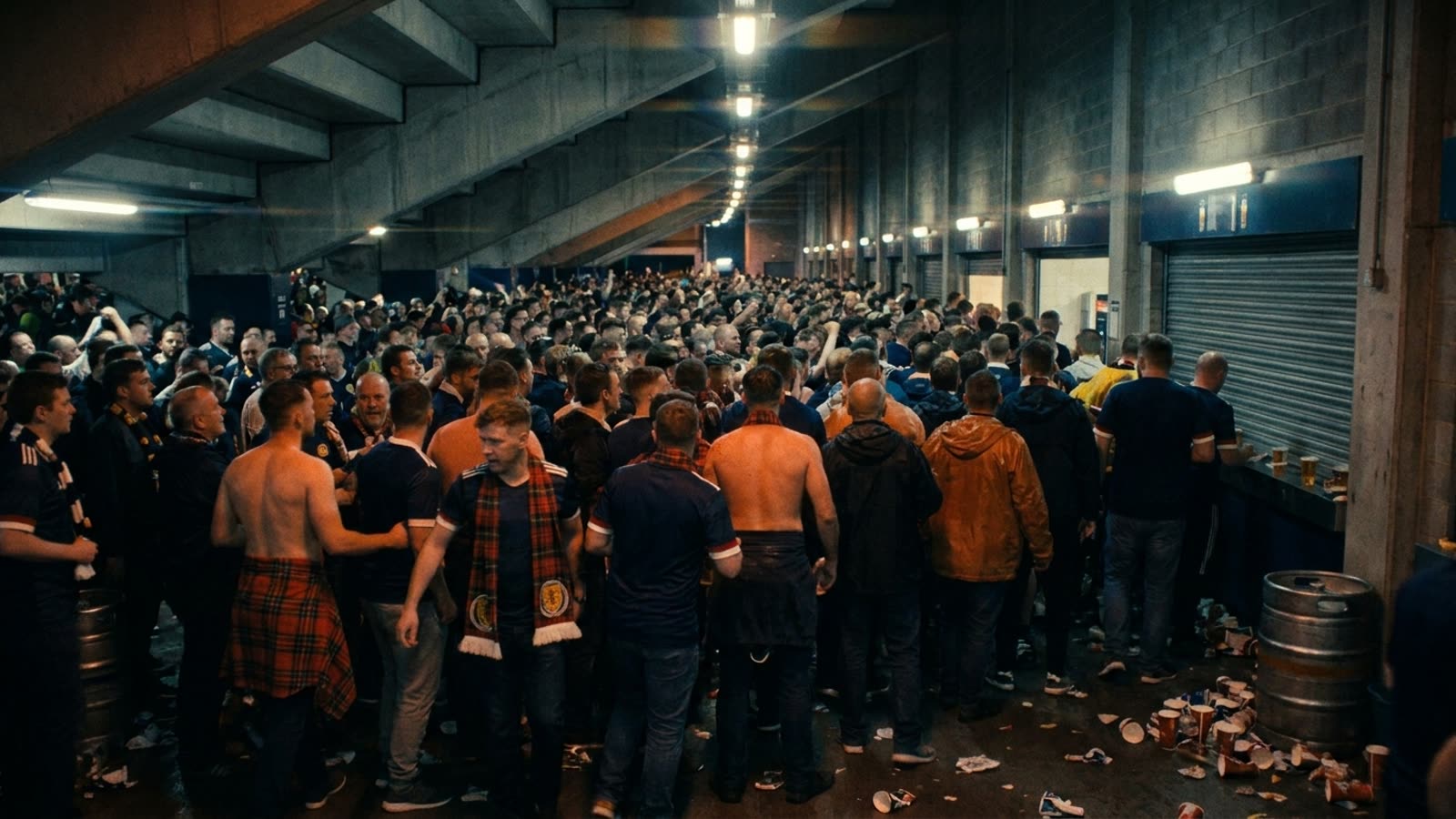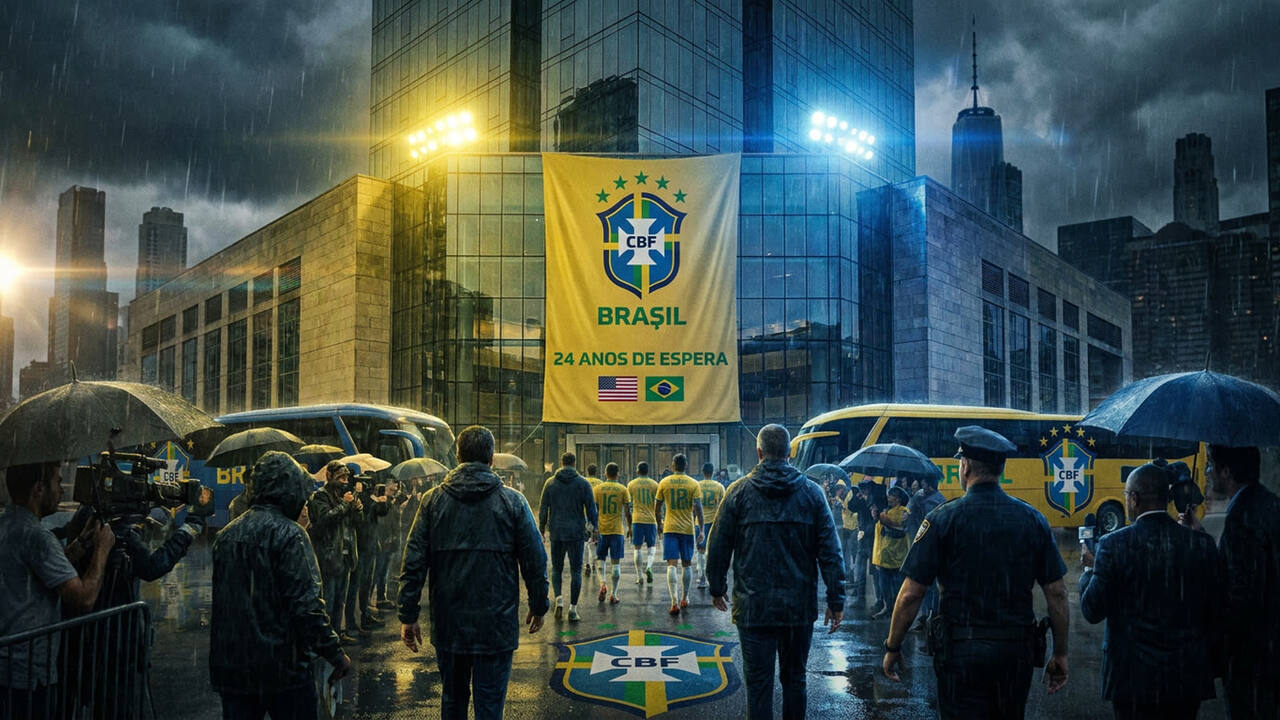
The Brazilian national team touched down in New York this week to find what they always find: a city willing to turn yellow and green at the mere suggestion of A Seleção. Fans flooded Manhattan. The energy was familiar. What's different is the math.
It has been 24 years since Brazil won a World Cup — the longest drought in the nation's football history, stretching back to the pre-Pelé era when the tournament was still a curiosity rather than a religion. For a country that treats World Cup titles as a birthright, this is not a statistic. It is a national emergency.
The generational clock
Brazil's current squad represents the last realistic window for a cohort that was supposed to deliver multiple trophies. Neymar, now 34, is entering what is almost certainly his final World Cup as a primary contributor. Vinícius Júnior and Rodrygo are in their mid-twenties — prime years, but no longer the prodigies who could afford to lose a tournament and try again. The 2022 quarterfinal exit to Croatia on penalties was supposed to be a learning experience. In 2026, there are no more lessons to learn, only a final exam.
The pressure is compounded by the tournament's location. Playing in North America means favorable time zones for Brazilian television audiences and a diaspora large enough to fill stadiums. It also means no excuses about travel fatigue or unfamiliar conditions. Brazil will have home-field energy without home-field responsibility — a combination that should be liberating but instead feels like a trap. If they fail here, there is nowhere to hide.
The tactical question
Manager Dorival Júnior inherited a squad that has oscillated between tactical identities for a decade. The jogo bonito romanticism of previous generations has given way to a more pragmatic approach, but Brazil has struggled to commit fully to either philosophy. They are too talented to park the bus, too traumatized by the 7-1 to play with abandon. The result is a team that often looks uncertain of its own identity, capable of moments of brilliance followed by stretches of anxiety.
The opening group stage matches will reveal whether Dorival has solved this riddle. Brazil's group is manageable on paper, but so was the path to the 2022 quarterfinals. The issue has never been talent. The issue is that Brazilian football has developed a psychological weight that no amount of skill can simply dribble past.
Our take
Brazil remains the most talented squad in the tournament, which is precisely why their drought feels so inexplicable and so heavy. Twenty-four years ago, Ronaldo exorcised his own demons with a final performance for the ages. This Brazilian team needs someone to do the same — not just to win matches, but to convince the players themselves that they are allowed to. The fans flooding New York believe. The question is whether the team does.