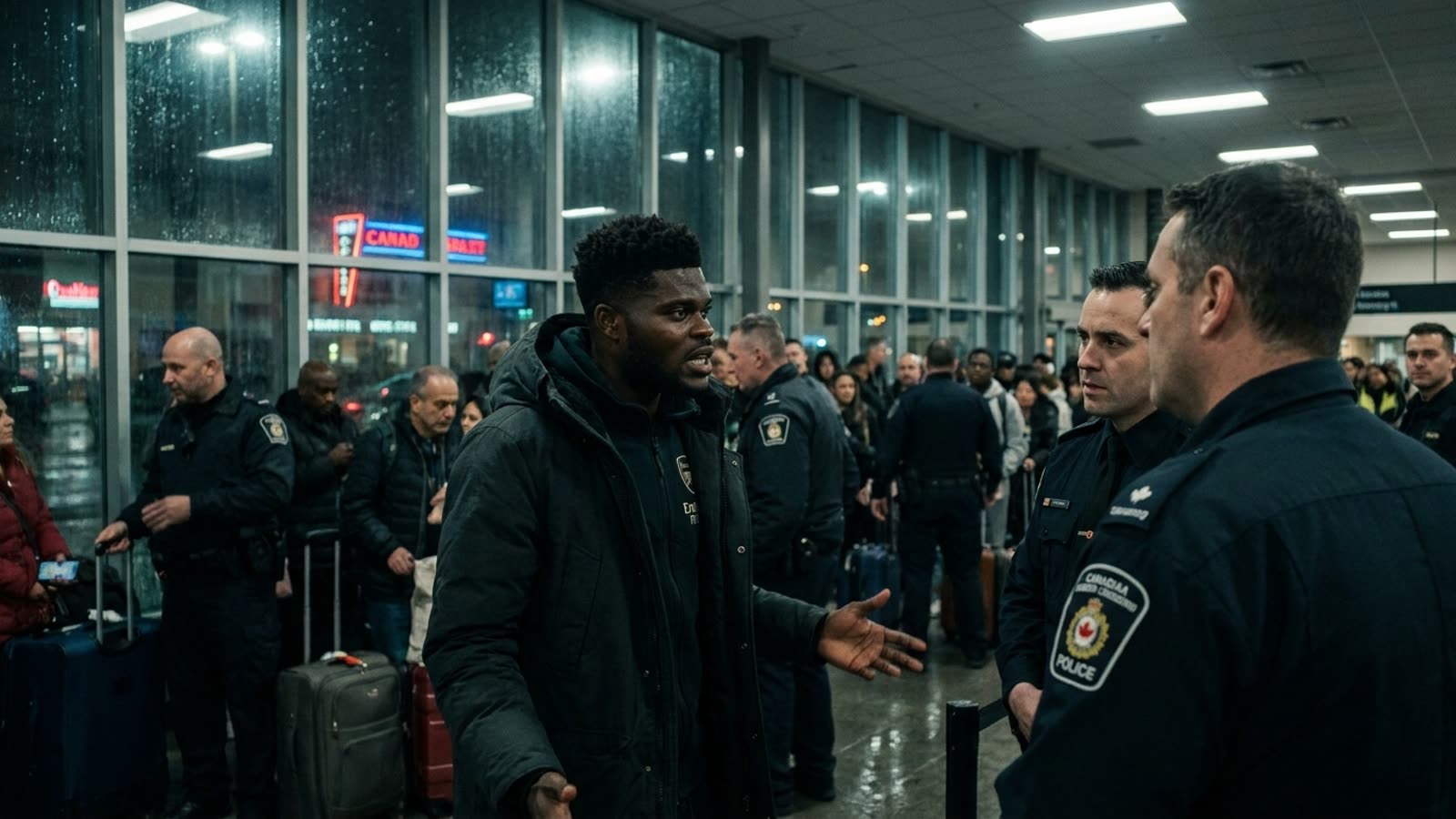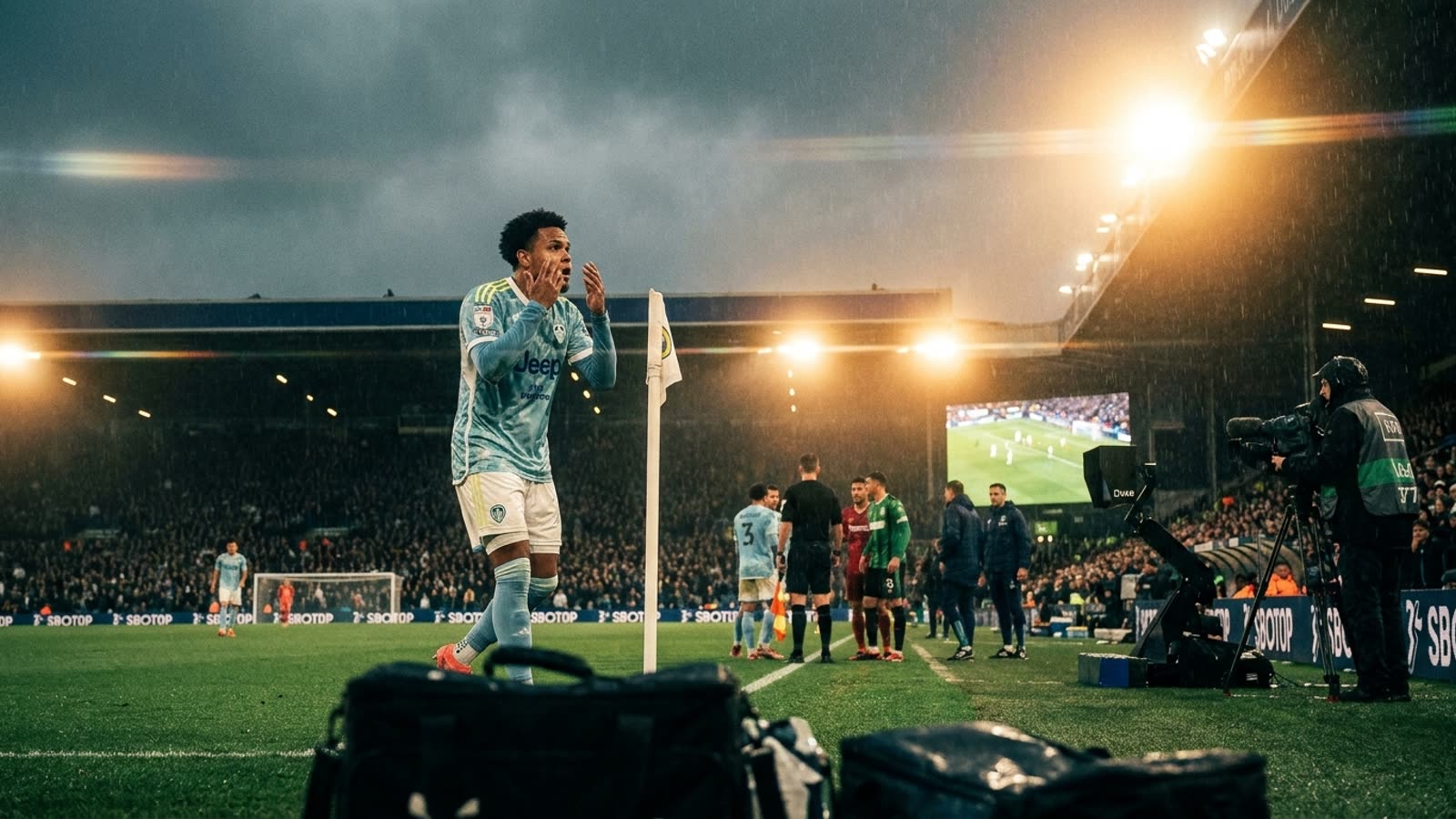
For roughly ninety seconds during the United States' 4-0 demolition of Paraguay on Thursday night, the wrong American was about to be sent off. The referee had brandished a yellow card at midfielder Weston McKennie for a cynical foul near midfield — his second caution of the match, which would have meant an automatic red and suspension. There was just one problem: McKennie hadn't committed the foul. Teammate Tyler Adams had.
What followed was one of the more peculiar interventions in World Cup history. The Video Assistant Referee initiated a review not for the foul itself, but for "mistaken identity" — a protocol that allows officials to correct the fundamental error of punishing the wrong human being. After a brief consultation at the pitch-side monitor, the referee rescinded McKennie's yellow and issued it to Adams instead. The American midfield remained intact. The match resumed as if nothing had happened.
The rule nobody talks about
Mistaken identity reviews exist because referees, even excellent ones, occasionally book the wrong player in the chaos of professional football. Before VAR, these errors were simply absorbed into the game's folklore — a player sent off for someone else's tackle, a suspension served for a phantom offense. The protocol was introduced alongside VAR in 2018 but rarely makes headlines because it corrects errors so cleanly that they vanish from the match narrative.
The threshold for intervention is deliberately narrow. VAR cannot review whether a foul deserved a yellow card in the first place; that remains the referee's subjective judgment. It can only intervene when the wrong player has been identified, when a straight red card is warranted, when a penalty decision is clearly incorrect, or when a goal has been scored illegally. Mistaken identity falls into a special category: a factual error so obvious that technology should correct it, yet so rare that most fans have never seen it invoked.
Why it mattered Thursday
McKennie's near-dismissal would have been consequential beyond the Paraguay match. A red card from two yellows triggers an automatic one-match suspension, meaning the Juventus midfielder would have missed the USA's second group-stage game against a presumably tougher opponent. The Americans are heavy favorites to advance from Group A, but losing a starting central midfielder to an officiating error would have introduced unnecessary chaos into a tournament the host nation has spent years preparing to win.
Adams, who actually committed the foul, was already on a yellow card himself — but it was his first of the match, so the correction merely gave him a caution rather than an ejection. The American coaching staff, which had been preparing to reorganize its midfield, instead watched the crisis evaporate in real time.
Our take
VAR remains football's most polarizing innovation, blamed for killing spontaneity and extending matches into bureaucratic slogs. But the mistaken identity protocol represents the technology at its best: invisible when working correctly, intervening only when a clear factual error would otherwise produce an unjust outcome. McKennie will start the next match because a camera proved he wasn't the one who fouled a Paraguayan. That's not the death of football's soul. That's just getting it right.