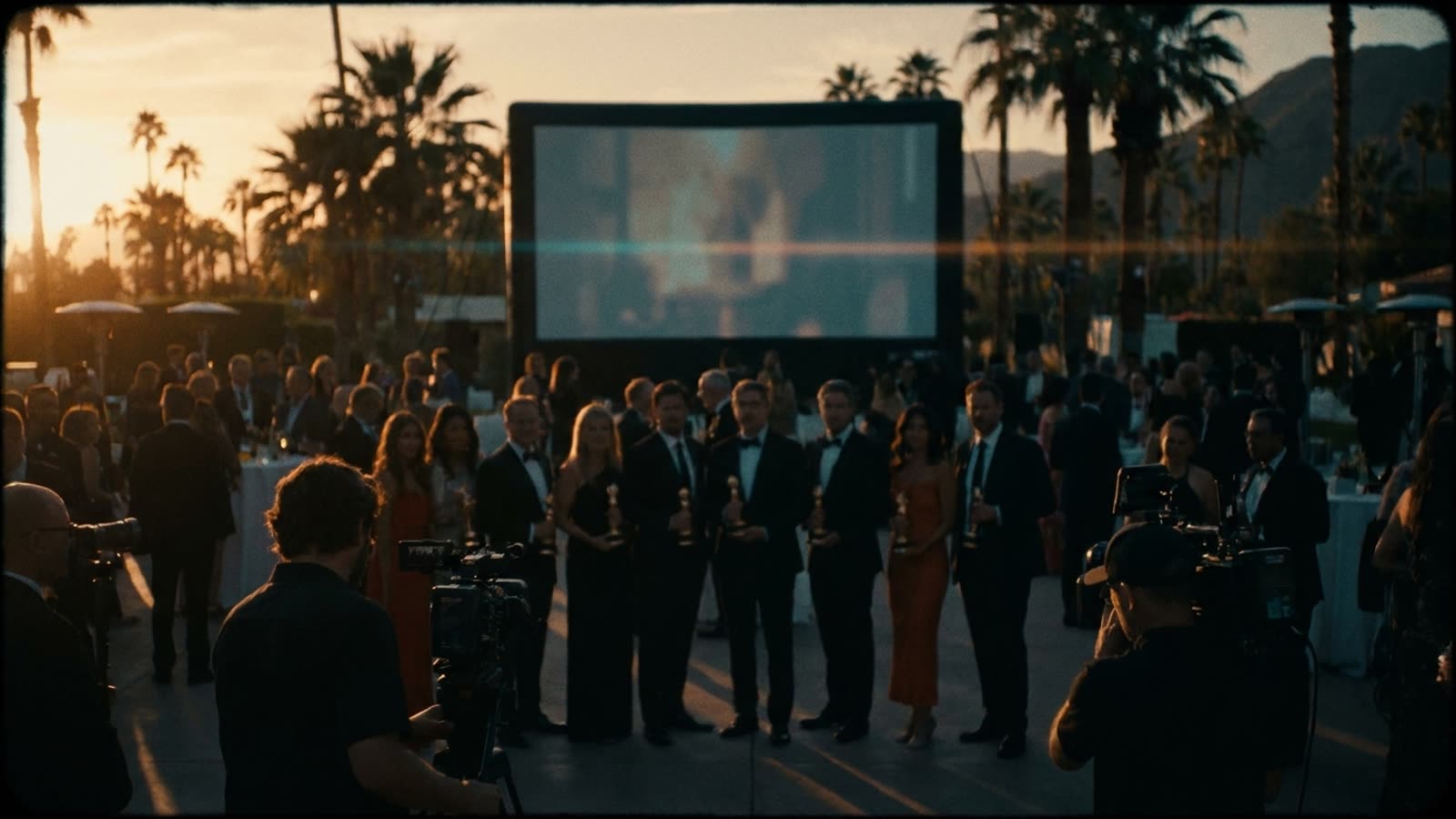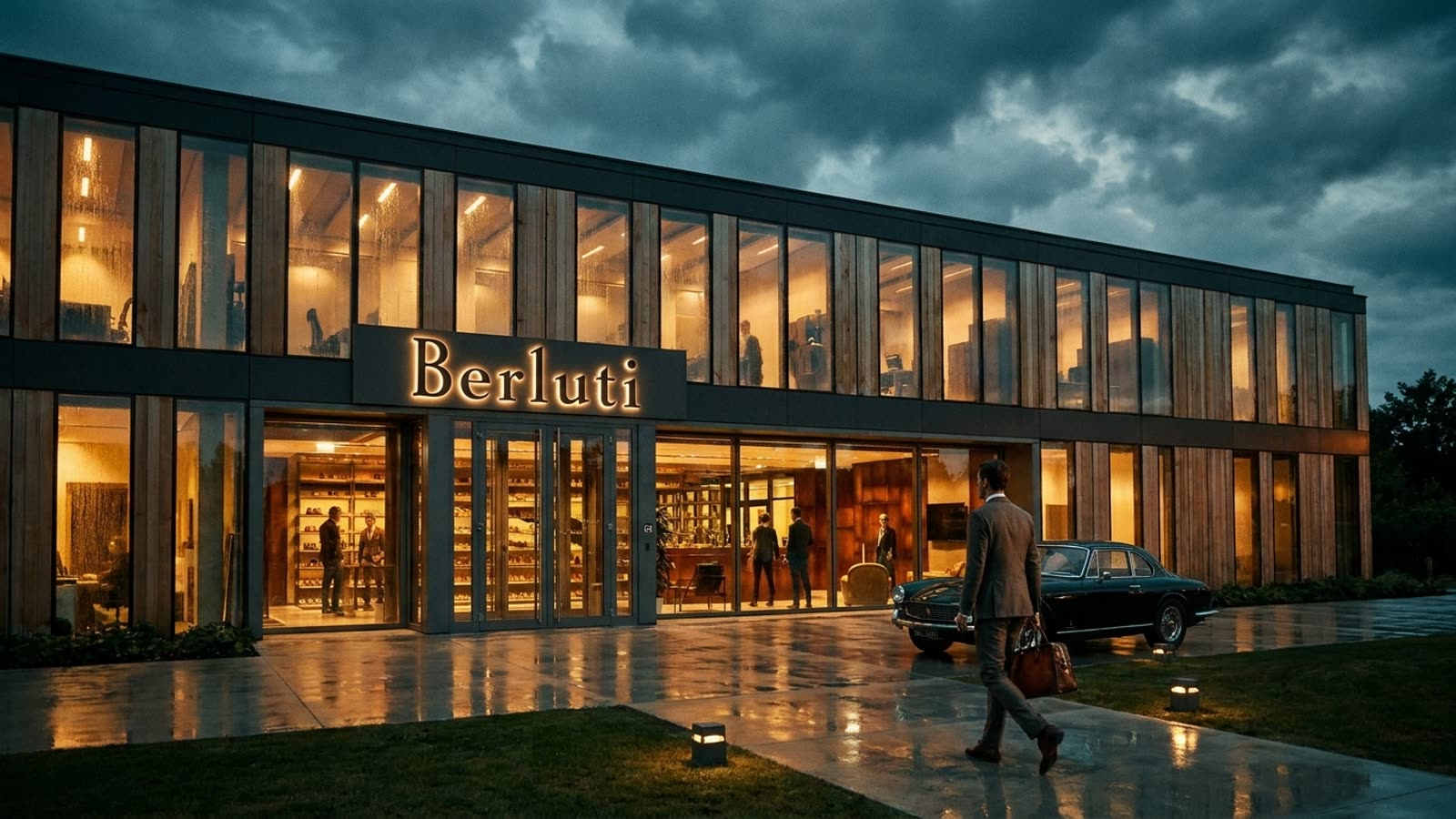
While most luxury brands remain locked in an exhausting arms race of new stores, new markets, and new celebrity ambassadors, Berluti is quietly pursuing a different thesis entirely. Under CEO Jean-Marc Mansvelt, the 129-year-old Parisian house is reinventing itself not as a retailer but as a members' club — a bet that in an era of algorithmic abundance, true luxury means belonging to something exclusive.
The strategy represents a fascinating inversion of the playbook that has dominated high fashion for two decades. Where competitors measure success in square footage and Instagram impressions, Berluti is measuring it in intimacy.
The anti-expansion thesis
Mansvelt's approach acknowledges an uncomfortable truth that few luxury executives will say aloud: the industry has a dilution problem. When everyone carries the same logo tote and wears the same sneaker collaboration, exclusivity becomes a marketing fiction rather than a lived experience. Berluti's answer is to make the brand experience genuinely scarce — not through artificial supply constraints on products, but through curated access to spaces, craftsmen, and fellow clients.
The members' club model borrows from institutions like Soho House and the Battery, but applies the framework to commerce rather than co-working. Private ateliers, invitation-only events, and bespoke services become the core offering; the shoes and leather goods are almost incidental, the physical residue of a relationship rather than the relationship itself.
Why LVMH might let this experiment run
Berluti has always occupied an unusual position within the LVMH empire. It lacks the scale of Louis Vuitton or the cultural heat of Dior, but it possesses something arguably more valuable: credibility with a clientele that actively avoids anything too popular. For Bernard Arnault, Berluti serves as a laboratory — a place to test strategies that would be too risky for billion-euro brands but might yield insights applicable elsewhere.
The community-over-expansion model also hedges against the broader slowdown in luxury spending. When customers feel like members rather than transactions, they prove more resilient during downturns. They are buying identity, not inventory.
Our take
Mansvelt is making a sophisticated wager that the next decade of luxury will reward depth over breadth. In a world where fast fashion can replicate any aesthetic within weeks and social media flattens taste into consensus, the only defensible moat is genuine belonging. Whether Berluti can scale intimacy without destroying it remains the open question — but the attempt itself is more intellectually honest than most of what passes for luxury strategy today.